
Throughout human history, the concept of work, career and profession has undergone countless transformations. You do not have to go far back in time to find trades that were once viable career options and are now basically extinct: telephone operator, typist, radio actor, movie theater usher. The list is huge and, although many do not realize it, it keeps growing.
Abroad, there are even those who say that most of the children and young people in school today will work in jobs that do not yet exist, such as AI Prompt Engineer and Smart City Designer.
When we come across this kind of forecast, a question commonly arises in our minds: how do we prepare for that future that is so distant and yet so near?
There is only one answer: giving today’s young people access to robust technical and academic knowledge that gives them the ability to adapt to whatever appears on their path. However, none of this can be forced. Young people must be driven by passion as they pursue their goals. And do you know what can be a bridge to that? Yes, video games.
Contents
- Video games are a source of fun and also of soft skills
- You learn by playing, too
- Gamifying your resume
Video games are a source of fun and also of soft skills
The popularity of video games is long-lived and shows no signs of weakening. Like the job market, they have also evolved and continue to evolve with every new release or technological innovation.

Currently, it is estimated that there are around 2.5 billion gamers worldwide. And contrary to what common sense might claim, this is not a homogeneous group. There are players in every social class, of all ages, men and women.
However, even with all these numbers, there are still plenty of people who insist on saying that games are mere entertainment or, at worst, a waste of time. And they could not be more wrong.
The idea set out in the paragraph above is so mistaken that even one of the largest Human Resources companies in the world, ManpowerGroup, disagrees with it. In 2023, the company released a report called Game To Work—How Gamers Are Developing The Soft Skills Employers Need, which focuses precisely on how gamers arrive better prepared for the job market.
In Manpower’s own words, “gamers excel when it comes to skills such as critical thinking, creativity, emotional intelligence and complex problem-solving.” In addition, the company says games can even teach how to give effective feedback. According to employers, all of these soft skills are “hard to find and even harder to train.”
The company’s Vice President of Global Innovation and Analytics adds: “gaming fosters the skill of continuous learning, and that ability is becoming increasingly critical as people adapt to a work landscape that never stops changing.”
ManpowerGroup’s enthusiasm for the world of games was so great that the company created the Gaming Skills Translator, an online tool that analyzes a professional’s gaming background and translates it into skills that are valuable in the workplace.
You learn by playing, too
The ManpowerGroup report we mentioned in the section above was produced, in part, from an analysis of more than 11,000 games across 13 different genres.
This enormous variety of subjects of study allowed the company to easily identify which types of soft skills are developed through contact with each type of game.
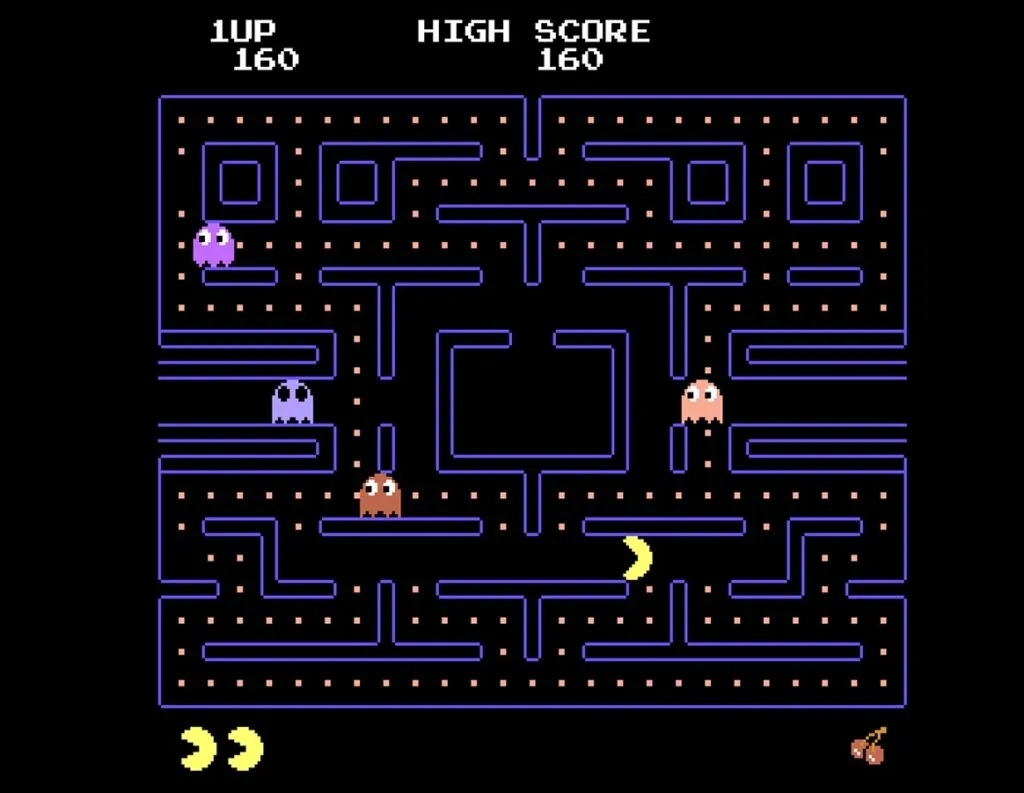
For example: people who usually play Strategy, Puzzle and Quiz titles, such as StarCraft, Pac-Man and League of Legends, tend to stand out when it comes to solving problems, finding creative solutions, planning, making decisions, thinking critically and analyzing their surroundings. This makes them ideal candidates for areas such as quality control, construction and operations.

Players of Action, Adventure and Role-Playing games, such as World of Warcraft, Assassin’s Creed and Pokémon, develop many social skills, such as collaboration and communication, in addition to being great at solving problems and making decisions. In professional life, they stand out in roles involving administration, analysis, finance and customer service.
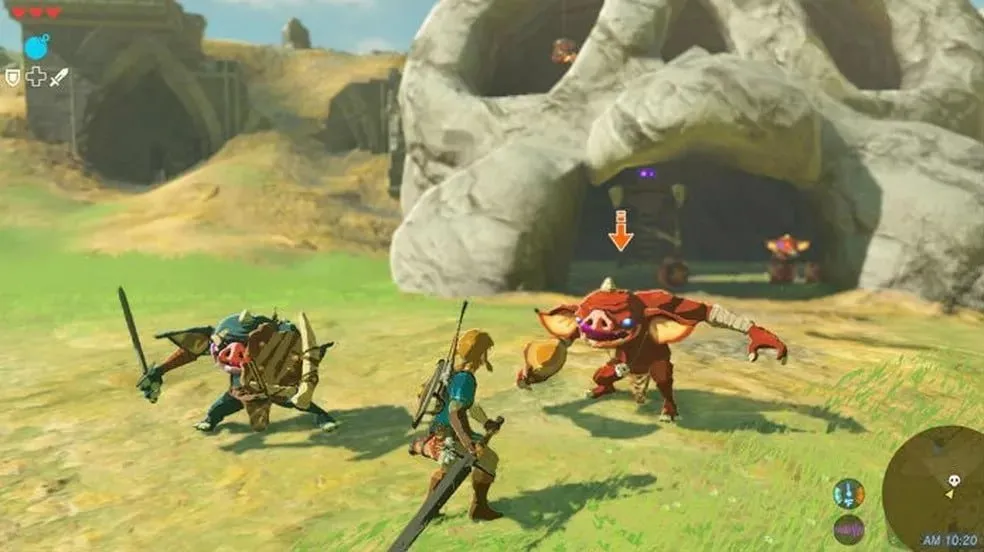
Open-world games along the lines of Minecraft and Legend of Zelda are a free field for developing the creativity and the visual and spatial perception of those who play them, skills that can be very useful for careers such as engineering, graphic design and chef.
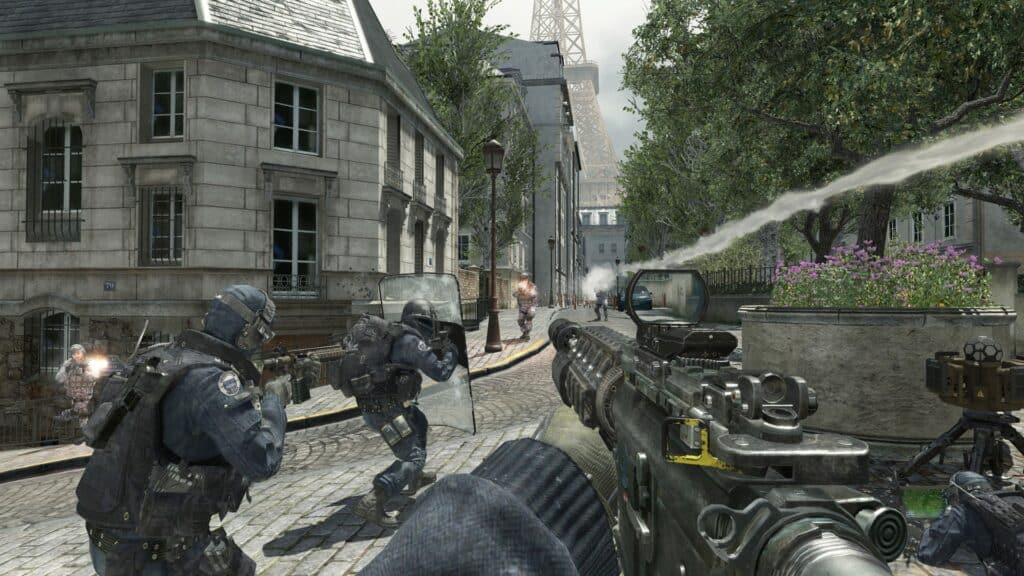
Team, Sports and Racing games, such as FIFA, Call of Duty and Need for Speed, train their players to give and receive good feedback, plan tactics, collaborate, communicate clearly and deal with adversity. All of this can help them, for example, in a career in healthcare.

Finally, there are Music games, such as Rock Band and Just Dance, which teach something highly valued and rare: the desire to grow quickly and develop skills perseveringly and with lots of practice. This type of player can stand out greatly in areas such as sales and digital manufacturing.
All of this happens for a simple reason: playing helps our brains create better cognitive models, making it easier for us to predict and react to new situations. In addition, online games are like social networks. In the words of Tim Sweeney, CEO of Epic Games, the company behind Fortnite, “people play with friends and with strangers and use the game as a basis for communicating.”
Gamifying your resume
One of the most interesting and important parts of the study promoted by ManpowerGroup is, without a doubt, the encouragement for gamers to include their player side on their resumes.
This consists of listing the games they play and the skills they gain through those games. Likewise, recruiters are encouraged to ask about the topic in interviews.
This reality already exists in countries like Norway, where more than half of the young population regularly plays some kind of game. There, many companies have been recruiting young employees based on skills acquired through video games.

One of those companies is the e-commerce company Komplett, which has been hiring gamers for its customer service department. According to the head of the department, “gamers develop knowledge and skills that transfer easily to the e-commerce industry, such as IT skills and cognitive skills like focus, cooperation and the ability to multitask.”
Another example highlighted in the study is Lyse Dialog, a public utility services company. In this case, the company noticed that around 10% of the resumes it received listed, in addition to education and experience, information about the candidate’s gaming background. Here, the main benefit was that the company managed to build a positive image among young professionals.
The job market of the future will be marked by the need for professionals who can adapt and work side by side with the new technologies that are gradually becoming part of our lives, such as Artificial Intelligence and robots.
Like the professional world, the world of games will keep evolving constantly. And it will become more and more common to find professionals who build their skills through games. At the moment, the biggest challenge is to change the general mindset and get people to see video games as more than simple entertainment.
So when you see a young person glued to games, do not think they are wasting their precious time. In fact, they may be securing their professional future.
Adapted from: Why More Employers Want To Hire People Based On Their Video Game Skills