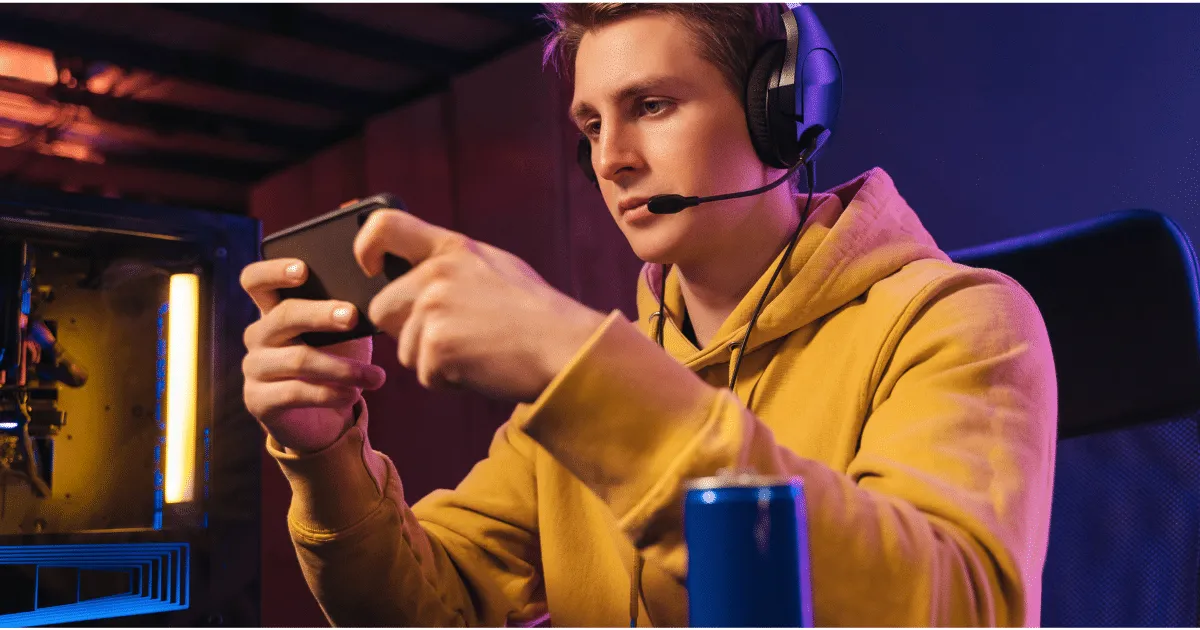
It is estimated that, day after day, approximately 2.5 billion people around the world set aside a few minutes or hours of their routine to play a game. The video game industry is one of the most lucrative there is. In Brazil alone, it moves around R$13 billion per year.
With such a large community, it is natural that gamers make up a considerable share of today’s professionals and job candidates. And the experiences these people gain by playing can be very valuable to their profiles as employees.
Video games are a broad field full of possibilities for learning soft skills. Gamer communities are extremely active across the planet, and their members, largely because of the time they have spent and still spend playing, tend to have the combination of qualities most sought after by recruiters: digital competencies and social skills.
Contents
- So, what are soft skills? And why are they so important?
- And where do games come in?
- Types of games and the business skills inherent to each
- Time to hit start
So, what are soft skills? And why are they so important?
Soft skill is a term used by human resources professionals to define an individual’s behavioral skills. Emotional intelligence, empathy, ethics, communication, leadership, creativity, and conflict resolution are some of the main and most valued examples.

In an increasingly collaborative world oriented toward a culture that values teamwork, this kind of differentiator has become a fundamental element of the corporate environment.
In most of today’s hiring processes, a candidate’s soft skills are given as much weight as their academic background, previous experience, and technical knowledge.
But while companies place great value on soft skills, many of them find it difficult to teach them. This is because, unlike hard skills, which are technical skills easily developed through training and courses, soft skills are tied to each person’s personality and are not easily measured.
And where do games come in?
Video games are a powerful tool for acquiring and training skills. The act of playing helps our brain create better cognitive models, stimulating continuous learning and sharpening our ability to anticipate and react to new and unexpected situations.
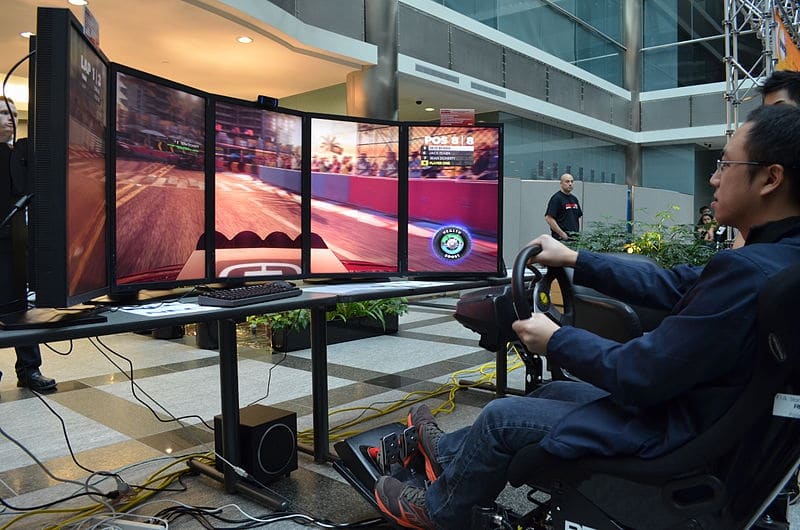
Although some still do not understand (or do not want to understand), the world of games is very similar to that of business. Aptitudes needed for coexistence and efficiency in a corporate environment, such as cooperation, strategic thinking, and awareness of one’s own choices and their consequences.
The process of teaching concepts and skills through games even has a name of its own: gamification, a methodology adopted by both educational institutions and companies with a more open mind.
Nestlé, for example, applies gamification in the early stages of its trainee selection process. Unlike what traditionally happens, recruiters only evaluate candidates’ résumés at the end of the process. The intention is to recognize them not only for their academic journey, but also for their competencies.
There is also a growing appreciation in the market for professionals who play video games. Komplett, a Norwegian e-commerce company, for example, decided to strengthen its customer service team by hiring gamer employees capable of multitasking and working across multiple channels. In addition, the company found that many players had a natural ability to lead, which led many of them to reach management positions.
Types of games and the business skills inherent to each
One of the best things about using games to develop professional skills is the wide variety of genres and options. There are even games developed especially to simulate the reality of business. However, they are not the only ones that can be integrated into the corporate world, and the examples below prove it.
Strategy, puzzle, and quiz games
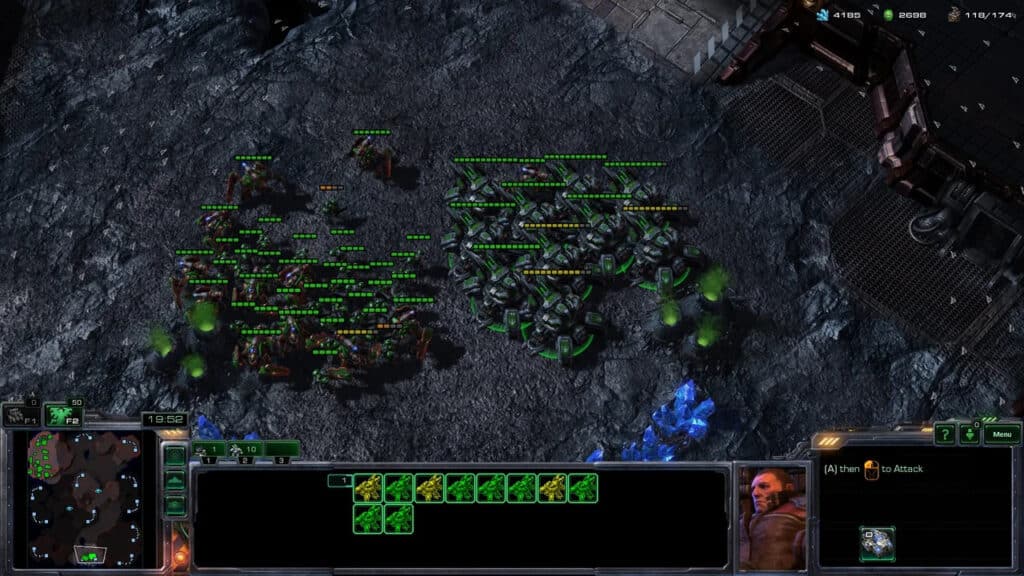
StarCraft 2
Games in this genre help develop planning, creativity, concentration, and persistence skills. This type of game demands well-thought-out problem-solving tactics, which improves the player’s ability to think critically and analytically. Examples of games of this type include League of Legends, StarCraft, Portal, and Dota.
Action, adventure, and RPG
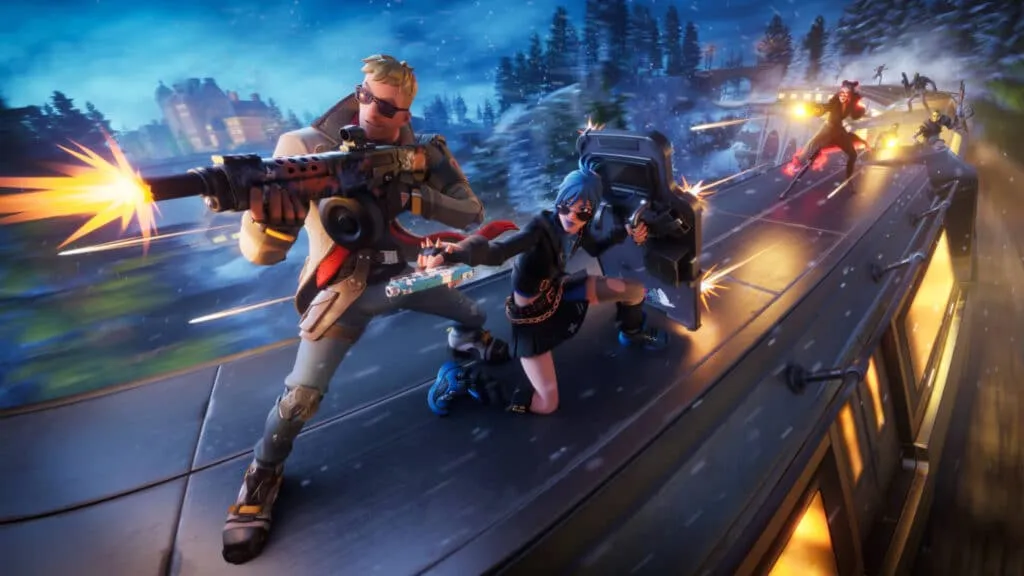
Fortnite
Action-based titles, especially those that offer a multiplayer mode, reflect our social relationships. For this reason, they help refine skills such as collaboration, teamwork, communication, deliberation, and decision-making. Among the most popular games in the genre are the worldwide phenomena Fortnite and Overwatch and the classic Tomb Raider.
Open world
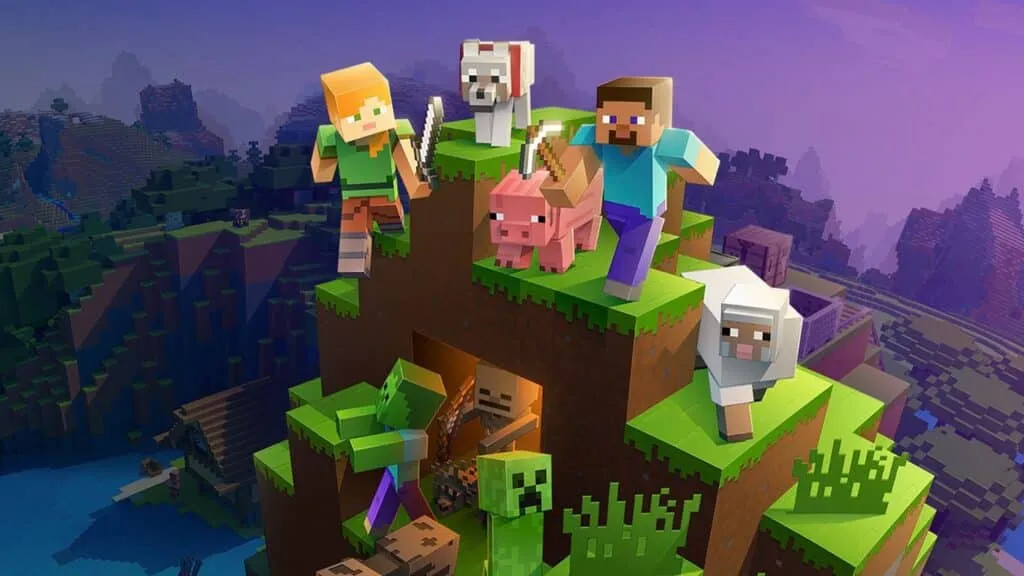
Minecraft
Open-world games are those in which the player can move around freely and explore the virtual universe they are in. This helps improve social perception and, above all, develops the ability to visualize the movement of objects in space, a fundamental skill for professionals in science and engineering. A great example of a game in the genre is the famous Minecraft.
Team, sports, and racing games

Need For Speed
This type of game is a good alternative for those who want or need to develop their skills in planning, tactics, collaboration, systems evaluation, coping with adversity, and spatial awareness. The available options are countless and include renowned titles such as the Need For Speed franchise, focused on street racing, and FIFA, which has the player defend major soccer teams.
Music and dance
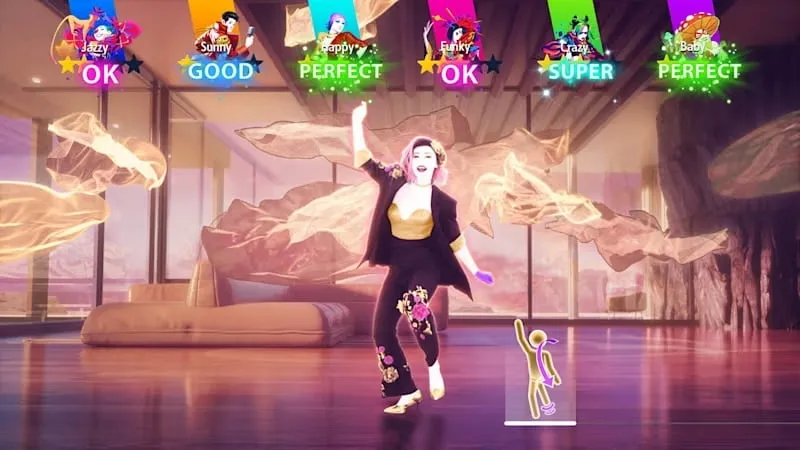
Just Dance
There is an element common to almost all types of games, but it stands out even more in music and dance titles: the need to always practice and improve.
That is because these titles tend to be the hardest to win on the first try. And it is precisely in the learning ability combined with the desire to improve that the main lesson they teach lies. Expecting perfection leads to frustration and failure. On the other hand, persistence and practice lead to higher levels. That is the main lesson of games like Just Dance and the 2000s hit Guitar Hero.
Time to hit start
With the digital age in full swing, companies can no longer close their eyes to the countless possibilities technology provides. And that also includes taking a closer look at games.
As we saw very clearly in the sections of this article, playing video games is no longer just child’s play. Today’s players are also active professionals in the job market. And it is precisely in their experience with games that their greatest differentiator lies: while many companies struggle to train their employees’ behavioral skills, gamers have already developed them by playing.
The demand for increasingly prepared and qualified people is a trend that should not recede. And getting closer to the world of games can be a great way to prepare for your next professional match.