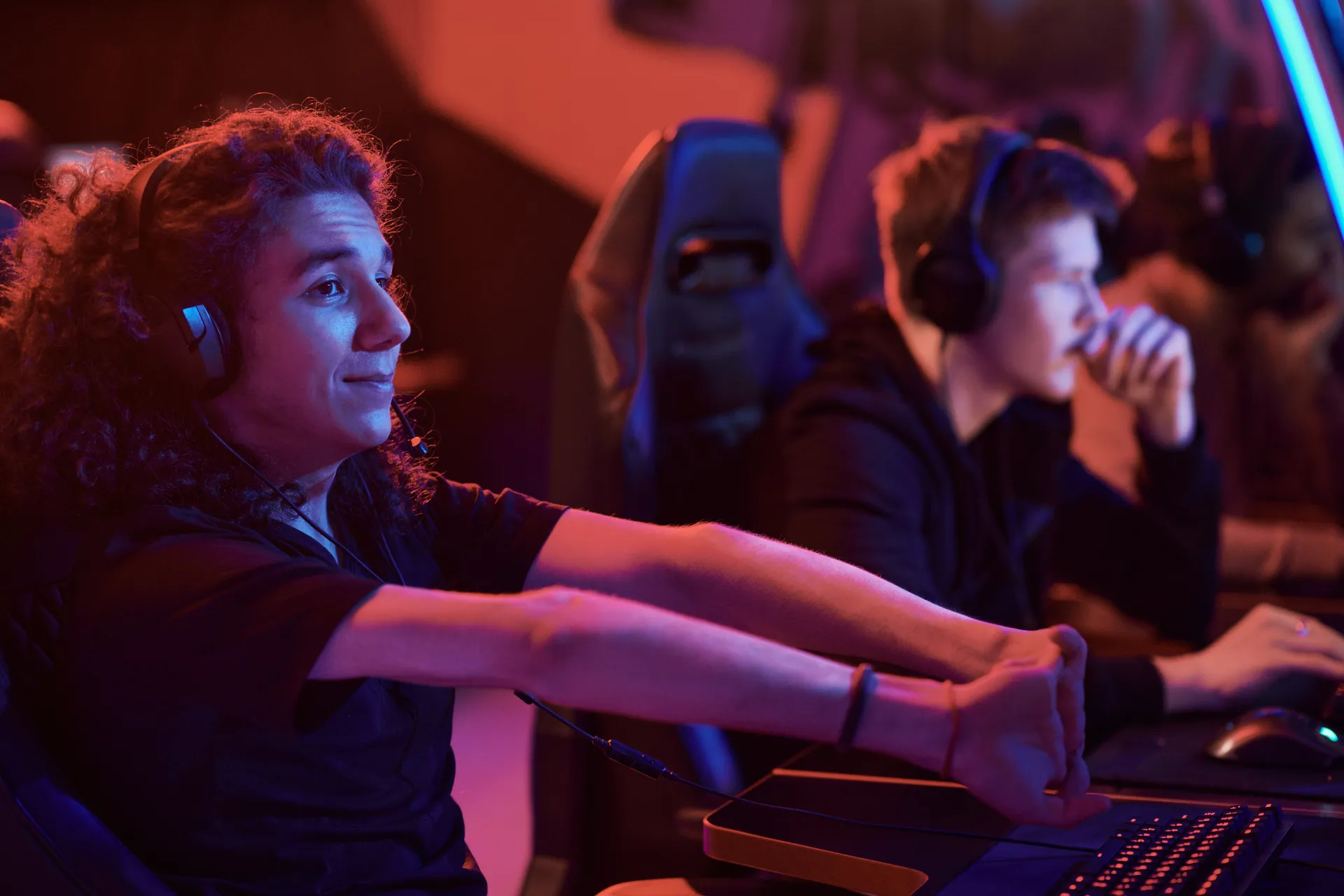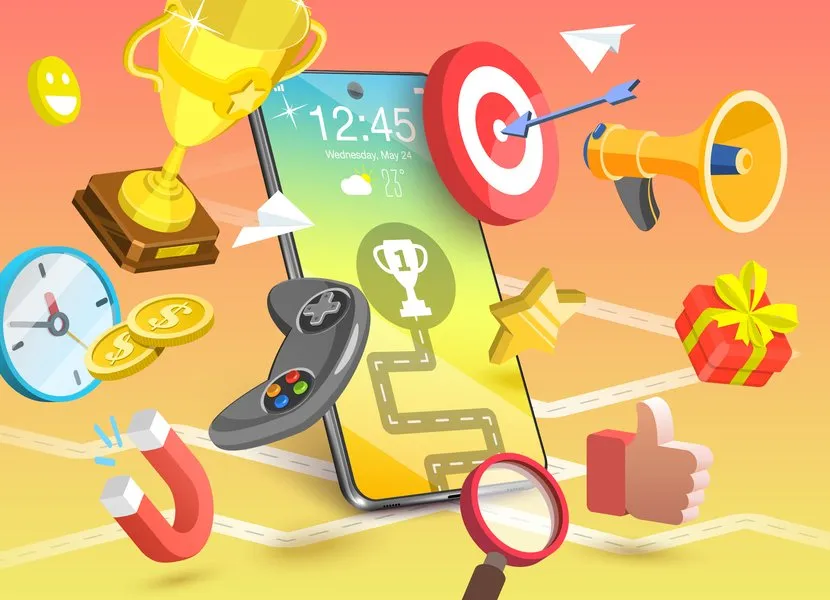
Neuroscience says that when there is emotion, the learning experience becomes more realistic and complete. That is why gamification in education works and has been a practice adopted by educational institutions, such as FAPUGA, in the East Zone of São Paulo.
In the lines ahead, find out more about the gamer audience and the benefits of using this method in the classroom. And for anyone who thinks this is just supposition, consider that games work in education because they develop skills such as observation and trial and error.
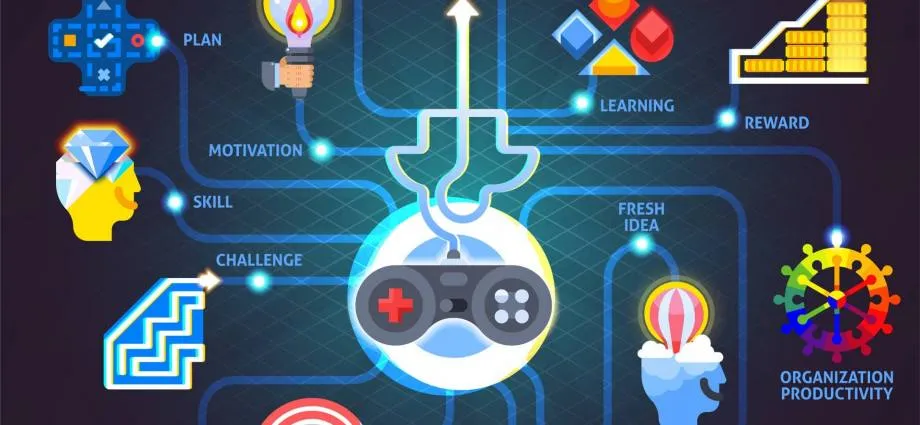
The gamer audience in education
What you need to know before understanding the concept of gamification in education:
- 97% of young people play on computers or video games
- 25% of gamers are over 30 years old
- 69% of heads of household play video games
- Most gamers intend to keep playing for the rest of their lives
These data help explain why the methodology has been increasingly used by universities around the world: there is a large audience that is fond of games. And the advantages go beyond cooperation, rewards, competition, and increased productivity.
So, forget the historical context in which the teacher is the owner of knowledge and the student is just a passive agent in the classroom. Today, the teacher’s role is that of a facilitator and the student has become an active agent in the learning process.
Therefore, using a method that includes and uses games for teaching has been effective because there is an audience that accepts and approves of this science. Besides, we are not talking only about “little games,” but about an interactive way of learning faster and faster.
The benefits of gamification in education
Gamification is based on the use of digital elements to bring in contexts outside of what is considered common in educational teaching. So, it is possible to have avatars, challenges, missions, rankings, prizes, bonuses, and much more. But is this good? See for yourself!
1 – Developing behavioral skills
One of the first advantages you notice when investing in games for studying relates to behavioral skills, which carry great weight in education. After all, we are talking about interactivity, creativity, logical thinking, sense of urgency, discipline, and more.
Compared with traditional school, studying seems less and less interesting because it brings the conflict between two realities that seem scattered: technology and interactivity. In the gamer environment, on the other hand, learning is more motivating and exciting.

2 – The student as an active agent at every stage of learning
The second benefit to highlight about gamification in education relates to the student, who becomes an active character in this story. Thus, they don’t just sit listening to what teachers say or what is written in books. More than that, they participate!
Through games, participants communicate and build each level together, creating the opportunity to share concepts, ideas, and experiences. This makes it possible to bring subjects closer to each person’s reality, since they can evoke and discuss the topics.

3 – A smoother balance between theory and practice
Although undergraduate programs may have a mandatory internship as a way to learn in practice the curriculum presented in theory, consider that with the gamer method this becomes much more natural. After all, just imagine someone playing for the first time.
To do so, the player will need to understand the rules, which are part of the theory. And as they play, they gain more experience. With this mastery of techniques and practices, they become an expert player, facing new challenges each time something new begins.

4 – Problem-solving as a way to succeed in your career
Have you noticed that in traditional education we are rarely given the challenge of finding solutions to problems? That is why not every professional is prepared to work in the job market – because of the lack of encouragement to solve issues.
Meanwhile, gamification in education lets students/professionals start thinking about these strategic solutions early on. Thus, they need to work as a team and be creative to win the missions and challenges set, using the resources available.
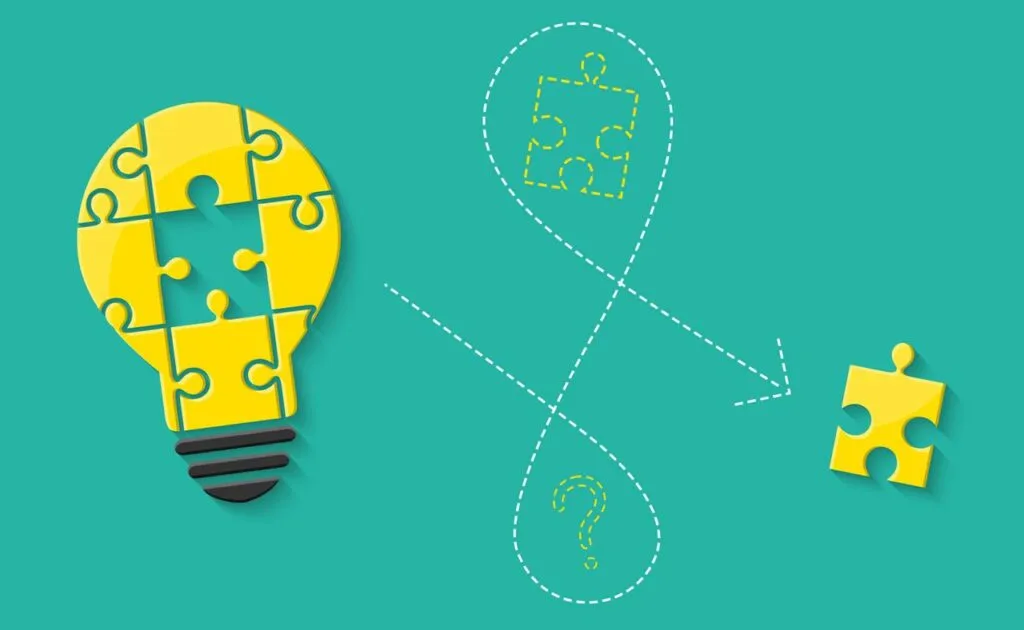
5 – Fostering and encouraging innovation, so important today
How does one of those old-style school exams work? Usually, with multiple-choice questions in which there is only one correct alternative. The problem is that this format allows only a single right answer, with no chance for the student to think differently, that is, to find other paths.
In gamification in education, it is possible to embrace mistakes through this search for alternative routes, which is completely stimulating for finding innovative ways to reach the answer. The technological environment, full of possibilities, allows for mistakes and innovation.

6 – Measuring performance more realistically
A ranking with grades from 1 to 10. Before that, the letters A through E. These have always been the best-known formats for measuring each person’s performance during their studies. But gamification in education has made it possible to go beyond numbers and letters.
That is because no one needs to wait for the end of the month or year to know whether they passed. For each day of play or each mission, it is possible to find out how the player performed. Everything happens through their progress and reaching their goals.

7 – Segmenting the content delivered to a class
Among many, one of the biggest benefits of this way of teaching and learning is that it allows content to be segmented. So, whoever is behind it can take into account the macro and micro objectives as true motivation pills for students.
A great example is having them access the same content several times, but for different purposes. This encourages retention of the content, which allows the construction of a general and strategic view.

Gamification in education preparing students for life
To end the text, here is a reflection on how much this gamified method can contribute to a person’s life beyond their studies. Through games, it is possible to make mistakes, learn, try again, create, find ways out, persist, and move on to the next level.
And it isn’t about always being optimistic or the best player, but about winning each of the levels throughout the proposed activities and goals. Games for children, like those for adults, bring people closer to their realities, their daily lives, and the job market.
To understand this, observe how this method works with entrepreneurial education, stimulating the work of creativity based on technological solutions. In addition to bringing in concepts of sustainability and quick decision-making.
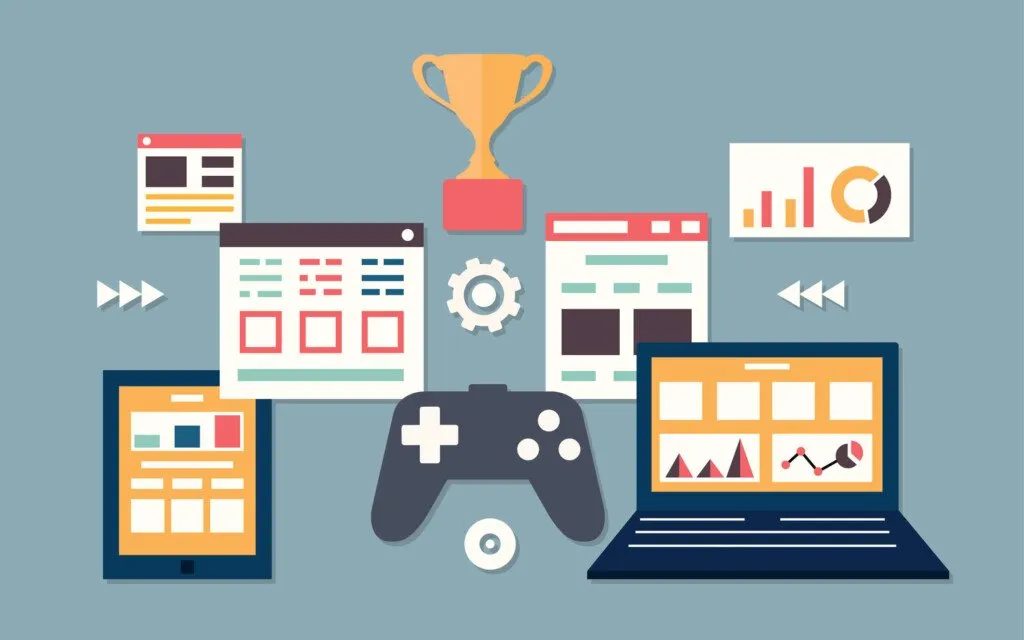
Learn more about the benefits of gamification in education
Did you like this article and want to keep learning about this method? On the blog we have a section that lists various content and articles related to the topic. We have already covered management games and e-sports in universities. Check it out!