
Games are part of our lives. They are in our homes, on our TVs, on our computers, on our phones, in shopping malls, in the trendiest offices, and in many other contexts and places.
One of those places is, to the surprise of some, the classroom. A whole group of educators believes in the educational potential of games and uses them every day to teach, train, and hone the widest range of knowledge and skills.
This methodology is known as Game-Based Learning, and it has been gaining more and more ground and prominence. In today’s article, you will discover what this method consists of and why it has so many passionate advocates.
Contents
- So, why games?
- What the Game-Based Learning methodology is
- Game-Based Learning vs. Gamification
- Game-Based Learning and skills development
- How to apply Game-Based Learning
So, why games?
Games are one of the most motivating tools there are. Unlike text, video, and music, they are a medium that gives the player real agency and the power of choice, which drives the user to keep evolving, growing, achieving, and learning.
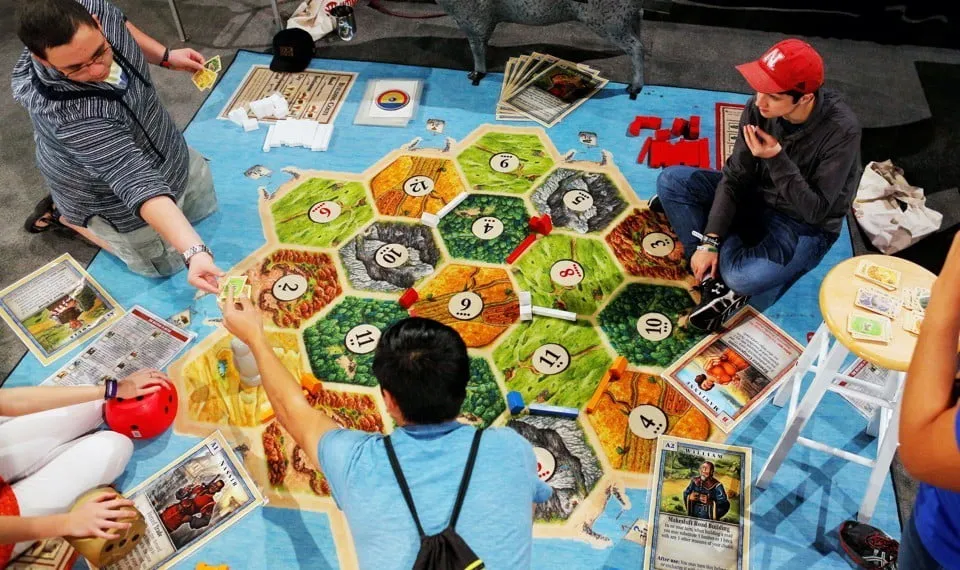
In the educational context, this means that knowledge gained through games tends to be better retained. It is an almost experimental approach to learning, in which the student swaps the role of passive listener for that of active player.
This happens because games are, by nature, an environment designed for solving complex problems. Although they are structured with the player’s success in mind, they do not hand over everything the player must do to win. It is up to the players themselves to discover these strategies and put them into practice.
It is through these basic elements of games, such as goals, interactions, feedback, and problem solving, that the most visceral part of learning takes place: the part in which players increase their engagement and maintain a high level of motivation.
What the Game-Based Learning methodology is
In general terms, we can say that the essence of Game-Based Learning consists of creating activities, classes, or courses in which the formal elements and principles of games are an inherent feature.
Depending on how intensely the method is applied, the game often becomes the course itself, as is the case, for example, with Fantastic Places, Unhuman Humans: Exploring Humanity Through Literature, an online course from Brown University that examines humanity through the fantastic creatures found in books.
Source: Cardiff University
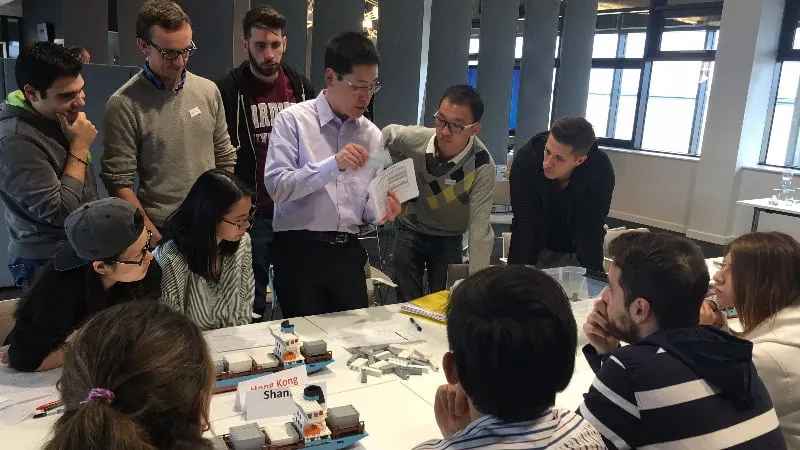
In Game-Based Learning, the science of games is used to teach specific skills or to reach a particular goal, usually tied to factual or declarative knowledge. We see this when a teacher uses a quiz platform to test students’ knowledge, for example. However, it is also possible to use Game-Based Learning to teach procedural knowledge, through simulations of what happens in the real world.
Contrary to what it may seem, Game-Based Learning is not applied only through games developed specifically to teach. Commercial games can also be used, as long as they are in tune with the content and context of the class, course, or subject.
Game-Based Learning vs. Gamification
Gamification is a term widely used in many places and outlets, including here at Fapuga News. It is not uncommon for gamification and Game-Based Learning to be seen as synonyms, but that is a mistaken view. Although there are similarities, they are essentially different things.
Gamification consists of using game elements in contexts that go beyond the gaming world, including learning. In Game-Based Learning, on the other hand, games are the teaching tool itself. While gamification comes in as a complement, Game-Based Learning places the game at the center of learning.
Game-Based Learning and skills development
One of the most significant changes that Game-Based Learning brings to the educational environment is in how content is created, used, and applied.
In the past, the format based on lecture-style verbal explanations and written exercises was the most widespread. Game-Based Learning, as we have already mentioned, gives players the chance to act and make choices. The content taught is essentially the same, but the relationship the learner develops with it is not.
This almost experimental approach, grounded in the idea that learning can be improved through continuous action, reflection, and experimentation, is undoubtedly the deciding factor in choosing Game-Based Learning.
It is a methodology that works almost like a hub for developing skills such as collaboration, problem solving, communication, and critical thinking. And the more complex the game, the more these skills are tested and honed.
How to apply Game-Based Learning
Source: Smart Technologies
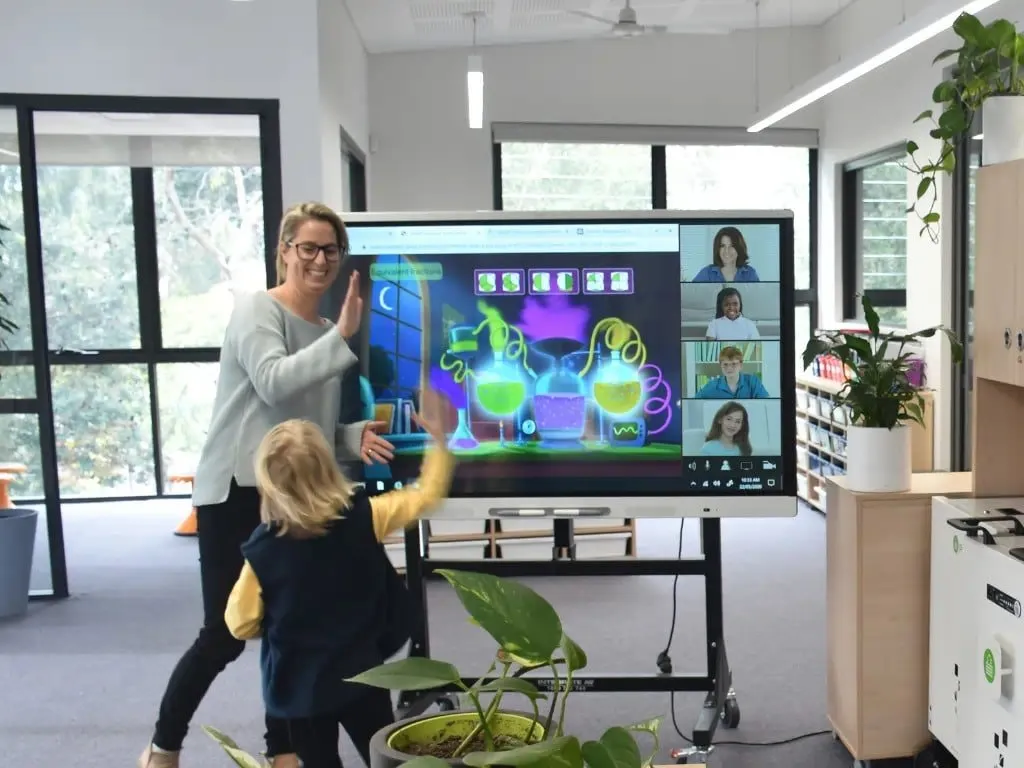
Applying Game-Based Learning truly efficiently is a task that requires some planning and study.
The first step in implementing the methodology is to formulate tasks that integrate directly with both the content being taught and the game being used as a teaching tool. In other words, the process must be aligned with the results you want to achieve.
For example: if the intention is to teach players to work as a team, then it makes no sense to use competitive games with elements such as rankings that compare one player with another. That creates a mismatch between process and goal.
A great application of Game-Based Learning rests mainly on setting flexible goals and ensuring that students/players have an adequate structure to guide their own learning based on their own choices.
In addition, it is essential to ensure that feedback is constant and assertive. Unlike the real world, games are an environment where mistakes do not carry consequences capable of affecting someone’s life. For that reason, players should feel comfortable learning from their own mistakes, experimenting, and asking questions.
As you have seen, Game-Based Learning is a methodology that can be beneficial in multiple ways. So, the next time you come across a game, try looking at it beyond the fun factor. You may be surprised.
Adapted from: What is Games-Based Learning?