
When we talk about games, a large share of people immediately think of entertainment and fun. However, the world of gaming goes far beyond that.
There is an extremely important segment of the gaming industry dedicated to creating titles whose main goal is to teach more than to entertain, or rather, to teach through fun. We are talking about the educational games market.
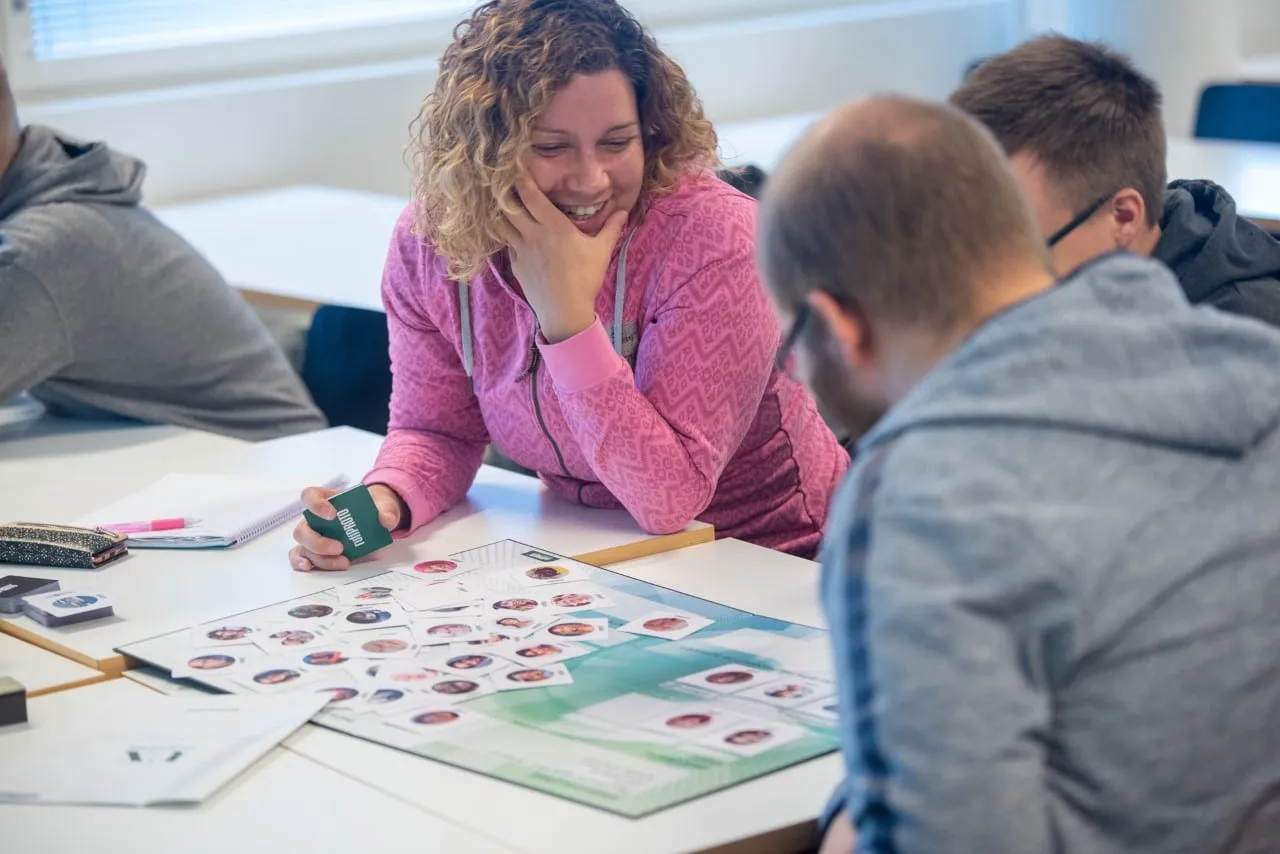
Educational games come in many formats, created to meet the most diverse learning needs. And contrary to what many may think, this teaching methodology is not effective only for children and young people. Adults can also benefit greatly from learning through games.
In today’s article, we will dissect the different types of educational games and show why they can be so important to the learning journey. Let’s go!
Contents
- The 8 most common types of educational games
- Why use educational games in the learning process
- Where to start including educational games in your methodology
- Popular educational games
The 8 most common types of educational games
1) Quizzes
The famous quiz games have the main goal of testing the player’s knowledge and understanding through multiple-choice questions. Their greatest benefit is that they help develop critical-thinking soft skills, in addition to being useful for reinforcing concepts.
2) Social simulation games
These are games that simulate situations from real life, such as running a business, managing a city or even performing everyday actions. They are especially valuable for teaching business, since they help train skills such as decision-making and teamwork, in addition to making it easier to understand systems that are often complex.
3) Puzzles and problem-solving games
Logical thinking, problem-solving and strategic planning are the skills most put into practice in this type of game. Through these challenges, reasoning and critical-thinking skills are developed.
4) Math games
Teaching and absorbing math concepts is a common challenge for many educators and students. In this context, educational games based on number concepts and operations are extremely valuable, since they make learning more dynamic, interactive and light.
5) Language-learning games
In addition to broadening our life experience, knowing other languages is one of the hard skills most valued by the job market, and is essential for some positions.
However, not everyone finds it easy to learn foreign languages. Educational games focused on language teaching are a didactically playful way of learning notions of grammar, syntax, vocabulary and pronunciation.
6) Creative and artistic games
Creativity, imagination and artistic expression are also very important elements in building human identity. This genre of educational game is usually used to awaken the capacity for expression and motivation through activities involving drawing, music, storytelling, etc.
7) Science games
These are games designed around scientific and technological concepts and experiments. By offering hands-on and virtual experiences, they promote and boost students’ understanding of the world of science.
8) History and geography games
Finally, we have games that immerse the student/player in historical and geographic settings, encouraging them to explore. Interactive maps and virtual tours are some of the resources these games use to teach about other cultures and important historical events.
Although these are the most popular types of educational games, they are not the only ones. In addition, a single game can incorporate elements from several genres. It all depends on the goal you want to achieve.
Why use educational games in the learning process
Educational games are not exactly a new methodology. However, their popularity is greater than ever, for several reasons.

The benefits of using these games extend to both educators and students, regardless of age. Some of the main ones are:
Improved engagement and motivation
The ability to captivate students is one of the most unique characteristics of educational games. Through interactive, immersive and fun gameplay, it is possible to bring students into the learning process in a more active and playful way.
Personalized and collaborative learning
As we pointed out earlier, many educational games are grounded in teamwork and collaboration. This is an important soft skill in almost every sphere of life, but it is especially relevant in the job market. Knowing how to communicate and cooperate with others is not always simple to learn, and games can give a strong boost.
In addition, games allow students to progress at their own pace. Through personalized feedback and flexible learning algorithms, it is possible to accommodate different types of learning and let every student learn equally, in their own way.
Knowledge retention
By presenting content in an interactive and fun way, educational games are a great option for those who want or need to strengthen the memorization of what is taught.
The secret is simple: when students interact directly with the concepts they are exposed to, their brains receive a greater stimulus to store that information, causing it to be retained for much longer.
Learning by doing
One of the best features offered by educational games is, without a doubt, the possibility of applying and testing in practice the concepts being learned.
Whether solving math problems, running a virtual business or exploring a historical map, the reality is the same: games are a stimulating and, above all, safe environment for students to test and truly grasp what they have learned.
Where to start including educational games in your methodology
Although educational games bring many benefits, caution, planning and research are needed when adopting them.
First of all, keep in mind that not every game is suitable for every context. In earlier sections, we showed that educational games exist within many genres and contexts. Before choosing one to use in the classroom, the educator should first analyze the existing curriculum and try to find a title that truly has educational value that fits their goals. In other words, the game should adapt to the curriculum, not the other way around.
Another point to consider is the age range of the class or group that will be exposed to the game. Very simple or fantasy-based games may not appeal as much to older students, while children will certainly struggle with a title that is too complex.
In addition, it is also necessary to assess whether the game’s costs fit the available budget. Although there are free educational games, there are others that must be purchased or subscribed to, which makes the financial side one more element to weigh.
Once the game has been adopted, the work takes on other focuses. Using an educational game also means guiding and monitoring the student’s path with that game. It is the educator’s role to make the experience even more engaging for the user, promoting discussions and making connections between the game and the real-world applications of those concepts.
Popular educational games
Now that you understand the concept of an educational game, it is time to get to know some examples available on the market.
Minecraft Education Edition
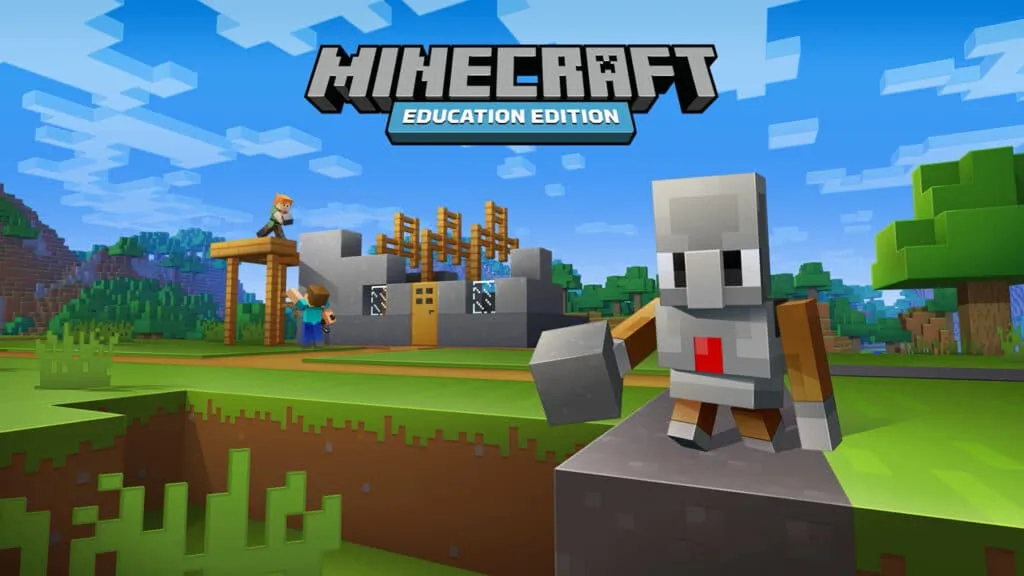
Did you know that one of today’s most popular online games has a special version geared toward educational purposes? In the education edition of Minecraft, users build and explore virtual worlds while training their creative, collaborative, mediating and critical-thinking skills.
Duolingo
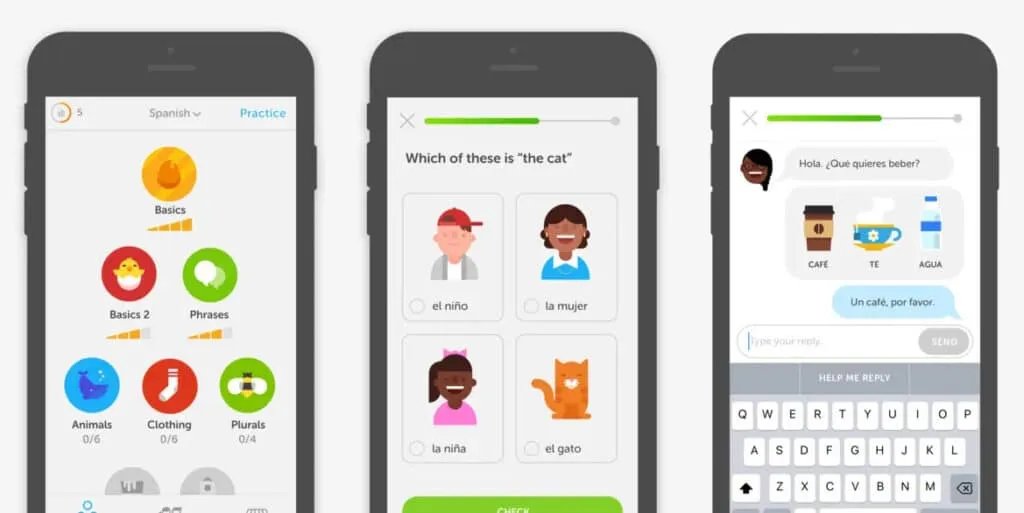
Many may not even realize it, but the successful language-learning app is also a game. The elements of gamification are all there: leveling up, reward badges, interactivity. With Duolingo, the experience of learning a new language becomes much more captivating and fluid.
Dragonbox
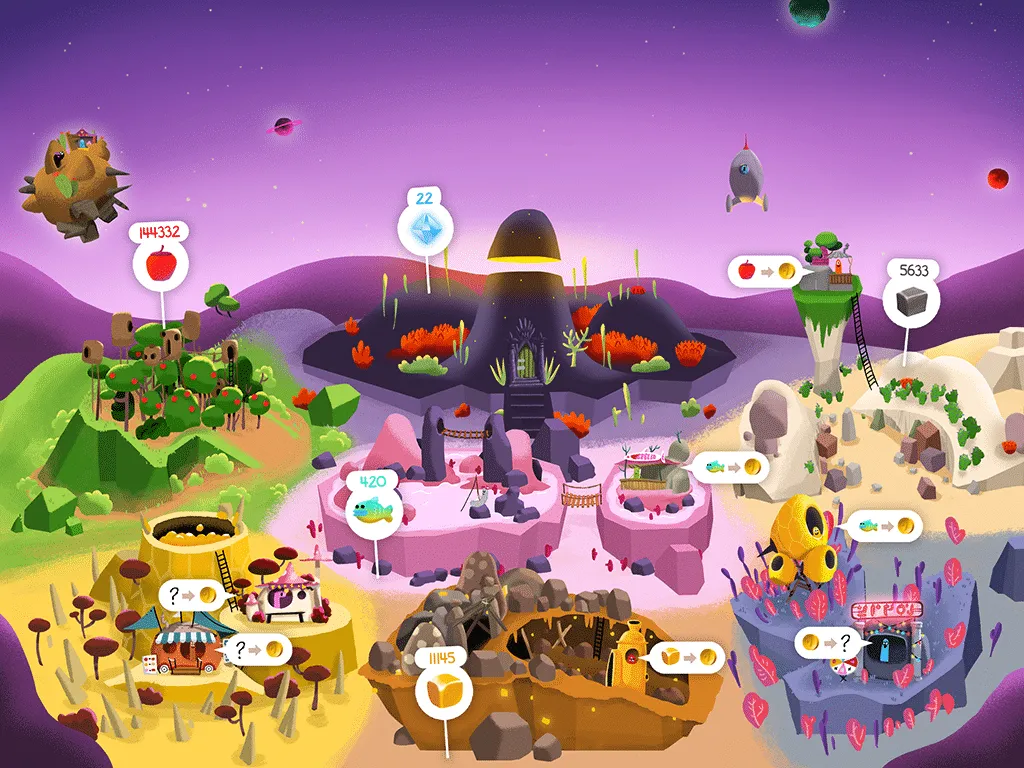
Focused on teaching math, Dragonbox teaches the concepts of this field of knowledge through puzzles and challenges. Its biggest differentiator is the way the game simplifies ideas and equations that are often complex, making the dreaded subject of math more accessible and enjoyable.
Scribblenauts
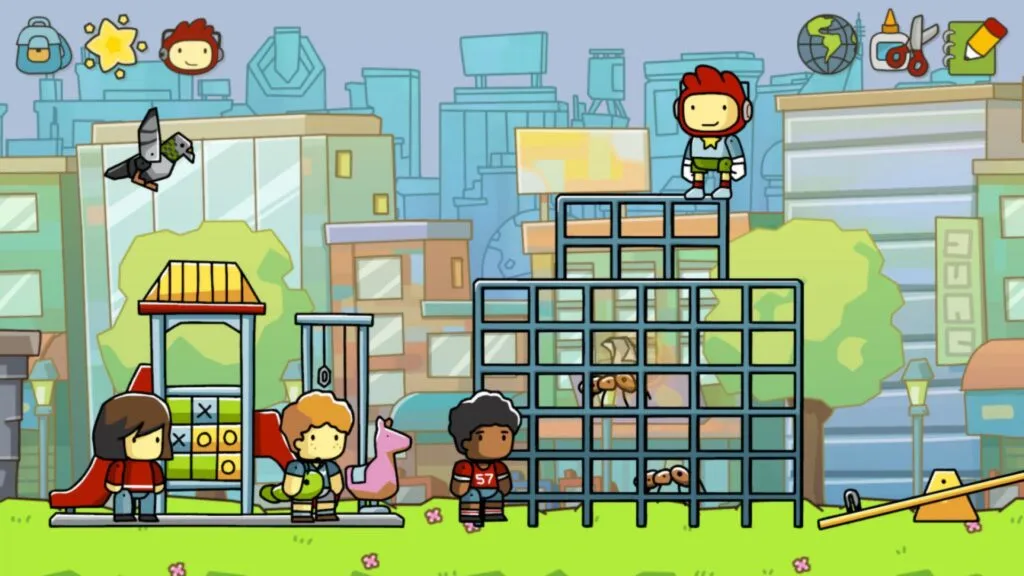
This game with an unusual title is a puzzle game that aims to develop critical thinking. Here, the player controls a character who carries a notebook in which everything written is inserted into the game’s universe and must be used to solve the challenges. It is a great exercise in creativity, problem-solving and even vocabulary building.
Geoguesser
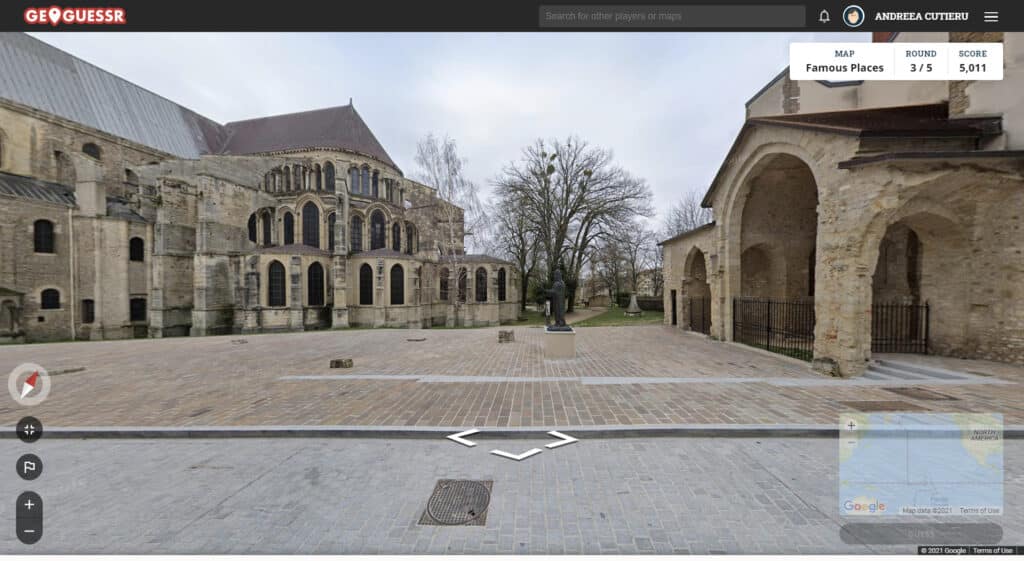
In this game, users are challenged to identify locations through images captured by Google Street View. In addition to geographic knowledge, it also helps improve the soft skills of critical thinking and problem-solving.
TypingClub
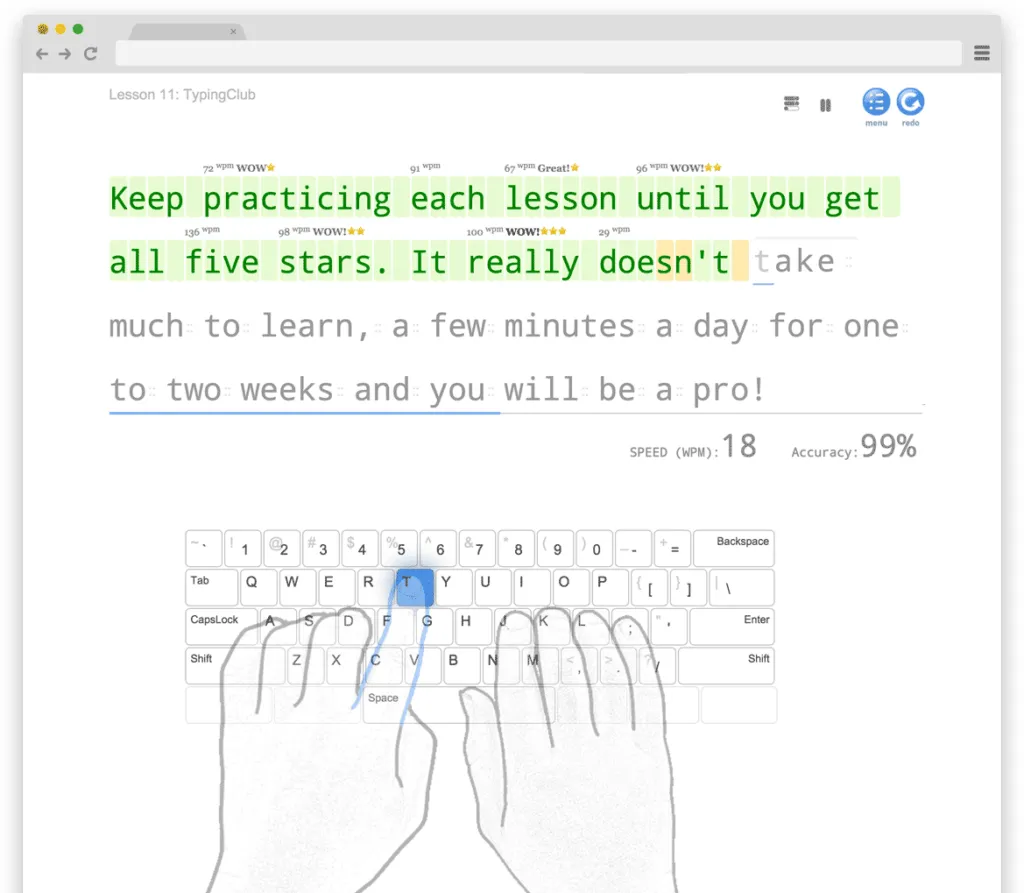
Typing may sound like a somewhat outdated skill to many people, especially younger ones. However, knowing how to type quickly on a computer keyboard with as few errors as possible is still a basic hard skill in the professional world. This game offers interactive and fun exercises to make learning this skill more motivating and engaging.
Educational games exist not to replace, but to complement and strengthen traditional teaching methodologies. Their use should be, above all, strategic and intended to give learning even more meaning.
Dynamic by nature, they promote a learning experience that is truly immersive. In addition, they are, demonstrably, a powerful tool for boosting understanding, engagement and retention of the content taught.
As you could read in this article, educational games, when well used, are capable of revolutionizing the way we teach in the broadest sense. They can be the solution to one of the most frequent challenges in the routine of any educator, teacher, trainer or whatever other term is used to designate those who teach: students’ lack of motivation and engagement.
Reference: What Are Educational Games