
When most people hear the word “games,” they immediately think of entertainment, fun, and hobbies. Games do offer all of that, but not only that.
Games of all kinds are used for purposes that go far beyond pastime. One of those purposes is the learning and training of professionals. In this context, fantastic universes teach lessons about leadership and economics, interstellar battles serve as an example for entrepreneurs, and the tactics of a shooter game help businesses aim more accurately in their strategies.
There is also a type of game whose connection with the corporate world is even closer. We are talking about business simulation games, which, as the name suggests, put players in charge of fictional companies and challenge them to create strategies that lead their ventures to success.

Although many were originally developed to entertain, these games are highly valuable to the (real-world) business field. Corporate routines can often be stressful and tiring. Simulation games give professionals the chance to hone their skills in a lighter, safer environment, where the risk of making mistakes exists but carries few consequences.
Contents
- 4 benefits of including simulation games in your routine
- 7 titles to dive into the world of business simulation games
4 benefits of including simulation games in your routine
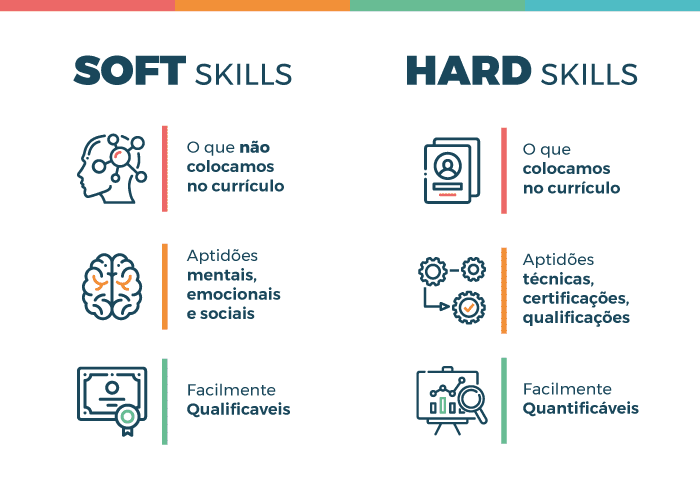
1) Practicing soft skills
Business simulation games allow professionals to test their skills without risking their job. You can practice skills such as communication and leadership and even make mistakes that will have no real impact on your career.
2) Improving hard skills
In addition to soft skills, simulation games are great for training hard skills specific to certain industries or roles. There is an enormous variety of titles available on the market today, with themes ranging from hospital management to digital influence.
Source: Núcleo do Conhecimento
3) Team building
Team building is the name given to various activities that companies promote with the goal of strengthening team integration.
Playing games that simulate business strategies is a relaxed and productive way to bring together people with different personalities and views around common goals.
4) Unwinding
For a passionate professional, leaving the office behind at the end of the day is not always a simple task. Simulation games can be a great tool to help these professionals unwind without setting their professional side aside.
7 titles to dive into the world of business simulation games
Today, the business simulation genre has hundreds of titles available. From specific industries to entire economic systems, you can control an endless variety of situations and develop a wide range of skills. Below, we have gathered 7 of them that can be good options for anyone who wants to get started in this universe.
1) Planet Coaster
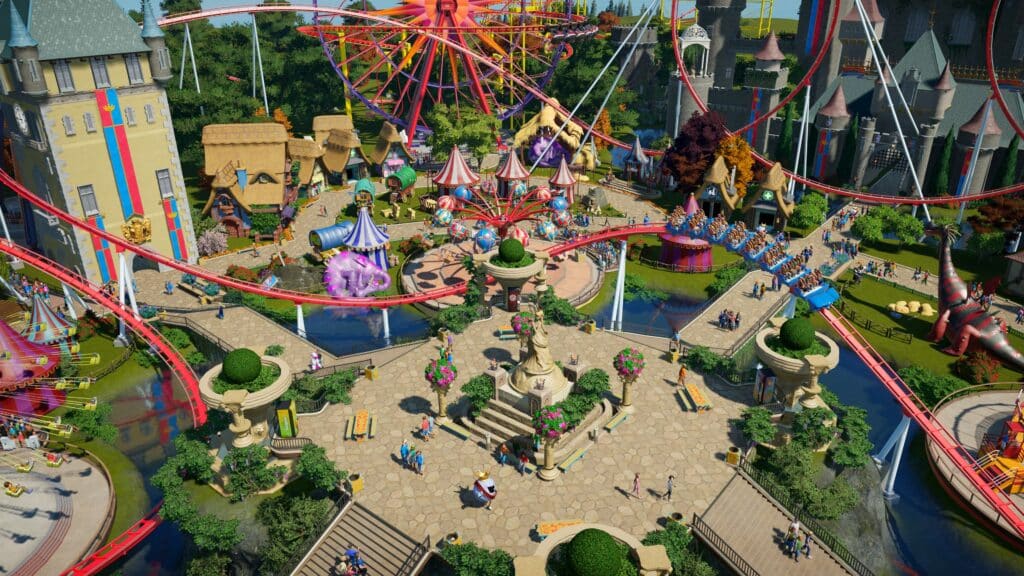
Build and manage your own amusement park. That is the main premise and goal of Planet Coaster. Originally released in 2016, this game puts the player in the shoes of a manager who must work to make the park a success.
Although it emulates a specific market segment, Planet Coaster presents universal situations from the business world: getting the best product (attractions), attracting customers (visitors), managing often tight budgets, and generating as much profit as possible.
2) Youtubers Life 2

Although it is a relatively new profession, YouTubers and digital content creators already have a simulation game to call their own.
Released in 2021, Youtubers Life 2 is the sequel/update of a 2016 title. The goal here is to manage a YouTube channel so that it becomes profitable. It is a true dive into one of the most lucrative segments today: digital influence. The player starts from scratch, with modest equipment and no large base of followers, and is challenged to climb the path to virtual fame, with all the processes that involves.
3) Crossroads Inn
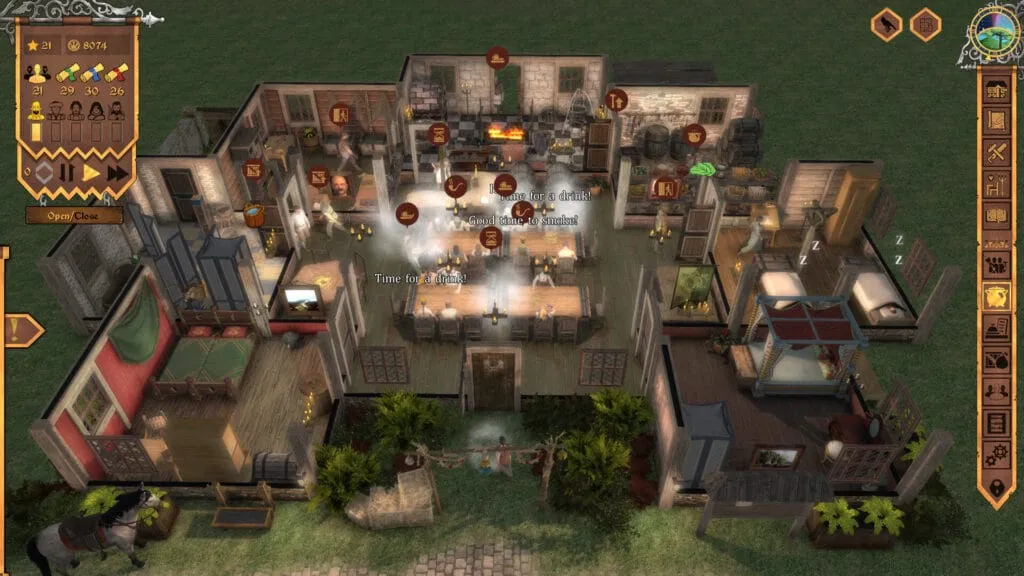
One of the most curious titles on the list, Crossroads Inn is a game that merges two popular genres: simulation and fantasy.
Set in a medieval fantasy world similar to that of RPGs, the game gives players the mission of creating, managing, and expanding their own tavern. That includes setting up the environment, defining the services and menu, and everything else involved in customer satisfaction: travelers who come from distant places.
4) Transport Fever
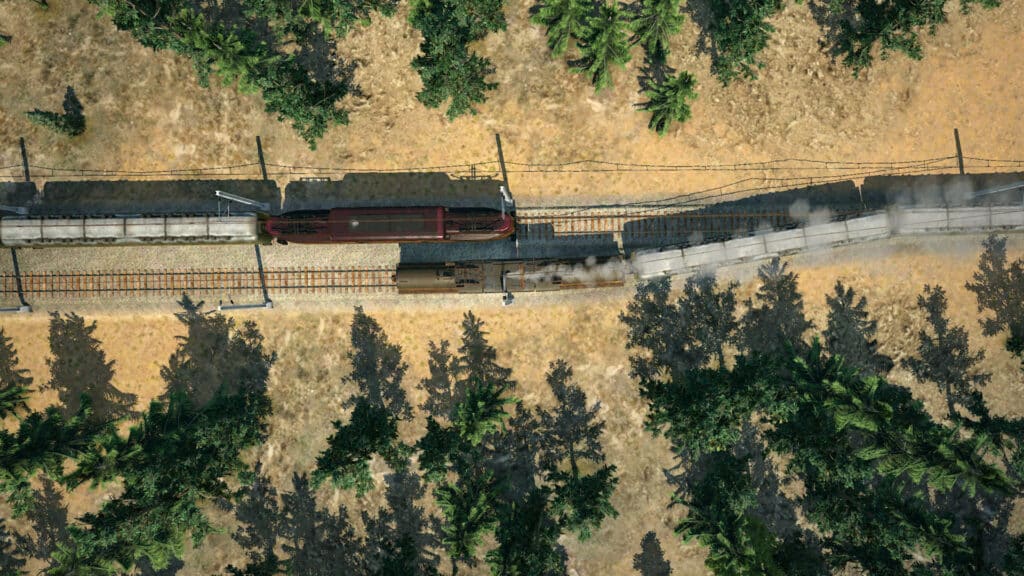
Transport Fever is both an exercise in business management and a journey through the history of transportation.
The game begins in 1850, when trains and railroads predominated. As the player advances, airplanes, automobiles, ports, highways, and airports begin to appear. The goal is to become a tycoon in the field, building complex transport networks and profiting from them.
5) Rise of Industry
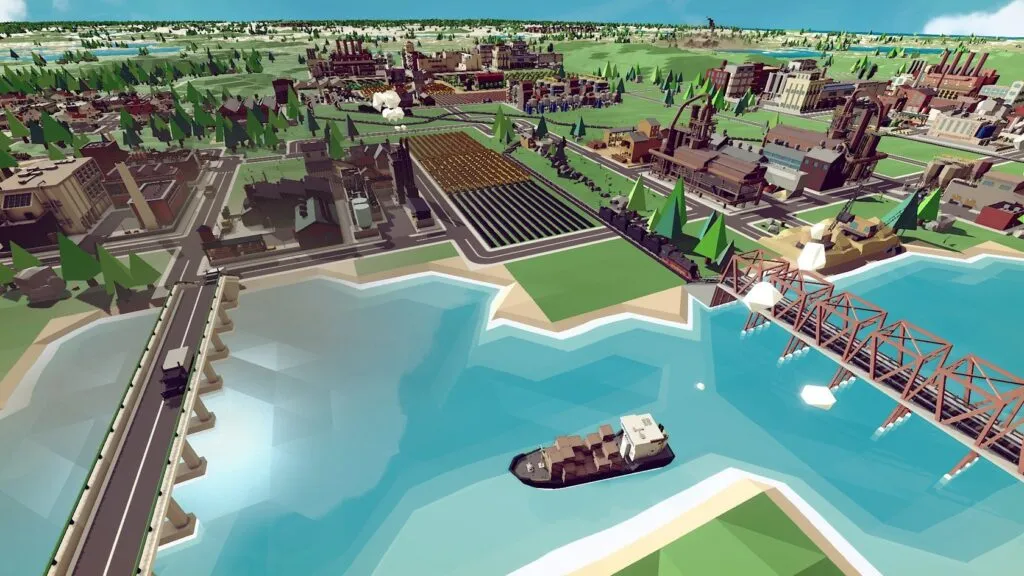
And since we are talking about time and history, we cannot fail to mention Rise of Industry.
Set in the first decade of the 20th century, Rise of Industry challenges players to build their own industrial empire at a time when the concept of industrialization was only beginning to take shape. Besides skills, the game teaches that, no matter how much time passes, some elements of the corporate world endure: the need to know how to negotiate and a keen nose for new opportunities.
6) Motorsport Manager
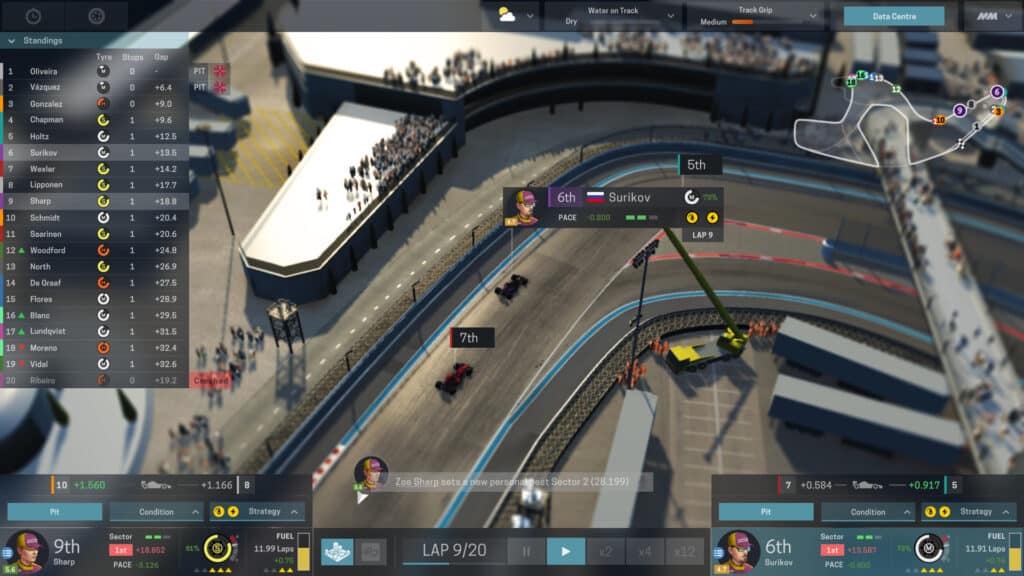
Racing games have been a popular genre since the dawn of video games. But what if players could steer beyond the wheel? That is the proposition of Motorsport Manager, a game in which the main goal is not to race, but to manage a high-performance racing team.
The experience offered by Motorsport Manager is broad and detailed. In the manager’s seat, the player must hire skilled drivers, build powerful cars, and even take part in decisions about the sport’s rules and regulations. In other words, a true immersion in the world of sports business.
7) Game Dev Story
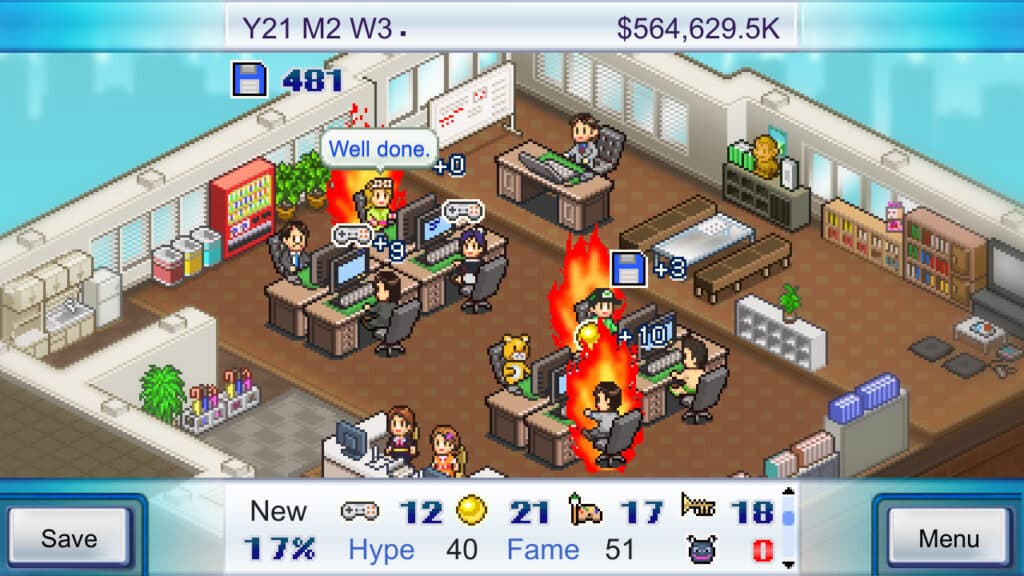
To close our selection, how about a game that simulates precisely the career of a game developer?
Game Dev Story puts the player in charge of a small game studio with a big aspiration: to create a title that sells millions. Or, who knows, even its own console.
With graphics that emulate the 16-bit look of classic devices such as the Super Nintendo and the Mega Drive, the game covers every aspect of game production: hiring and training staff, setting up an office, development, marketing, licensing, and attending conventions. In addition, there are several references to consoles and events that were part of video game history, which helps engage the more nostalgic.
As you have seen, business simulation games can be much more than simple entertainment tools. With the right focus and direction, these titles can be used to boost the professional skills of those who hold or want to hold management and leadership positions.
Besides the titles we showed in this article, there are many others available on the market, each with its own theme and particularities, but all with one thing in common: the proposal of making entertainment inspired by real life that also inspires real life. And you, have you explored any game of this kind?