
When someone decides to learn more about business, a few avenues come to mind right away: continuing education courses, undergraduate degrees, postgraduate programs, books, lectures, and games. No, you did not read that wrong. Games, whether analog or electronic, train our minds and develop skills that are fundamental for business professionals.
A great example of this is World of Warcraft (WOW), Blizzard’s MMORPG (Massive Multiplayer Online Role-Playing Game) that has been a hit among gamers for two decades, many of them outstanding professionals in their fields.
Part of the Warcraft franchise, WOW is an online game in which players create and control characters/heroes in an open fantasy world. This means there is no single objective in the strict sense of the word, but rather a series of quests, duels, interactions with monsters and other players, and exploration.
The similarities between the supposedly distinct worlds of the game and of work appear right away. At the start of the game, the player finds themselves with a limited horizon, with little knowledge or resources about what surrounds them, in a giant and complex world full of creatures and enemies (or should we say competitors?) to overcome. Not very different from an entrepreneur who is starting a business or entering a new market.
In addition, the world of an MMORPG has an economic system that emulates that of real life. Players buy, sell, and trade items, supplies, labor, currencies, and so on, in a way very similar to our day-to-day lives.
Read on and explore with us 6 valuable lessons that we can import from the world of World of Warcraft into our professional lives.
Contents
- 1) Everything has its price, whether in the world of World of Warcraft or the real one
- 2) Price is different from value
- 3) It pays to invest in your own training
- 4) Real sales tactics also exist in the virtual world
- 5) The law of supply and demand
- 6) Challenges help build growth
1) Everything has its price, whether in the world of World of Warcraft or the real one
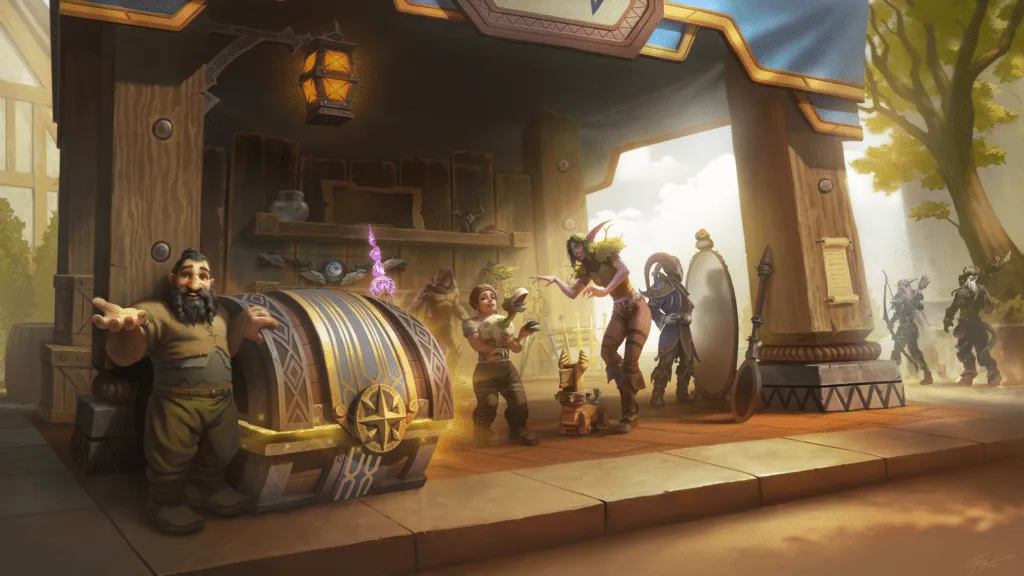

Anyone who has ever had to price a product or service knows very well that this is not as simple a task as it seems.
Generally, the pricing process involves three factors: product creation costs, market value, and cash generation. In WOW, the same logic applies to the items that players can buy and sell.
For example: within the game, the player can choose among several professions for their character. One of them is blacksmith, responsible for making and selling tools, plate armor, and weapons such as the Stormforged Axe.
If another player wants to get that axe, a good way to know how much to offer for it is to find out how many resources a blacksmith spends to obtain the material and add to that amount a margin for the time spent and the colleague’s expertise. To do so, the blacksmith will have to buy supplies from the miner, who in turn gathers veins of various qualities of metals randomly scattered across the open-world maps, and who generates raw materials such as metal bars, so necessary for the blacksmith to turn them into these various pieces of equipment.
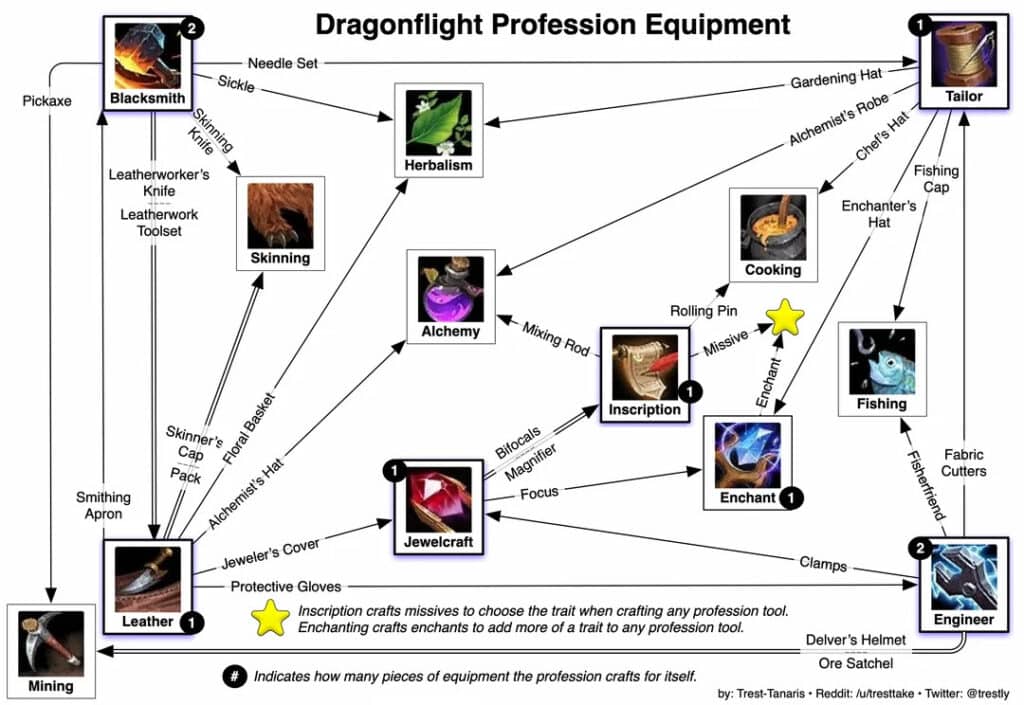
Map detailing some professions and items of the World of Warcraft world.
Credit: Reddit
Another example: unlike the Axe, some items in the game can only be obtained through the Auction House. In these cases, the price the player will pay depends on the market value accumulated by that item over time. If a Flaming Skull Shield is sold at the Auction House for 200 gold coins, for example, it will hardly be possible to find it at a lower price.
Finally, another pricing tactic found in both the real world and the WOW universe is the one that takes into account the product’s long-term profitability. The recipe for a Potion of Swiftness, for example, is usually sold for 10 gold coins, a relatively high amount for a beginner-level recipe.
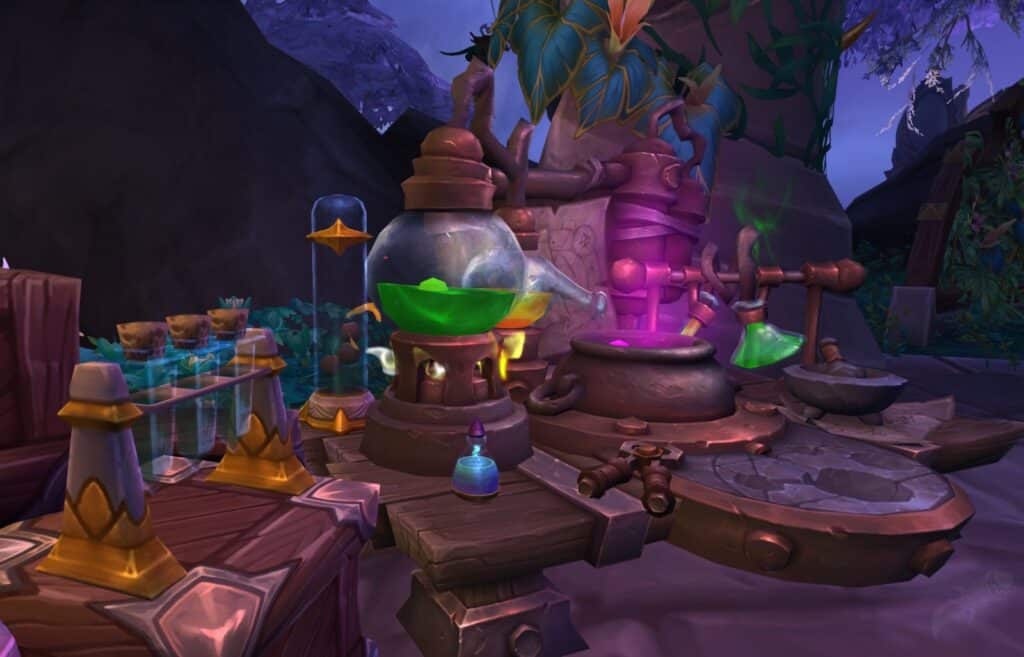
However, dozens (large batches) of that same potion can be sold for between 4 and 5 gold coins each, paying back the initial investment in the recipe and generating profit at scale for the player.
In the real world, a process very similar to the one described above is a manufacturing industry’s purchase of machinery. Before making such an acquisition, the company carries out a thorough evaluation that takes into account countless relevant factors such as:
-
Comparing and analyzing the various options on the market to assess whether the prices charged by manufacturers are consistent with the features offered, the technology employed, and the costs involved in developing this type of equipment;
-
Studying the return this investment can generate for the company, not only in productivity but also in operations and efficiency gains;
-
Considering the risks involved in the purchase. Just like game items, machines can also become obsolete and lose efficiency and market value as the journey of industry (and of technology in general) evolves to new levels.
And so, as in the real-world economy, a supply chain relationship occurs in the WOW world.
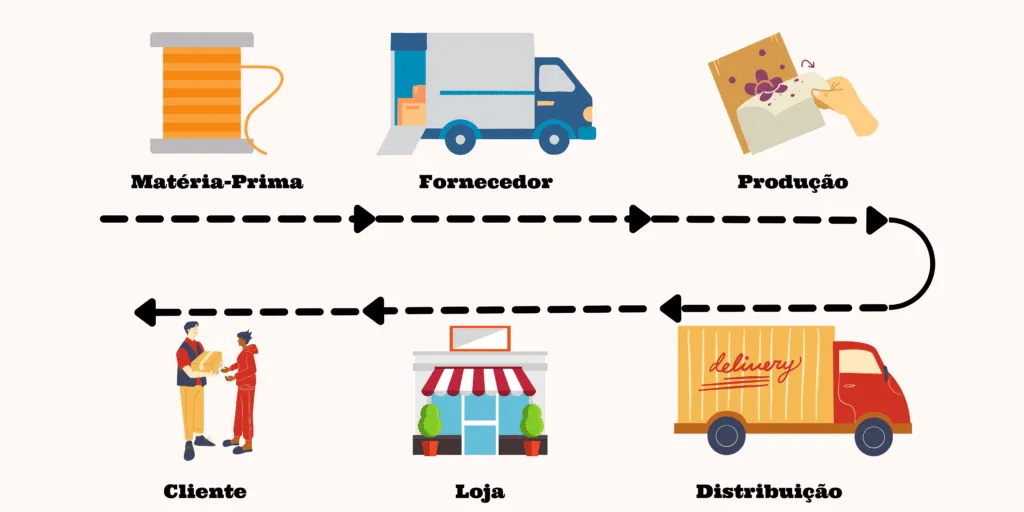
Credit: edecoração
Notice the similarity? For this and other reasons, we can safely say that someone who plays World of Warcraft ends up developing important hard skills in the field of economics.
2) Price is different from value
Warren Buffett, considered by many the greatest investor of all time, likes to say that “price is what you pay, while value is what you get from that product or service.”
Both in the business world and in an MMORPG, this is a balance we run into constantly.
At first glance, expensive items may sound like nothing more than an unnecessary expense. But what many forget is that the long-term benefits of that purchase end up making the investment worth it in the end.
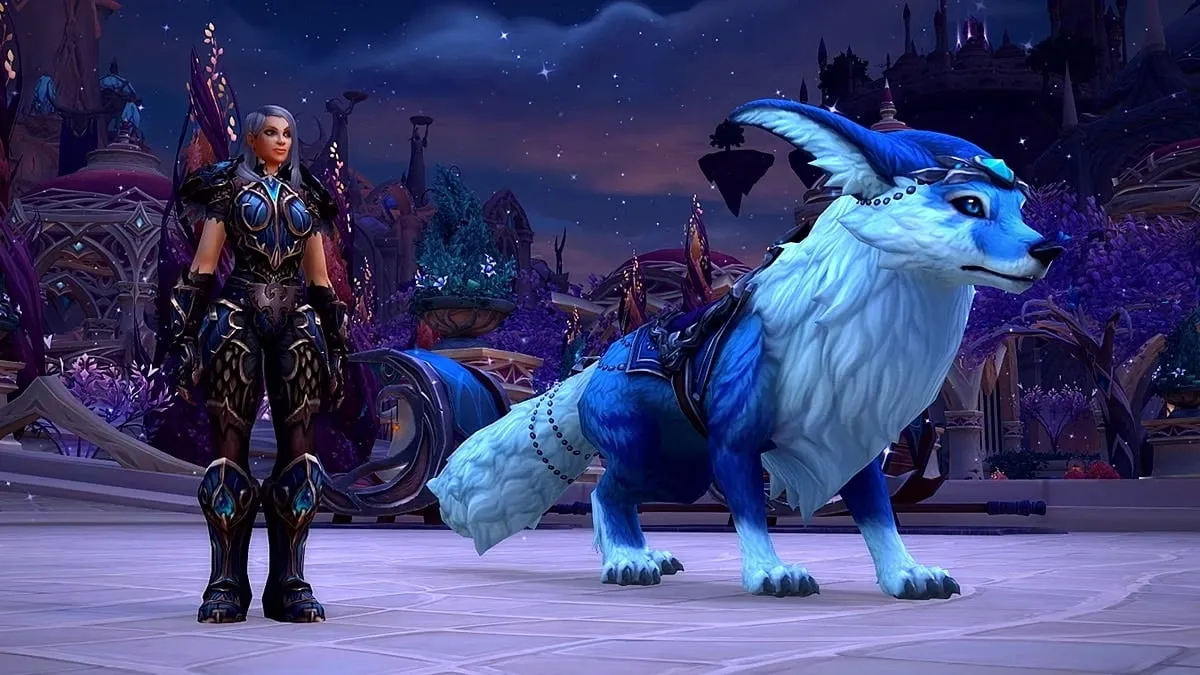
Take a common situation in World of Warcraft as an example: the game’s mount items are not usually cheap. However, they make the player’s character gain up to 100% more movement speed, making the investment worthwhile.
We can draw countless parallels to corporate routines. A simple example: some studies show that when an employee uses more than one monitor at the same time, their productivity can increase exponentially. That being so, investing in new monitors ends up being worthwhile because of the value generated in the medium and long term for the company’s results.

The lesson we can take from this is clear: sometimes it is worth spending a little more on upgrades that will actually have a scaled, positive impact on the results of your operations.
3) It pays to invest in your own training
The corporate world gets more competitive with each passing day. And to stand out in this scenario, a professional needs to be constantly improving.
Like many games of the same genre, World of Warcraft also has a journey based on the player’s progression. The more the character is able to improve in the professions they practice in the game, the more they can profit by creating rare, complex, and highly valued and sought-after items.
We can even say that, if there is any main objective in the game, it is precisely gaining experience. As you level up, the challenges get bigger and the number of points, coins, titles, and reputation the player needs to accumulate to keep advancing increases.
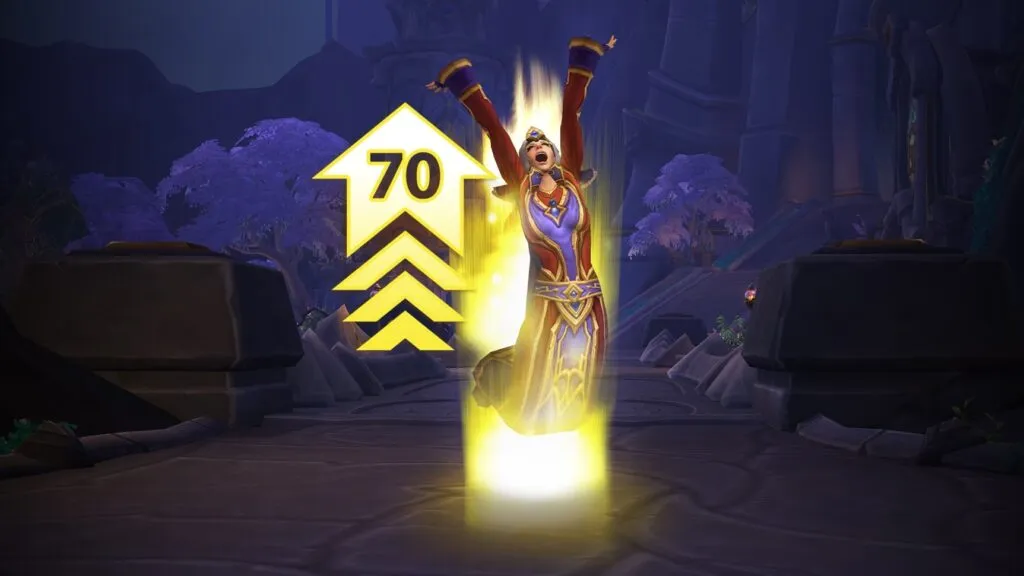
The value of a person’s work, whether in the real world or in WoW, is determined by the time they invest in themselves, the demand for the service they offer, their skill level, and the scarcity of highly skilled professionals on the market.
That is why we, just like the characters in World of Warcraft, should invest fearlessly in our own improvement. The game shows us that the more specialized a professional becomes, the more value, whether financial or otherwise, they can add to their work.
4) Real sales tactics also exist in the virtual world
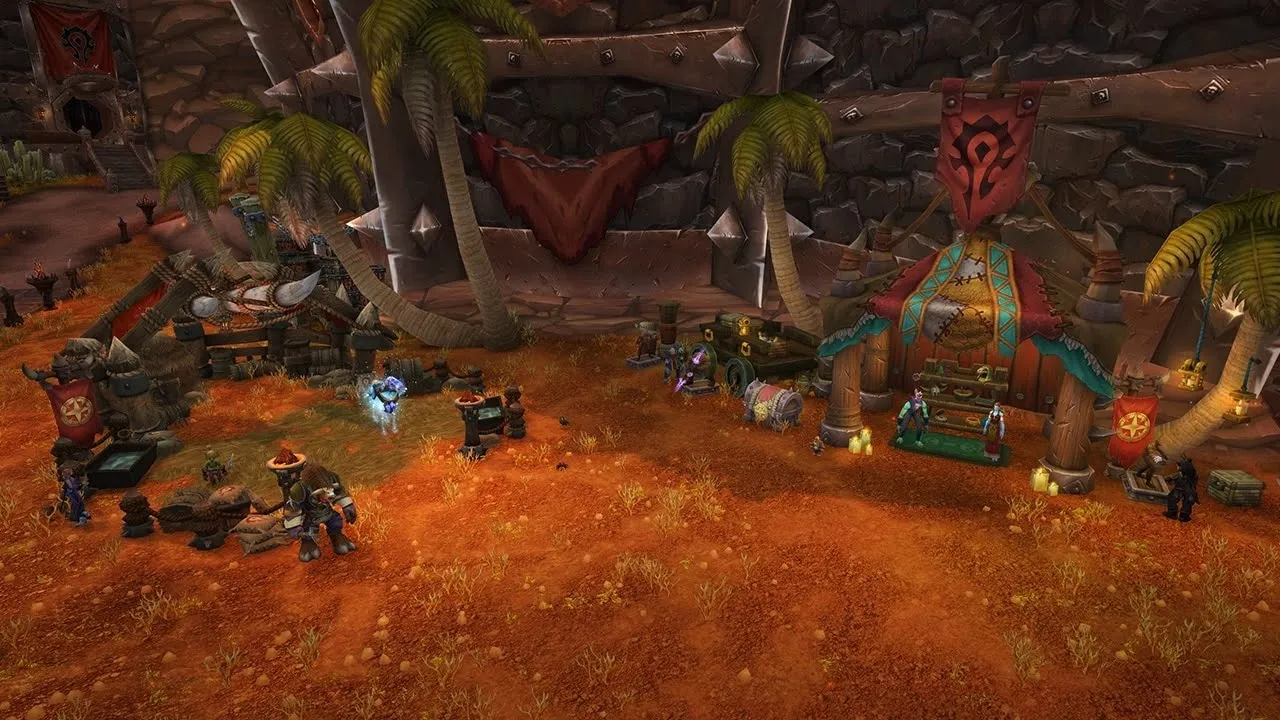
Returning to the similarities between the economy of the World of Warcraft world and real-life business management, it is worth underlining the fact that, in both universes, promotional activities are a constant practice.
A quick visit to the game’s trade chat channel exposes us to several players trying to buy or sell items directly, without having to go through the Auction House.
In that channel, players who want to generate demand for their items faster often use tactics that are very familiar to anyone who deals with business in the real world.
The first is creating a sense of urgency that leads the other player to speed up the purchase decision. Generally, this is done through a limited-time price reduction. The other strategy is to add value to the item based on the fact that it is rare or harder to find in the game.
In addition, these players also seek to build a good reputation, since this is also an important factor for buyers.
Want a simple example? On marketplaces such as Mercado Livre, the seller’s reputation is usually a relevant and, in many cases, decisive criterion for the customer to buy the product from X or from Y. In WoW’s sales channel, the scheme is quite similar and can be great training for anyone who wants to start a business.
5) The law of supply and demand
The law of supply and demand is one of the most basic economic concepts there is and also one of the most present in our routine, whether we are running a business, in the position of consumers, and, yes, when we are playing World of Warcraft too.
For example: linen cloth is a very common item to find in the game, a regular on the Auction House. For that reason, players see it as a low-value object, and it is usually sold for not much more than a few pieces of copper.
On the other hand, netherweave cloth is very rare and hard to find, which makes it an expensive and highly contested item when it is offered.
It does not take much thought to realize that the game’s economy borrows the same logic we deal with daily in the real world. The law of supply and demand governs our day-to-day lives in countless aspects.
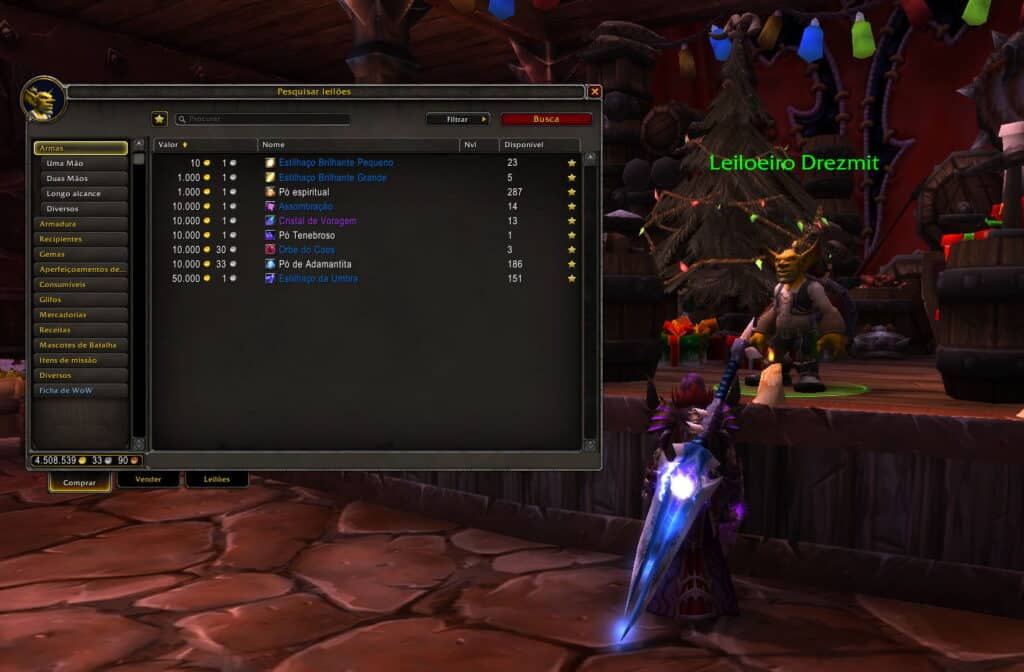

Like everything in life, there are of course some variables. Going back to the example above, if for some reason there is a lot of netherweave cloth available on the Auction House, it is normal for the price to drop temporarily until it is all traded. Nevertheless, the general rule remains clear: the rarer or more sought-after an item is, the higher its market value.
6) Challenges help build growth
One of the great merits of the team responsible for developing and maintaining World of Warcraft is the fact that, even after two decades of existence, the game’s formula has still not run dry.
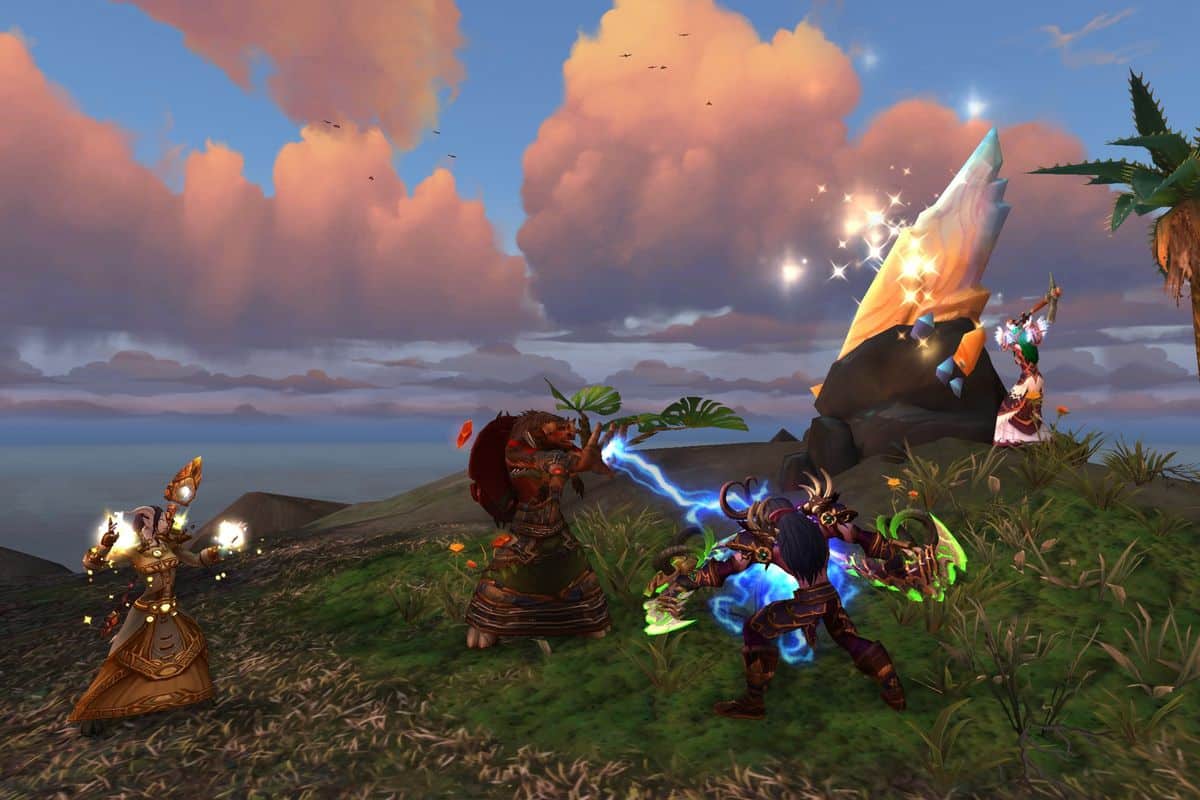
On the contrary: the open world in which the game takes place is an environment where the player is constantly challenged to develop new abilities and skills. At the same time, the developers take care that these challenges are consistent with each player’s level of experience and expertise, to avoid as much as possible players feeling frustrated at being unable to accomplish something.
Inertia and growth are two words that do not exist in the same vocabulary, and that idea is where one of the main lessons WoW can teach entrepreneurs, business administrators, managers, and professionals in general lies.
Adopting the same idea of constant challenges and improvements seen in the game is a great way to drive innovation within a corporate environment and in an employee’s individual career. When the prospect of something more exists, everyone becomes more dedicated to surpassing themselves to reach the next level.
World of Warcraft is not a lasting success by chance. With millions of active players every day, the game is far from showing signs of fatigue, having already cemented its place among the most popular games in history.
The reason for this success is not so hard to understand. In a world this wide and open, players’ creativity is raised to a much greater power. Those who play World of Warcraft rarely find themselves bored or stagnant in the same place. There is always something new to explore and skills to develop.
The ideal corporate world is similar to World of Warcraft: full of possibilities, stages to conquer, and things to learn. Shall we gamify this journey?