We know that choosing an undergraduate program is already hard; after all, choosing the profession that will help you build a career is of great importance.
What not all college applicants know, however, is that when deciding on the best university you need to pay attention to more than just the curriculum, the classroom facilities or the faculty (not that those are not equally relevant). Still, you must also look at the study methodology that will be used to deliver and reinforce the course content.
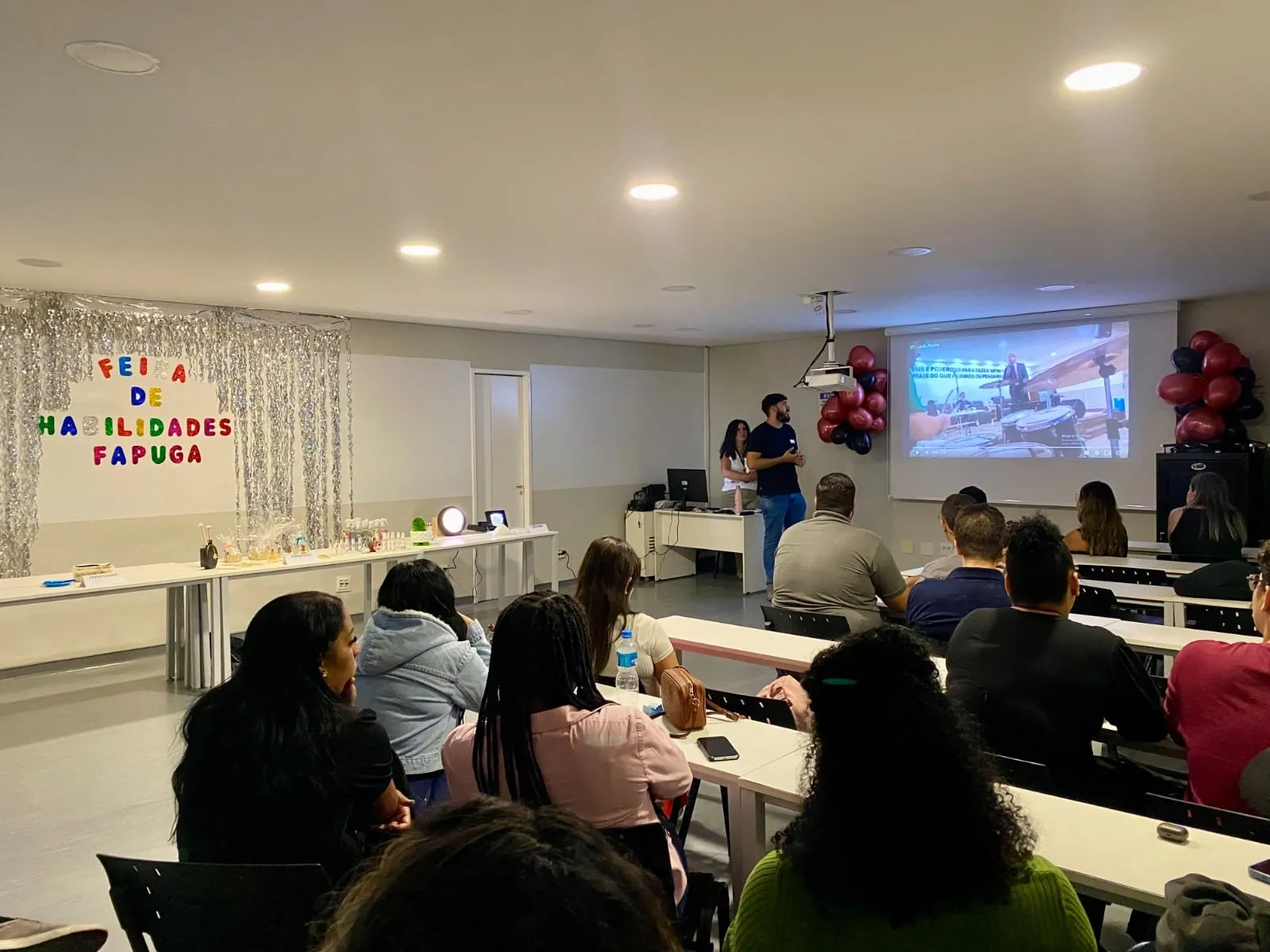
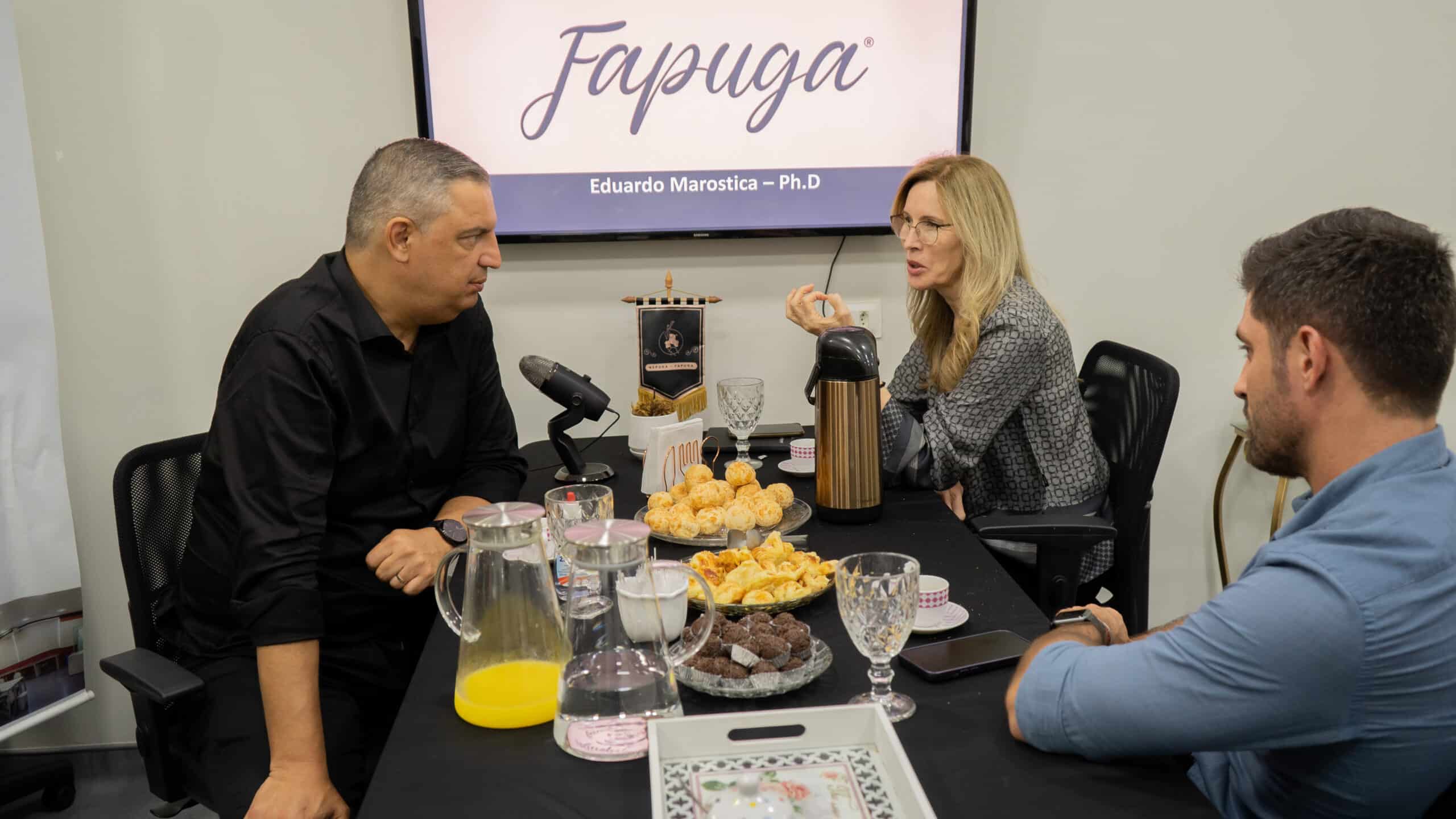
Faculdade Fapuga, besides offering personalized mentoring and tutoring, qualified professors, micro-credentials and a flexible curriculum, uses innovative methodologies so you can work through situations from everyday professional life.
Methodologies
Problem-based learning
In Portuguese this methodology is known as “aprendizagem baseada em problemas” or ABP (problem-based learning). In this methodology, the spectator is no longer just a recipient of information and takes an active part in the learning process. This is because the content is presented in the form of a problem that needs to be solved.
In other words, students are given a problem and must seek out the information and resources needed to solve it appropriately.
How does it work?
It usually happens as follows: groups of at most twelve people are formed. Once the problems are presented, the groups discuss them, look for additional information and formulate hypotheses that could solve the proposed challenges.
During this process, several sessions of one to two hours are held, in which each stage is presented. All of this over a period of approximately one week.
Team-based learning
Another method adopted by Faculdades Fapuga is “team-based learning.” It basically consists of fostering active learning by building a cooperative environment.
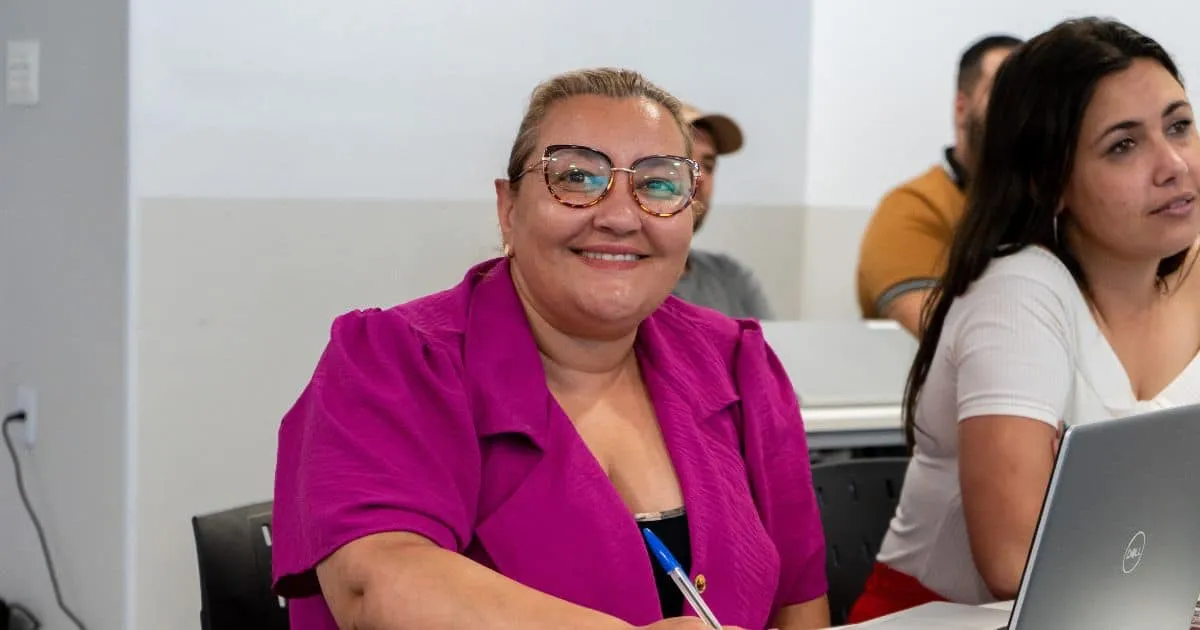
Thus, students are organized into groups and begin to refine and exercise their communication, argumentation and debate skills so they can move toward a professional personality with more autonomy and maturity.
Besides improving teamwork, this process brings benefits such as greater proactivity, more collaboration among members and more critical thinking.
How does it work?
The methodology involves some stages that begin with the formation of the groups and last until the end of the course.
The first stage is preparing the student for the upcoming group activity. That is, they must study the content beforehand at home so they can contribute to the teamwork. This creates a more effective social incentive, since if students do not commit to their part they end up harming their group mates.
The second stage, in turn, consists of both individual and group assessments on the subjects studied during the first stage, discussing among themselves the reason for choosing each answer.
In the third stage, students meet with their teams to apply the knowledge they acquired in the previous phases to solve a problem found in everyday life.
Game-based learning
In Portuguese this method is called “aprendizado baseado em jogos” (game-based learning). In short, it consists of using and creating games, usually digital ones, for educational purposes.
Even though they are educational, these games do not lose their challenging essence, sparking students’ interest and curiosity. The methodology is beneficial because it stimulates concentration and creativity, in addition to promoting an environment of healthy competition.
How does it work?
The games chosen are educational and pose one or more problem situations that must be worked on and solved by their participants. They are usually divided into levels of varying difficulty that reward players when completed.
Some examples of games used in this modality are quiz games and board or card games, which aim to complement the curriculum, reinforce previously covered content or teach something new that is part of the subject being studied.
Gamification
At first glance, gamification can easily be confused with the game-based learning method; however, the difference between the two lies in how game elements are integrated into the learning experience.
While the game-based learning method seeks to give students a kind of active learning experience within a game structure with specific learning objectives and measurable outcomes, gamification is the process of adding game elements or mechanics to an experience to increase engagement or fun.
In short, gamification is a way of using common game elements in situations that are not limited to entertainment and fun, so as to bring game characteristics into real, routine situations.
In this way, the logic and methodology of games is used for other purposes, making complex content more accessible and, consequently, easier to learn.
How does it work?
In this methodology, characteristic elements found in any game, such as rankings and/or scoring systems, goals to be reached and rewards at the end of each mission, are used to promote and motivate students to take certain actions.
Career mentoring
Career mentoring is exactly what it sounds like: a process that aims to help students take a direction in their professional lives through strategies, learning and actions so they can achieve their goals.
This process, however, is carried out with the help of a mentor with vast experience in the field, who will help guide students throughout the journey.
How does it work?
There are many forms of mentoring; however, we will talk about two of the main ones: the first is carried out by a professional who guides and supports the student’s professional development. The second is through a personalized, individualized program that is discussed between the mentor and the mentee in virtual or in-person meetings.
Supervised internship practice
The supervised internship is the point in the undergraduate program that allows students to put into practice everything they learned in the theoretical classes. Practice is essential, since it provides a lived experience of the profession, so that you gain experience and develop your skills.
How does it work?
At Faculdades Fapuga, partnerships are established for practical activities and internships from the first semester until the end of your degree with us. The focus is on the students’ personal and professional growth.
So, what did you think of the methodologies applied by Faculdades Fapuga? Which of them did you already know?