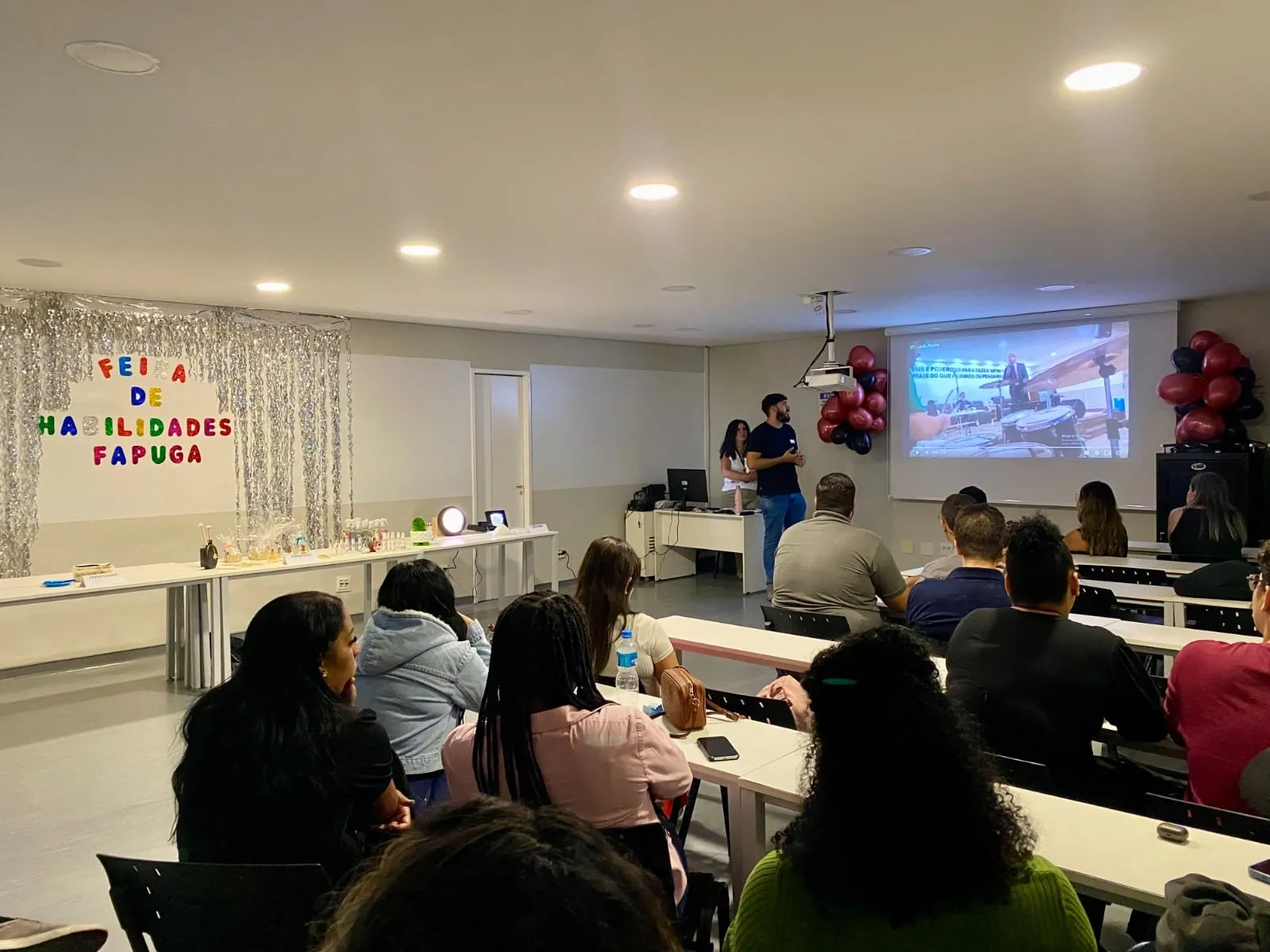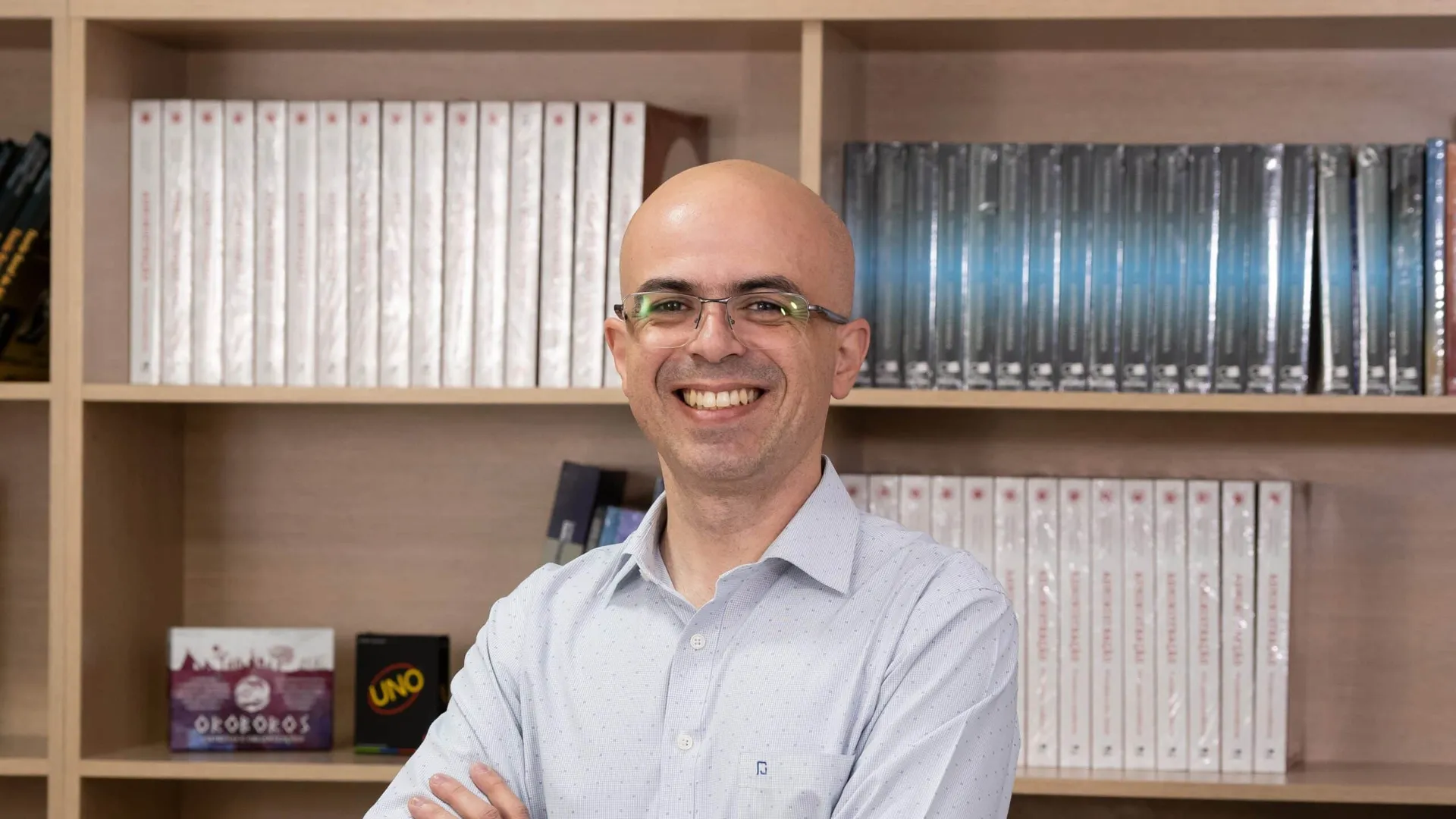
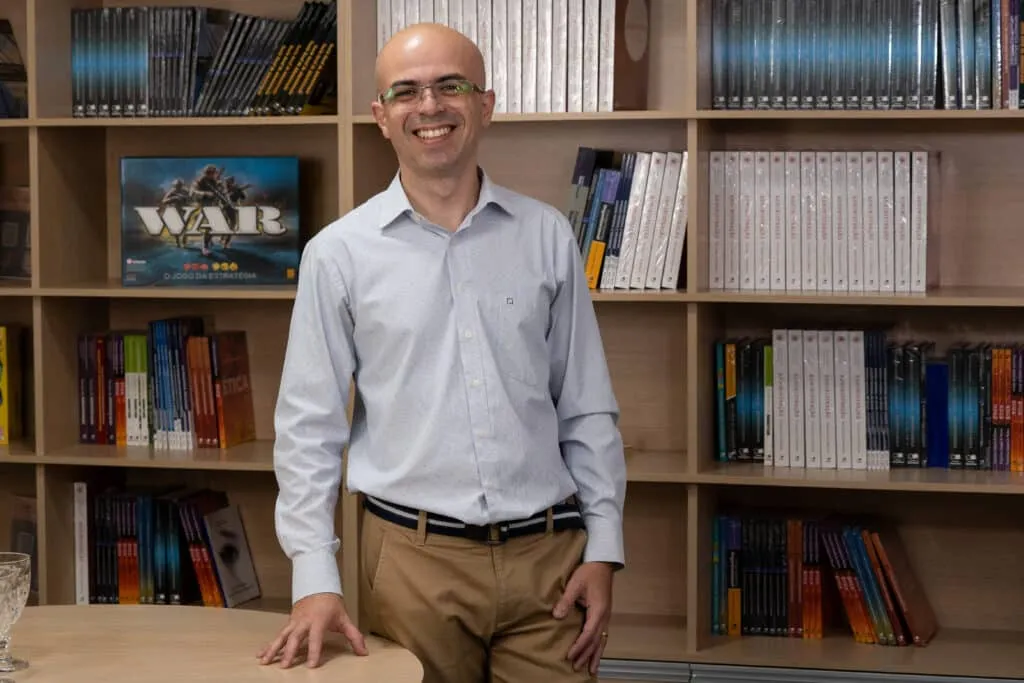
Professor Anderson Smalci shares his vision and experience from behind the scenes of classes at Fapuga. Besides classes being on campus, Anderson highlights the college’s methodology in its use of technological resources around the class, that is, a method with pre- and post-class content on each topic.
Using the Virtual Learning Environment, Fapuga students have access to material designed to spark interest, like a teaser for each class, with a video produced by the professor of each subject, part of the slides that make up the class, and whatever else the professor proposes as an activity, including case studies and, as Anderson stresses, an analysis of one’s own experiences in order to understand the content in practice.
“I usually work with the following approach: I post a case study in the virtual environment, and I ask the student to develop that case study using all the classroom material, the theoretical questions, and adding their own experience, because there is nothing better than students being able to align theory with practice, with their experience,” says Professor Anderson.
Thus, the classes in the Business Administration and Hospital Management programs are not limited to the classroom environment, but include an invitation to look at practice, both in the workplace and in other settings that are organizational in some way.
This is because, as the professor is also keen to remind us, not all students can observe the concepts at work, because some of them are looking for opportunities in the market. In those cases, however, Anderson recommends looking at other organizations they have contact with, such as their own family, for example.
The most important thing is to be able to see the applicability of the discoveries presented at college, and to establish exchanges capable of building a truly robust background to deal with the situations that will arise in everyday work.
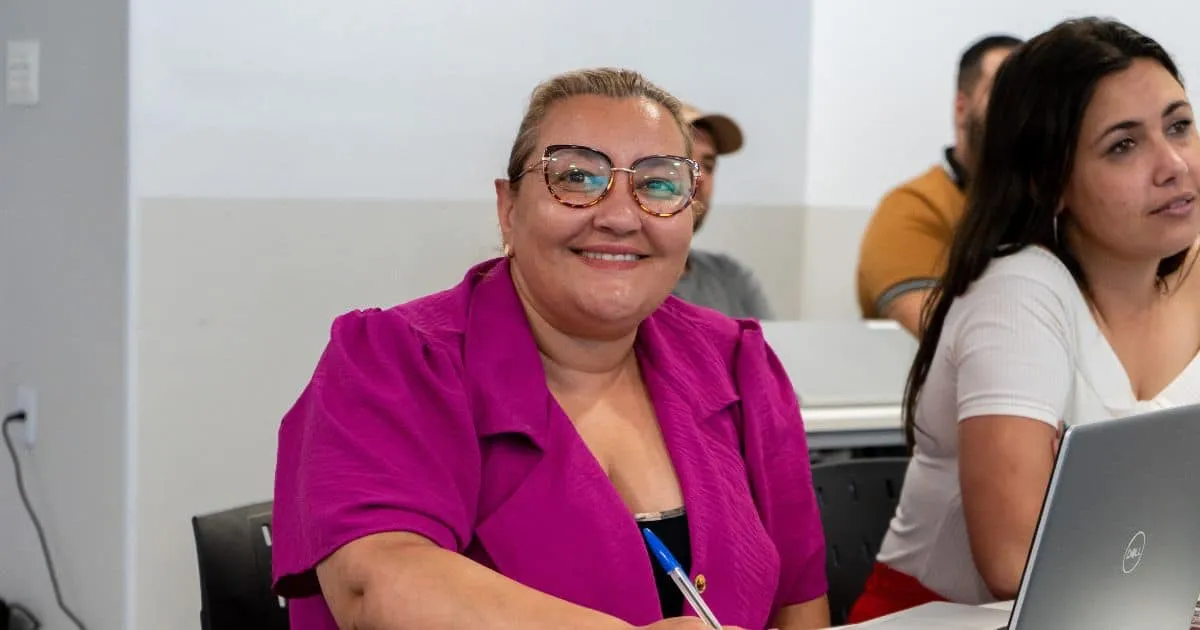
And students often report how they have been able to apply management concepts learned at Fapuga, both in their personal lives and in the workplace, especially when it comes to organization.
“It is then an exchange of knowledge: in each class, we build new knowledge, and I always tell the students: the best class is the one that ends tomorrow, there at the company. The idea is that students never finish the class when we say good night, rest well, but that they can take that class with them on the way home, that they have the chance to talk to people at home about the class, and also take that class to the company [where they work],” the professor adds.
The college methodology is like a laboratory
The classroom is a laboratory, but a laboratory where you are free to make mistakes, raising questions and problem situations that, outside the more controlled environment of the classroom, can be decisive moments in one’s own career, moments when there is not as much room for error.
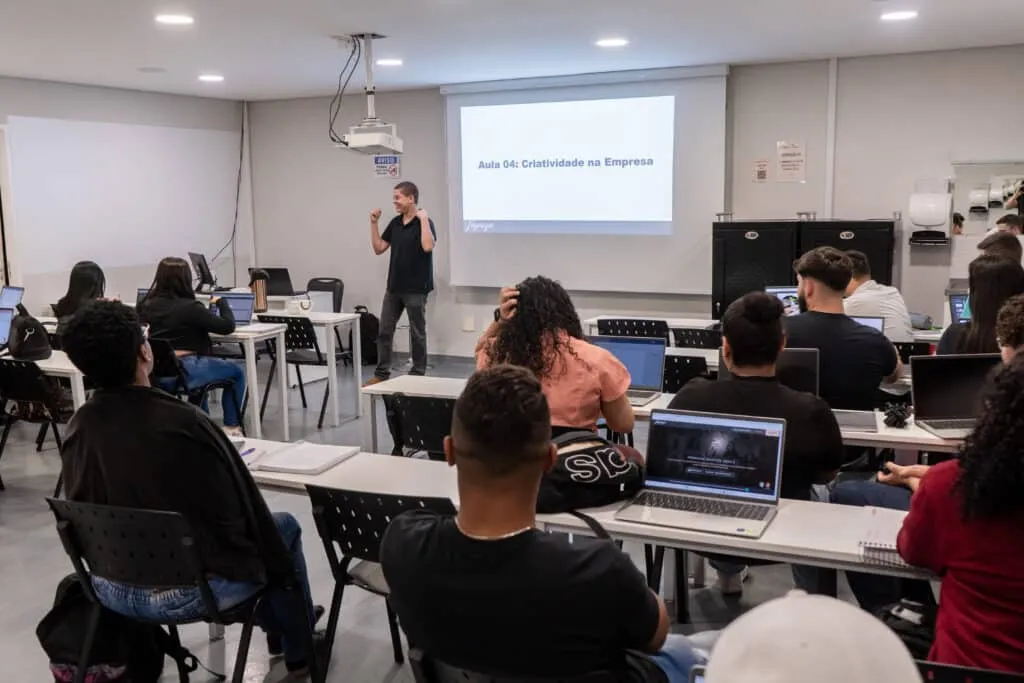
Anderson Smalci teaches Professional Ethics, Organizational Behavior, and Basic Accounting. The first two are the ones most closely related to the behavioral aspects of learning and professional experience, also known as soft skills.
The perspective the professor lends us is that a professional may lack certain technical skills, but many of them can be developed in people who know how to communicate, how to work in a team, who are interested and open in the environments where they find opportunities; this is one of the greatest assets for anyone who wants to be a good professional.
See also
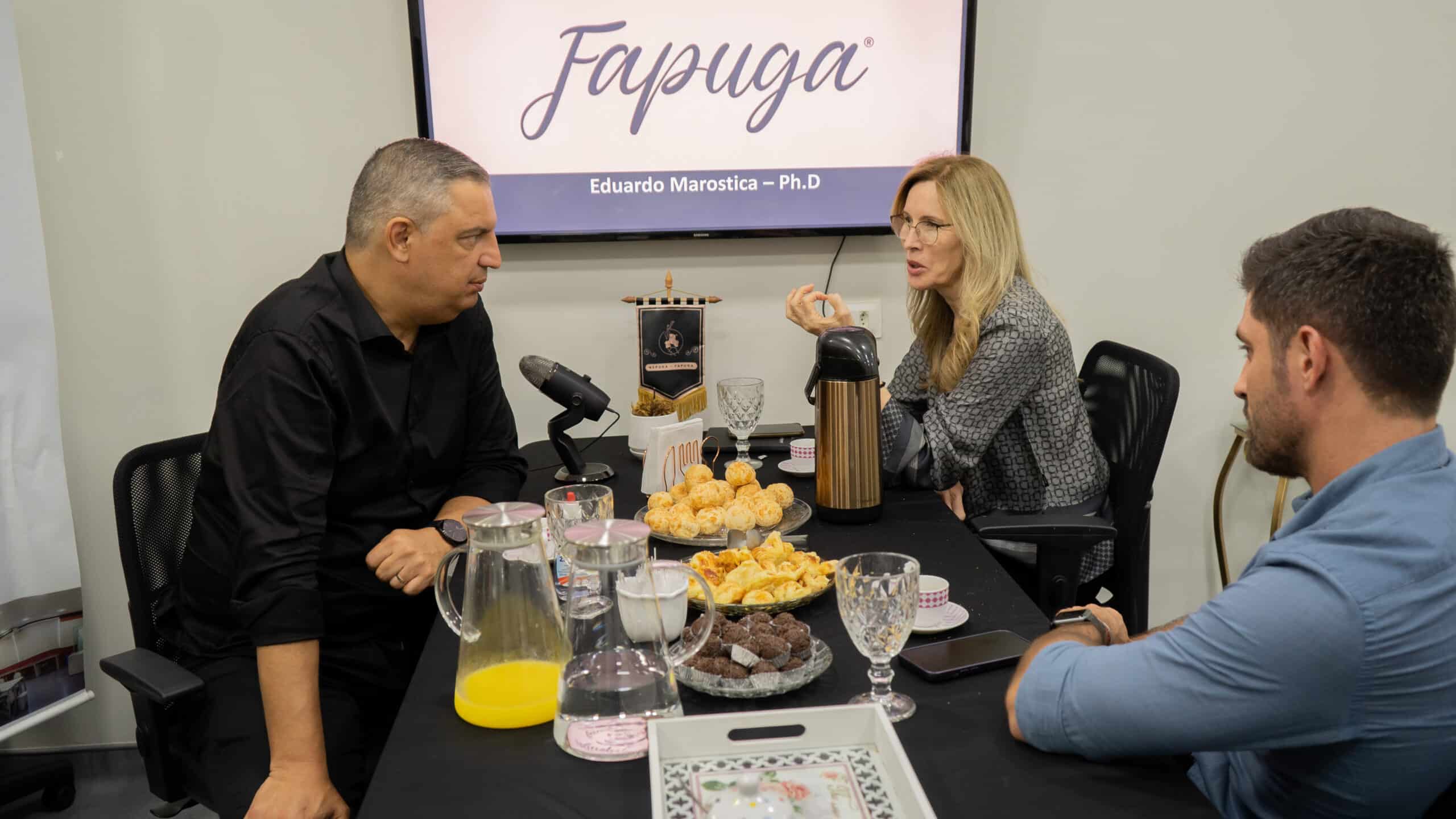
In the most recent episode of the Fapuga Podcast, students from the Business Administration and Hospital Management programs chat about career development, showing how the college’s methodology inspires them to apply the knowledge they are developing.
#3 FAPUGA PODCAST – How did I end up in this profession? Business Administration and Hospital Management