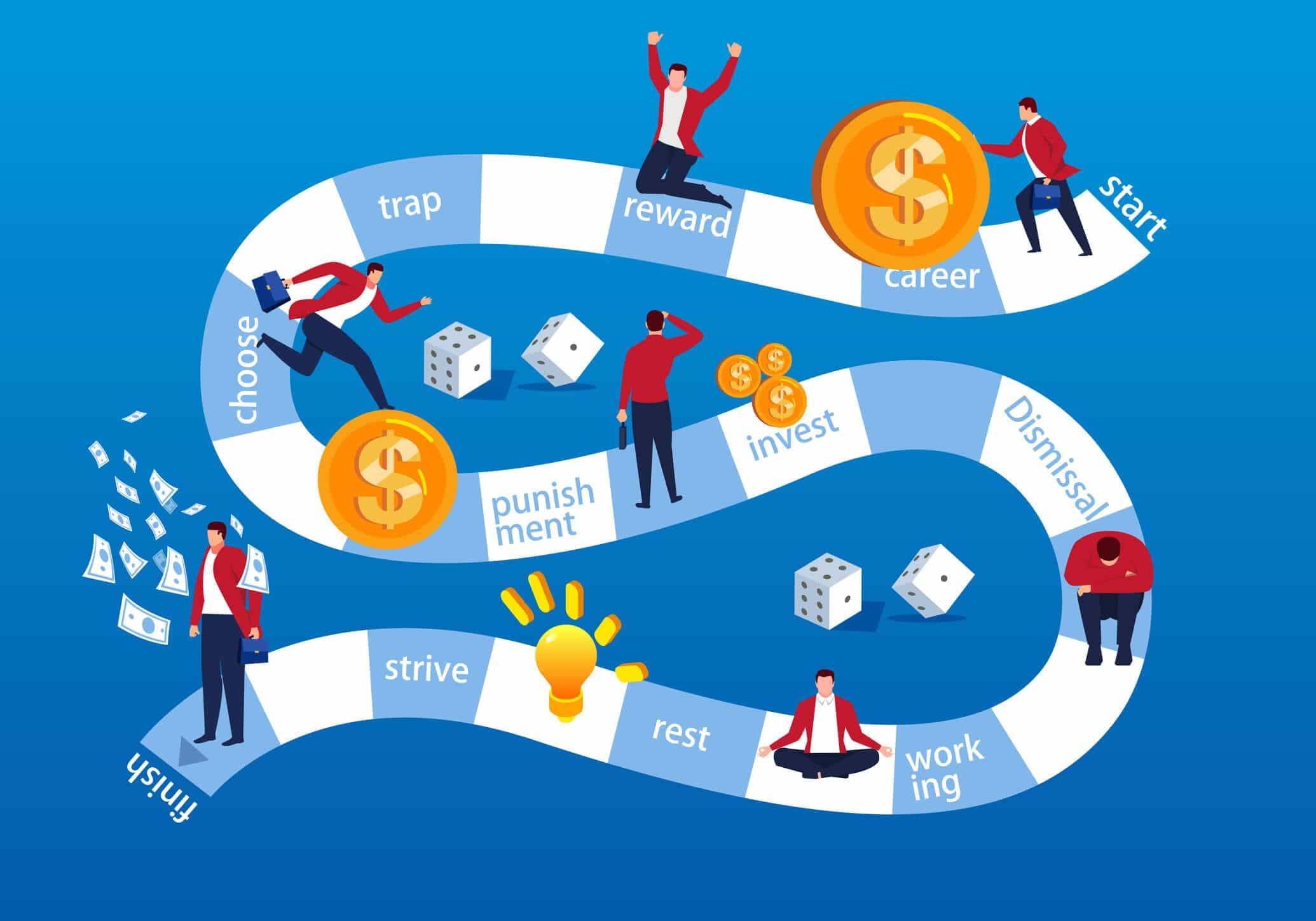
When it comes to technology and games, not everyone knows what it is about. But it is much simpler than it seems. Below, see which companies use gamification and why they do it, in ways that benefit the brand in several respects.
The idea is that this concept of having more dynamic and playful software, programs, apps, or systems creates connections that result in higher productivity and other advantages. You will see that the largest companies in the world use gamification. Check it out!
1 – Starbucks
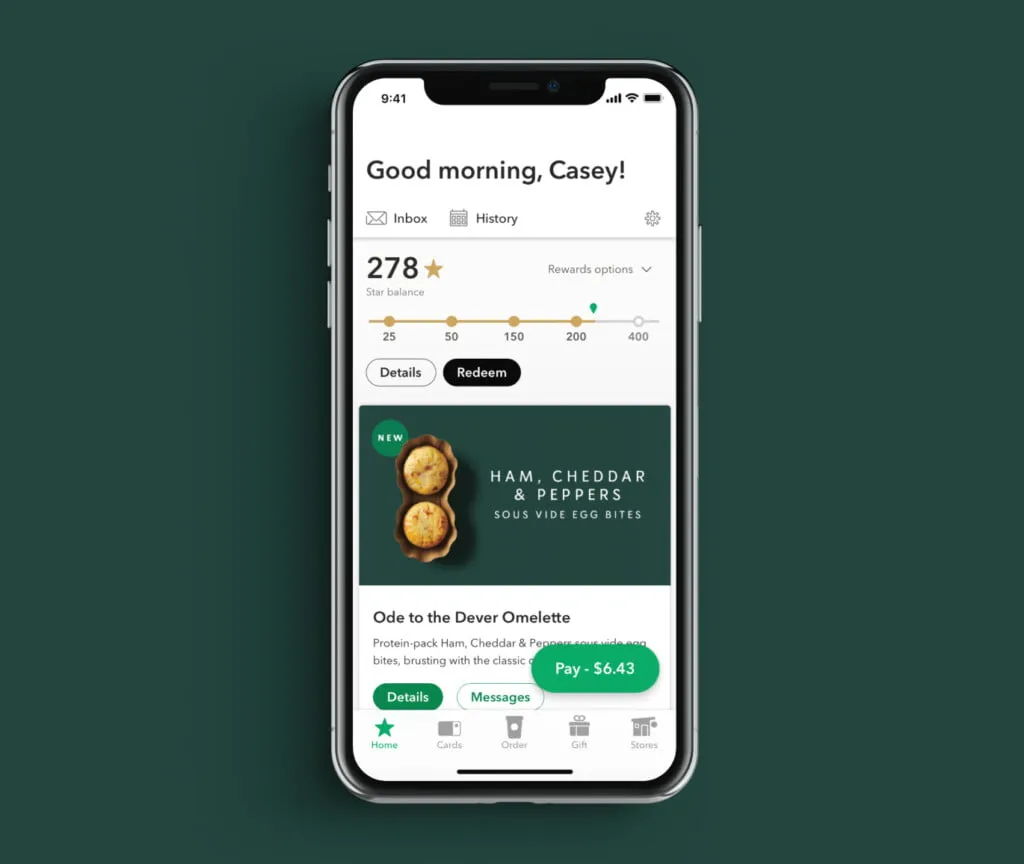
On the topic of which companies use gamification, this is one of the best examples you will read in this article, because Starbucks created a system that benefits consumers and not only employees, as most other companies do. We are talking about Starbucks Rewards.
It is, therefore, a type of game that generates stimulus in customers. The loyalty program works through points, and there is a dedicated app for it. So, the more a person spends, the more benefits they get.
Over time, this became a very basic and simple way to see how gamification can generate incredible returns for those who invest in it. One of the results is that people keep buying at Starbucks stores in exchange for rewards.
2 – Nike
The sporting goods leader is always on the list of companies that invest in innovation and is on the list of which companies use gamification. Many people have probably noticed this, because it has one of the most downloaded apps on Google Play and the App Store, the Nike Training Club.
The idea was to use a program based on gamification to encourage everyone to engage in physical activity. Of course, with its success, the app now also has subscription plans, but you can use it for free, without paying anything, on the free plan.
So, as the person trains and uses the posted videos, they gain the chance to share this with other people. Over time, it is possible to see a kind of progress history in the workouts, focused on sports such as street running.

3 – L’Oreal
It is the largest cosmetics company in the world, L’Oreal. And it embraced the idea of games in the company in pursuit of several benefits. The focus was to improve training and direct communication with beauty consultants around the world.
So, the company has an app accessible to everyone. The app lets employees connect in search of the best online experience. Throughout the levels, they can accumulate points and rank themselves on a kind of leaderboard.
One of the highlights is the battles option, which sparked the interest of many new L’Oreal employees. This is because it is a kind of head-to-head contest in which players need to reinforce what they have learned about the brand and its products. See more about which companies use gamification!
4 – Domino’s Pizza
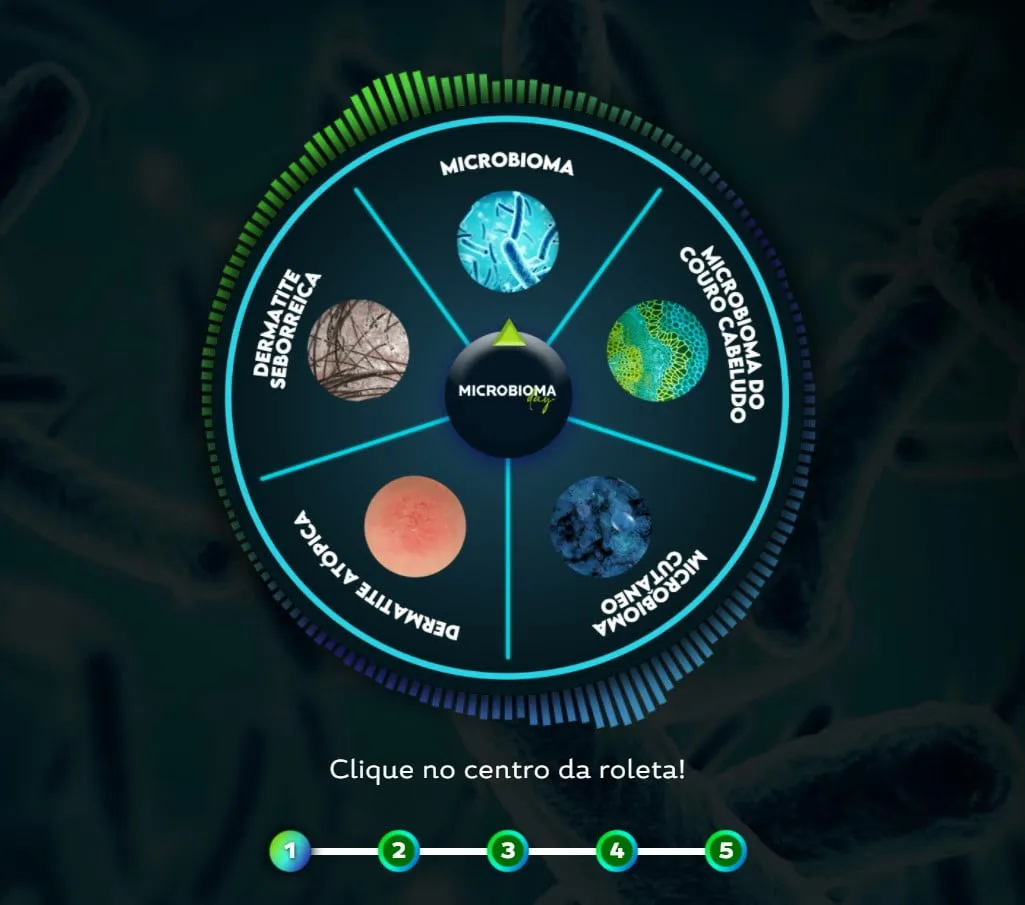
Domino’s Pizza is very well known in Brazil, with stores all over the world. The international fast food chain had the idea of using games to keep its employee team motivated. How? Through an app called Pizza Maker.
It is nothing more than training built on online simulations that aim to engage Domino’s Pizza’s internal team. There is a later assessment with rewards sent to each player.
Those who add up points over the days show greater learning on topics related to the brand, the commercial strategy, and so on. Today, the app is seen as an educational way to specialize in a given subject.
5 – Bluewolf
This is an international company that is not as well known in Brazil, but it has a success story worth mentioning here, since it answers the question of which companies use gamification.
Based in the United States and in the management consulting field, the idea behind the games was to increase community engagement on the internal social network, which later became an idea for external networks as well. So, all that needs to be done is to interact.
Thus, employees who post videos, leave comments, and create any kind of content on blogs and other social networks earn points. The result was direct: Bluewolf saw a 57% increase in community engagement.
6 – Santander
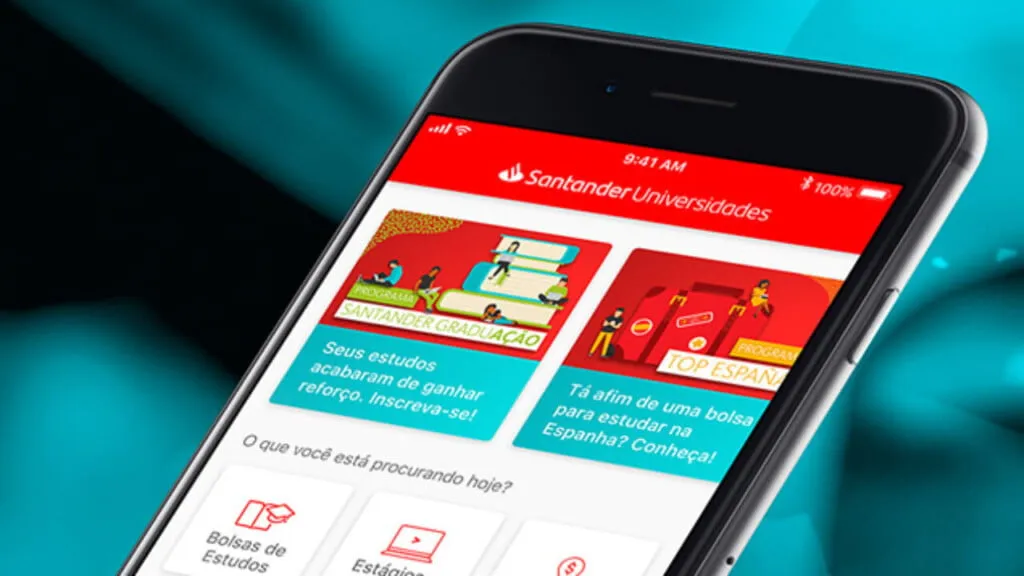
Santander is one of the largest private banks in the world. And it has a program called Santander Universitário. What is the idea? To invest in education through scholarships at several institutions around the world. It works as an incentive and has worked very well.
The fact is that a few years ago, Santander began using gamification in the selection process for those interested in this type of educational benefit. So, through games, rankings, and other online activities, participants move through levels and qualify.
In one of the final stages, like the end-of-game boss, there are 20 scholarships available for the top-ranked participants to study in an entrepreneurship course at Babson College, in Boston (the number of scholarships varies each year).
7 – Siemens
Well known for launching cell phones, Siemens is much less famous today than it once was. Even so, the group is very large and operates in several sectors, such as renewable energy production, a trending topic right now.
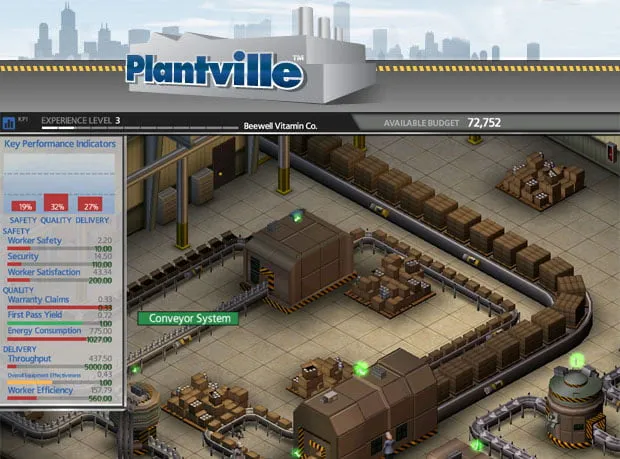
When it comes to gamification, Siemens innovated by creating and rolling out to its employees an online game called Plant Ville. Its purpose is to spread information about manufacturing processes.
One of the differentiators is that everyone makes decisions, just like those in the company’s highest positions, such as managers and directors. Several issues are covered, especially energy efficiency and people management.
8 – Google
Google is a company that always appears on the list of those that innovate the most in processes, and it is no different when it comes to which companies use gamification. In practice, they created a game program to encourage employees when it comes to expenses.
The idea is that they can report travel expenses and, if they do not spend their entire allowance on those days, they can choose from a few alternatives. Among them: receive the money in their next paycheck, save it for the next trip, or donate it to charity.
The concept uses gamification to be appealing, and this had an excellent result: 6 months after the system was implemented, the employee acceptance rate was 100%.
9 – Ford Motor
Everyone knows Ford Motor, the carmaker that has outlasted the years and always remains one of the world’s top names. One of the reasons is that it invests in technology, trends, and, of course, gamification. The most recent initiative was to motivate salespeople.
It is easy to understand why: every year, Ford launches new car models. So, salespeople need to be attentive to tell them apart, as well as the points that can be strategic for sales. That is where the game comes in!
What the company did was create a game so that all sales teams could get to know the new car models released on the market better, as well as services such as financing. After the implementation, Ford saw an increase of more than 400% on social media and portals.

10 – Deloitte
Several companies could be on this list, but we chose to finish with Deloitte because its story is quite interesting. What it needed was to keep its leaders, such as directors and managers, more motivated about internal processes.
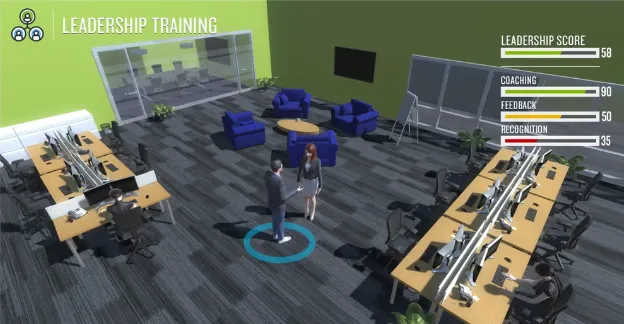
So, it bet on the game to measure and highlight the most engaged. To do this, it used the following strategies: ranking and rewards, the use of missions, and the idea of leaderboards. Thus, across several areas, executives competed to become experts.
The gamification solution brought great returns for Deloitte, which answers the question of which companies use gamification today. For example, in addition to motivating executives more, it also reduced average training time by 50% and increased course enrollment by more than 45%.
Is It Worth Using Gamification in Companies?
As we saw in the cases about which companies use gamification today, keep in mind that using this type of technology to motivate employees and connect people in your network is nothing new. Now, what motivates them to invest time and money in this tool?
For example, making the relationship and communication between people more dynamic, designing better user experiences, creating good technological support for the group, ensuring extrinsic motivation through rewards, and much more.