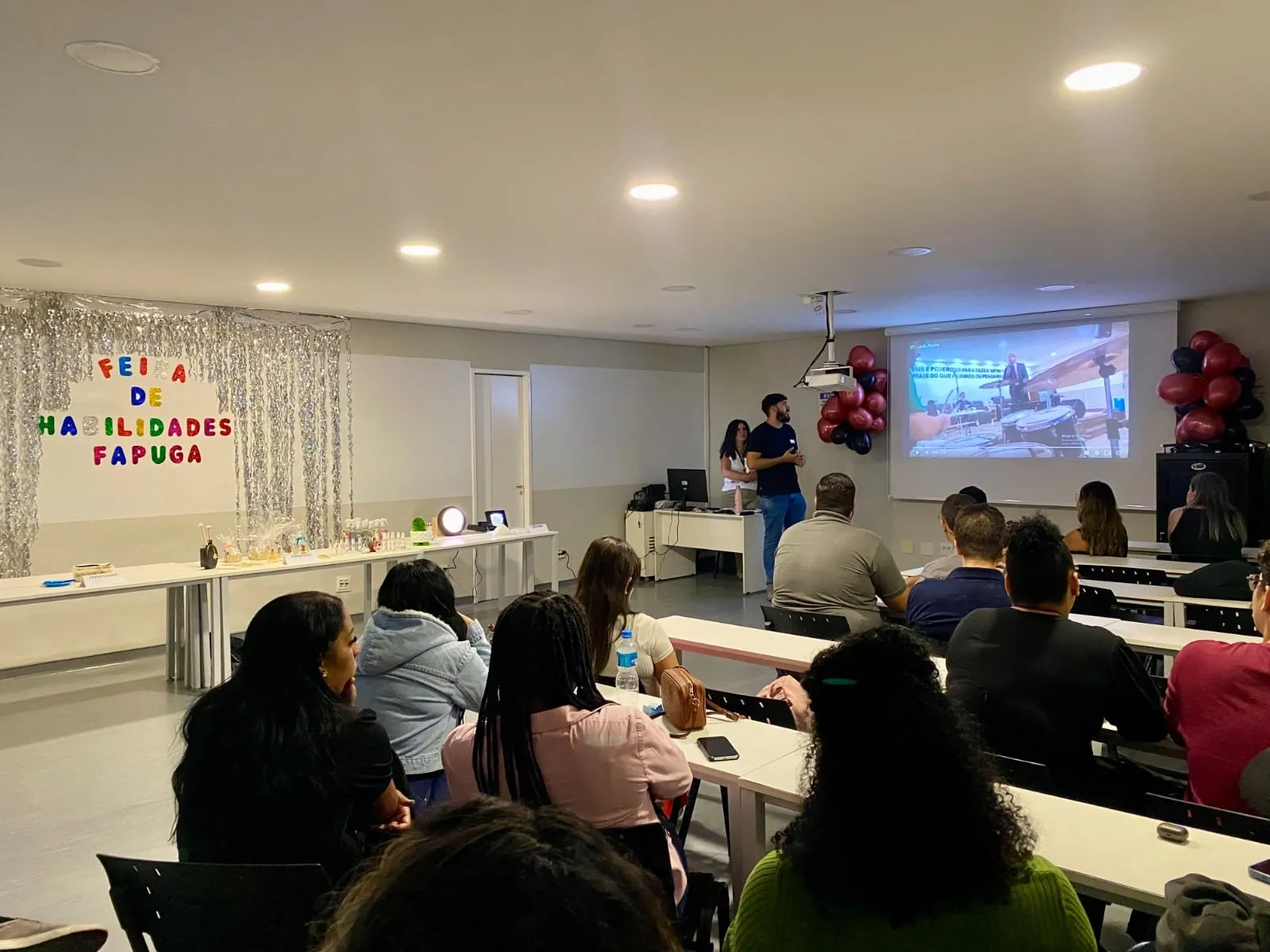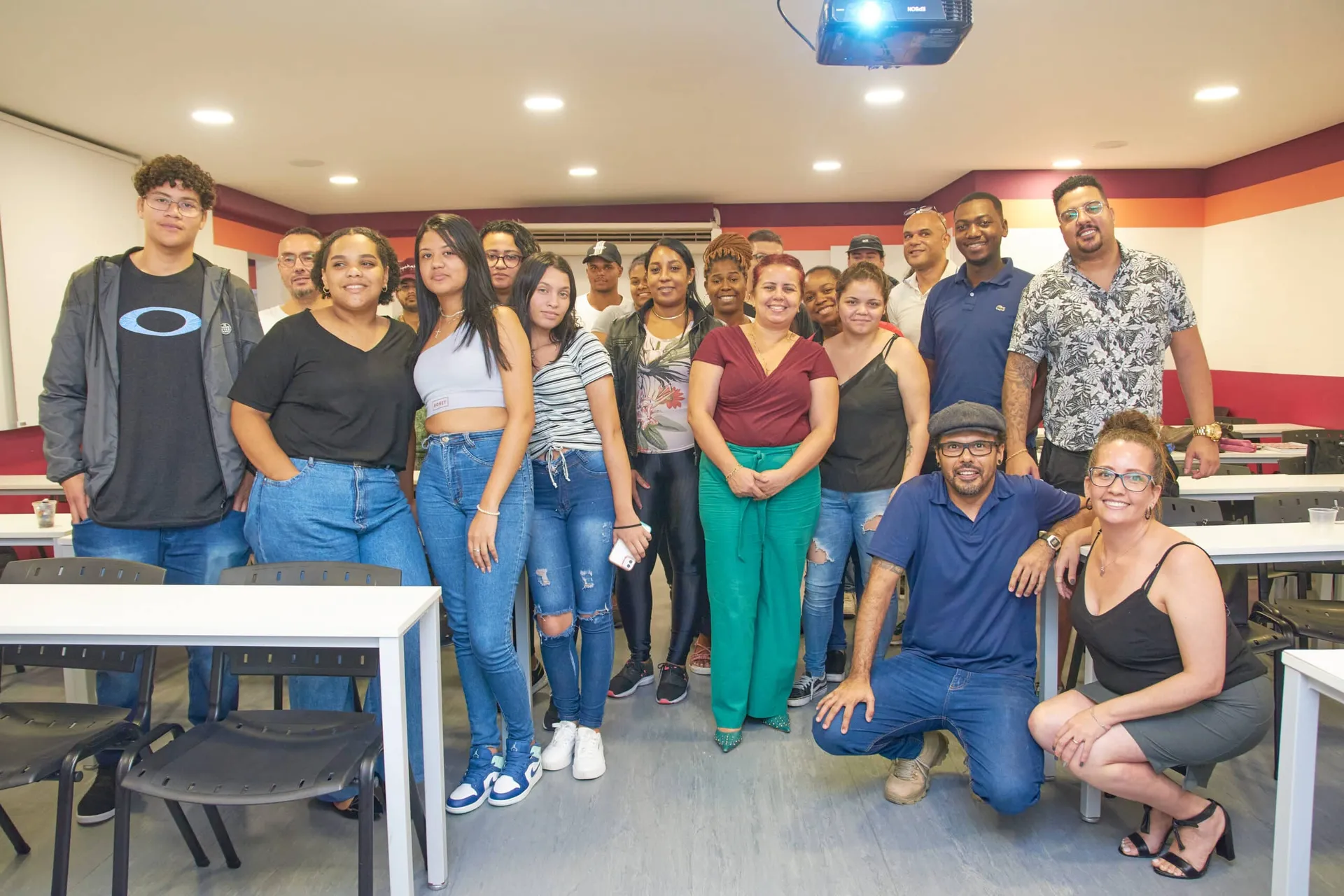
Is it possible to start a business with few resources? Businessman Wagner Marcelo promises to answer this question as he begins the lecture on the topic “QR Code: Adding Value to Business.” What seems implausible at first is developed throughout this presentation on the basis of a great deal of market experience, bringing Fapuga students closer to market practices and opportunities.
The lecture was held this Tuesday (21) and was moderated by professor Gislene Souza, who teaches the courses Management Information Systems and General Theory of Administration.
Registrations are open for the lecture series at news.fapuga.edu.br/eventos/.
What is missing in Brazil’s entrepreneurial culture
To give a real sense of the market, Wagner shared his own experience, from the perspective of an entrepreneur and educator in the field with notable achievements, able to inspire the professionals in training who were able to attend the event.
He highlights some characteristics he sees in Brazil as points that could change for the better in the country’s entrepreneurial culture. For example, he notes how common it is that we do not know Brazil’s great entrepreneurs, who could inspire us more and, who knows, we might even get in touch with them.
After all, if we are at a conference or some other event and run into these people, we may not take advantage of the situation, and the extremely valuable networking contact is an opportunity that is lost. Or you do not even need to get to that kind of opportunity, since exchanges like this can happen at any time virtually.
At one point, professor Gislene even added, speaking about how many people who are references in entrepreneurship like to talk with students, with people who have the interest and humility to learn, to seize new opportunities, and the courage to innovate.
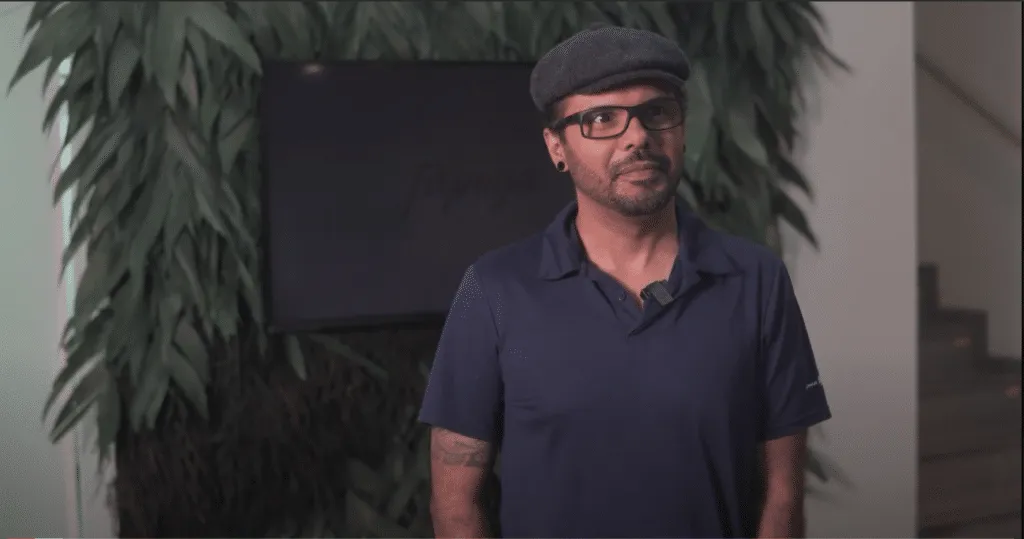
And it really does take a lot of courage to start a business. Wagner points out that it is a courage that also demands a lot of analysis, but mainly a lot of perseverance, noting that it takes about 9 years for a business to truly establish itself in the market.
Another gap Wagner notes is in training in the field of entrepreneurship. For that reason he was part of the founding of Cultura Empreendedora, which promotes meetings of young entrepreneurs focused on exchanging experiences throughout Brazil.
Cultura Empreendedora has been a reality for at least 7 years, during which Wagner has seen, and still sees, in practice how collaboration among people with different backgrounds and training can help bring ideas closer to becoming reality.
So another valuable tip is to look for that collaboration, since it is very hard to feel truly ready to put a project into practice. Waiting for the perfect moment can be a waste of time for the entrepreneur.
It is possible to start a business with few resources
Basically, creativity is the way out when starting a business with few resources. A creativity that is attentive to the possibilities the market has to offer, to the entrepreneurs who are references, to the available technologies and to how all of this can be used, valuing the particular characteristics of the agent with an entrepreneurial profile.
At the end of the lecture, Wagner also listed some companies that can help finance creative solutions. The answer to the initial provocation had already helped inspire the students present at the lecture, but mentioning these institutions makes the answer even more achievable, highlighting Eqseed and Ignitions Inc, as well as the institutions Finep and Fapesp.
But wasn’t the lecture about QR Code?
Not waiting for the right moment can be a cue to talk about how QR Code has everything to do with this.
Wagner says that the technology, developed in the 1990s initially for use in industry, began to be incorporated in Japan years ago for the most diverse functions; noticing this, he thought “why not try to implement it here too?” and, even though colleagues initially discouraged him, he believed in the idea and moved forward.
Today, QR Code is part of Brazilians’ lives almost routinely, and it helps with payments, makes it easier to access different internet addresses and, with creativity, can be used in different ways very efficiently.

But the application was going to reach Brazil anyway, Wagner’s colleagues said; the lesson here is that, knowing this, he still believed the application could bring innovations and meet demands.
Following this belief, E-lemento was founded, which provides a service for creating custom QR Codes and today has other large companies as clients.
You see, the point here is not necessarily to reinvent the wheel, but to perceive the potential it has. How a product or service can be used creatively to meet market needs. That is where the answer to Wagner’s provocation at the start of the lecture comes from.
The lecture series
This was only the first lecture of this series, just the first meeting with professionals who are market references on different fronts, with the aim of bringing students closer to the market, far beyond training that is limited to being theoretical.
In addition, the event is not restricted to students, but is open to anyone interested. Access to the content and the networking exchanges in a learning environment also give a certificate to all registered participants, and count as complementary hours.
This and other events can be found in the Events tab.