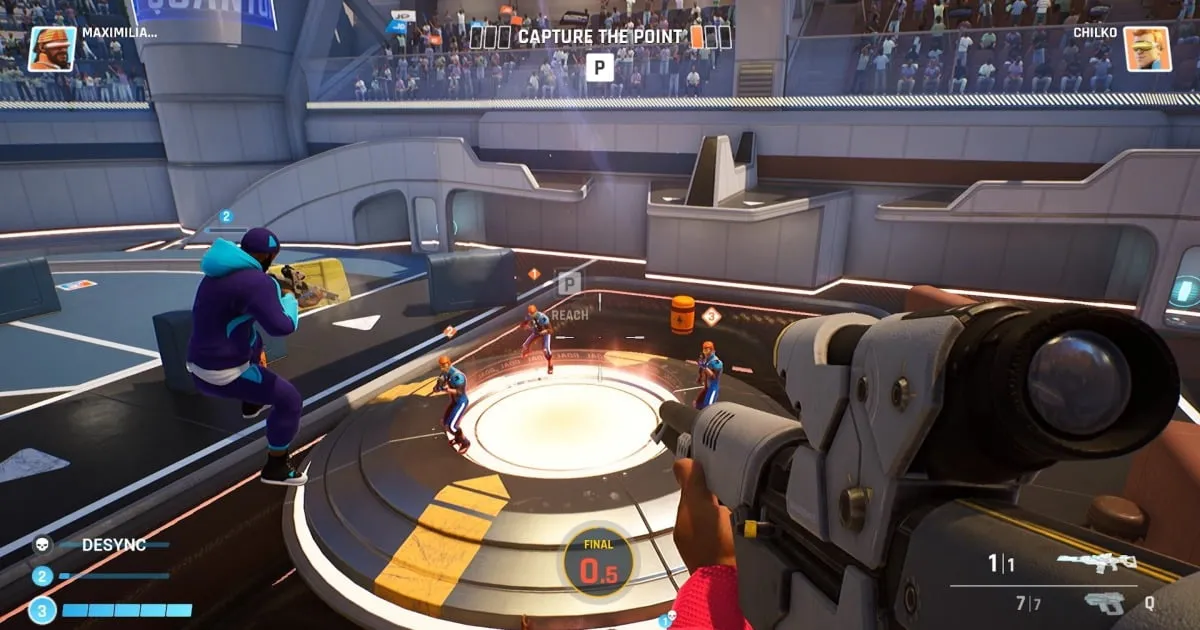
The relationship between types of games and soft skills
Academic and business circles are increasingly trying to understand how video game players intuitively develop numerous soft skills (behavioral skills a person uses in carrying out daily activities).
These are the qualities or skills that are so desirable on résumés and in professionals. For example:
- Cognitive flexibility,
- Communication, and
- Stress management, among many others.
One of the most widely accepted hypotheses today is that there is a relationship between different types of games and types of soft skills.
In other words, for each type of video game, a certain group of qualities is developed more or less.
The best types of games
The development of behavioral skills depends, broadly speaking, on the kind of interaction players usually have in these video games.
Moreover, it is reasonable to assume that someone playing Counter Strike (a shooter) develops a different group of qualities from someone playing Candy Crush (a puzzle game).
For example, leadership actions alongside team members are very different from the actions needed to solve a puzzle.
It is well known that the actions performed during matches of different types of games can be quite different.
Achievements
This article seeks to analyze some of the most recurrent video game actions according to their type, explaining their differences in general terms. Finally, it tries to establish a hypothesis linking types of games to the behavioral skills (soft skills) that are practiced.
This hypothesis was previously studied by Barr (2017), who found that playing video games can contribute to the development of skills such as communication, adaptability, and initiative.
To test how much practicing a given type of video game contributes to developing soft skills, we use “Achievements.”
Training
Considering that playing a video game requires performing a set of actions under rules, guidelines, and objectives.
Therefore, given the need to use skills to correctly perform a series of actions “packaged” into an Achievement, and by assigning some quantitative values depending on how complex it is to obtain, we can measure the training of each skill.
Thanks to the xBadges project mentioned above, we developed a methodology that allows us to establish a direct relationship between video game Achievements and soft skills training. To earn an achievement, you need to carry out a series of actions that require the use of one or more soft skills.
Communication
For example, to earn the “Mercy Rule” achievement (eliminate the entire opposing team without any losses on your own team) in CS:GO, you need to establish good communication with your teammates.
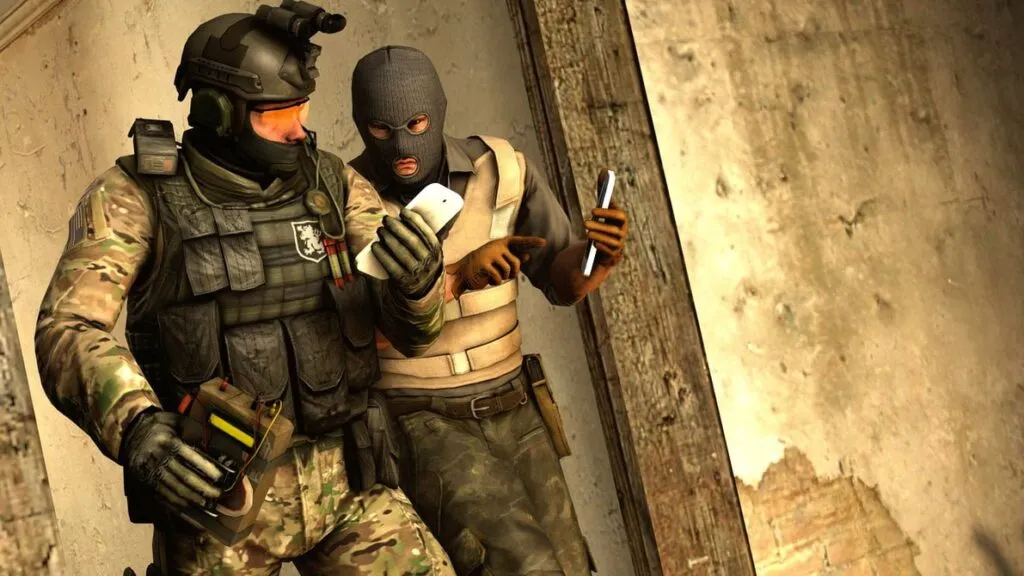
It serves to know where the enemies are and how to defend your position by working together; we believe you will be training teamwork and coordination skills, among many others.
Soft skills across genres for the different types of games
To improve our technique for assigning Skills to Achievements, we thought that dividing video games by genre could help us a lot.
Why? Because video games are divided into genres and these groups share a series of gameplay modes and characteristics, these can translate into actions performed in very similar ways.
Game based learning: 3 reasons to encourage online games at work
In this case, we would have very similar interactions and, probably, similar achievements as well, depending on the types of games.
For example, a player who plays soccer games is developing almost identical skills to another player who uses an alternative franchise (that is, one player using FIFA and the other playing PES).
Perhaps the only notable differences lie in the fact that they have their own Achievements, but playing a number of hours will train these skills in a very similar way regardless of which one is played.