After almost two years living in a pandemic caused by Covid-19, the challenges brought by the situation are still present in the lives of many people, especially university students and faculty.
For the education sector, it was a time to reprogram the way teaching is delivered and to think about how to deliver content to students. But Fapuga’s main goal was not just to get materials to students, but to make sure classes were, in fact, effective.
It was a challenging period, but with the commitment and dedication of the entire university community, the obstacles were overcome and the progress of students and faculty during the pandemic was clear at the institution.
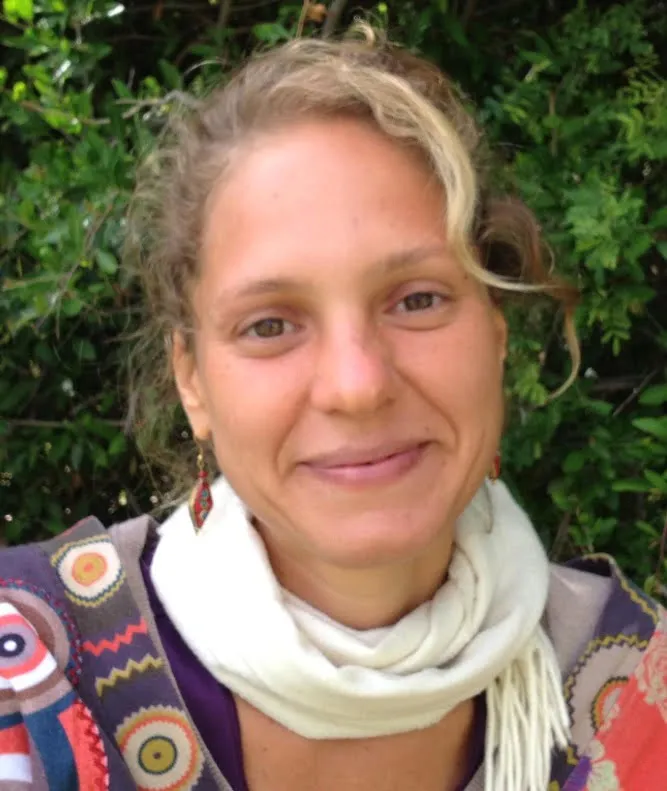
Candice Ermel, a professor of personal and professional development in the Business Administration and Hospital Management, programs, was the coordinator of the ADM program over the past two years and talked about her experience during this period.
Processes of change
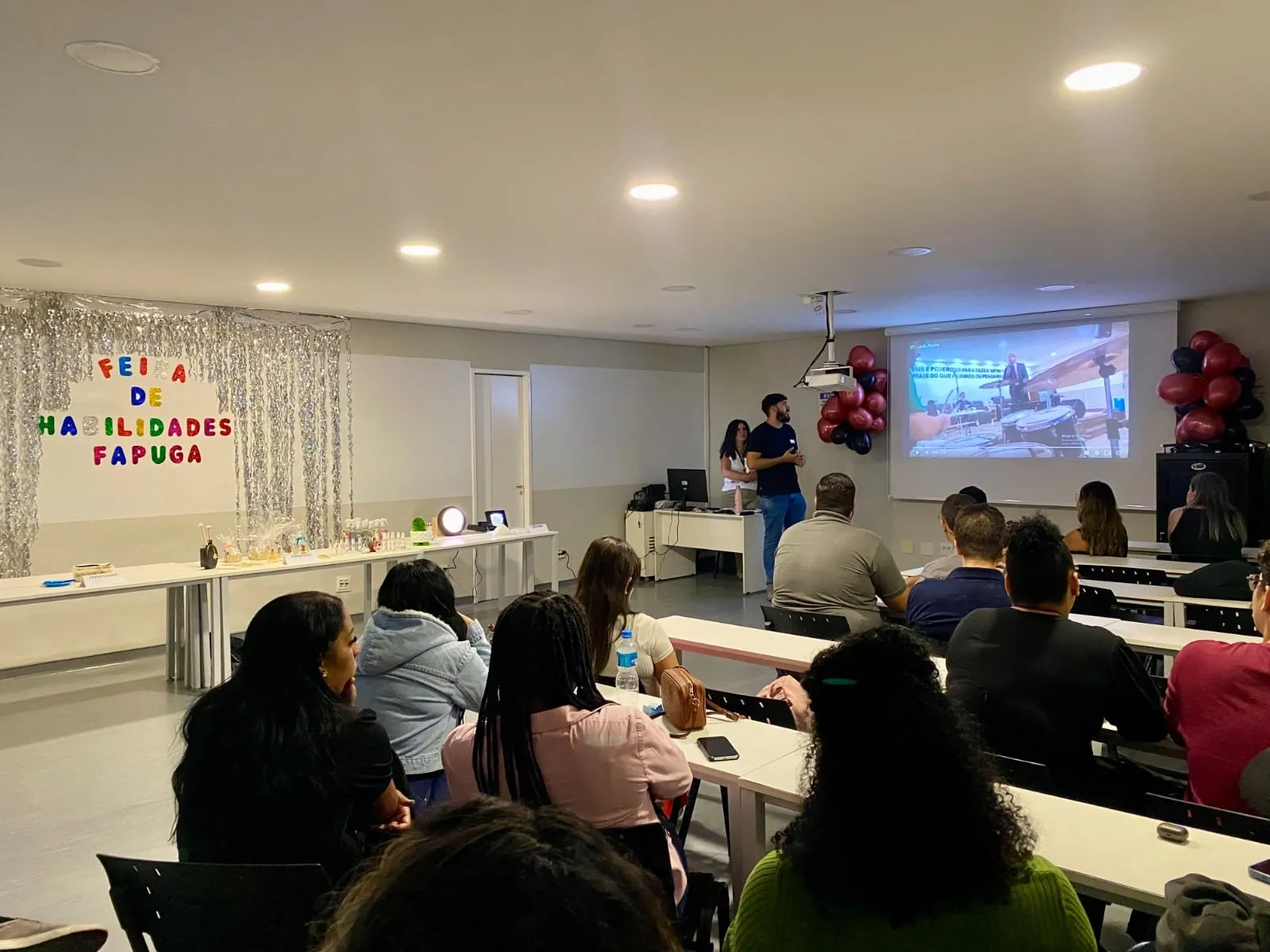
A completely new moment called for a different and innovative approach. The pandemic brought the distance learning (EAD) scenario to the reality of students who were already used to the in-person teaching format, with its daily closeness.
In light of this, it was necessary to reprogram the class model so that students could absorb the content, rather than simply having materials handed over any which way.
In addition, Candice says she noticed that some students arrived tired from work at the end of the day, and that being online watching a class requires more attention than in a classroom.
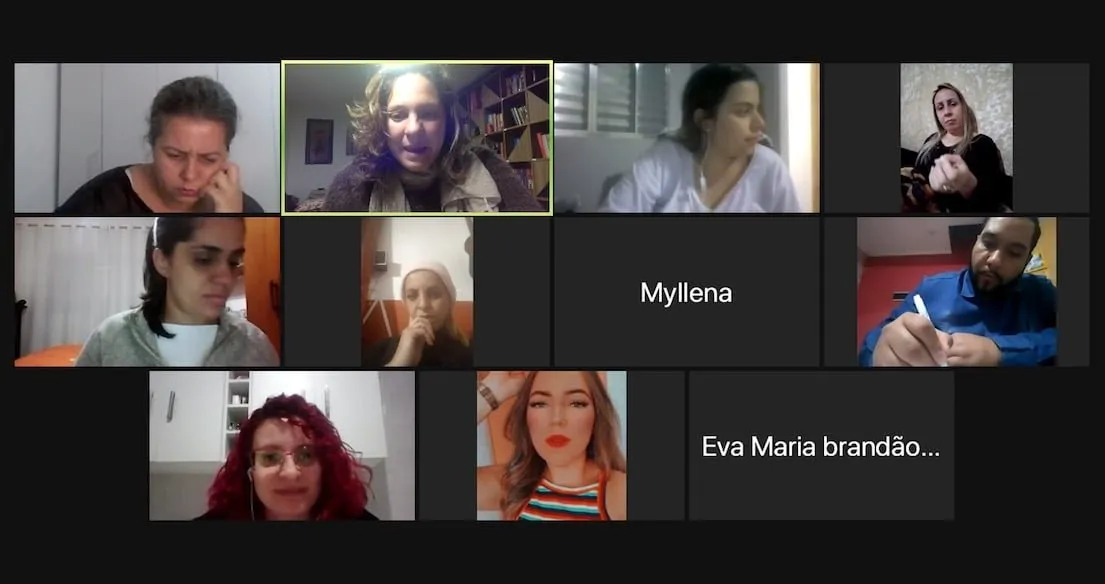
“Among the adaptations, we had to create a shorter class format, we kept trying to do more participatory activities and, in the end, we realized that the more interactive it was, and in groups (we managed to split the Zoom rooms into small groups), the more dynamic it became and the much better the class format got,” Candice explains.
Decentralizing the content from the professor to the student was also a way to get students to participate more in classes.
“Now they bring the content, present it, share what they’ve learned. And, at the beginning, when I had them develop the content, it brought a bit of insecurity, because it changes the initial format in which only the professor provides the content. And their feedback and growth were far greater working this way.”
Challenges
There were many challenges to overcome, but the professor points out that, as far as students were concerned, she noticed that the biggest one they faced was dealing with the reality inside their own homes.
“It’s usually an environment where they can’t concentrate as much, because there’s always family movement around them, and that helps scatter their attention. On top of that, there’s the issue of unstable internet itself, which often gets in the way,” she explains.
And for the professor, the challenge was precisely this: keeping students focused, present, and engaged.
Student progress during the pandemic
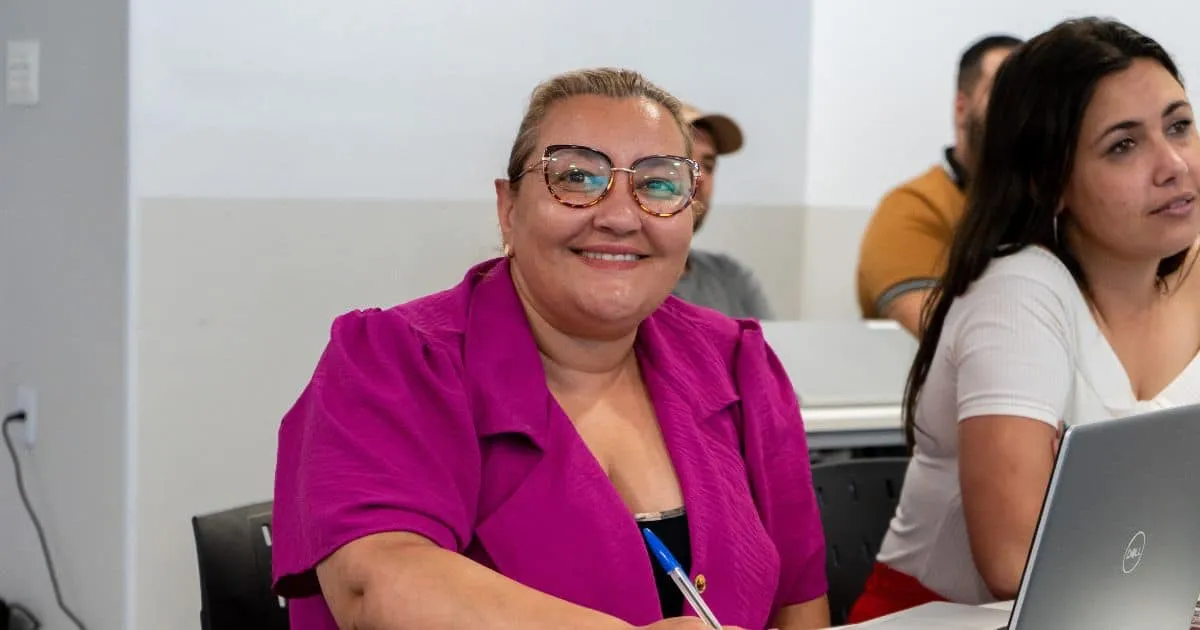
Many students arrived lost, not knowing what the online system would be like; others hadn’t studied in many years and had no contact with the school environment. Given this, it was necessary to work intensively on, and focus on, each person’s personal development.
By looking in a unique way at their talents, strengths, skills, and the points they needed to improve in order to adapt to the new system, it was possible to transform students’ outlook on the moment.
“Their progress was clear in several respects, from attendance, concentration, and promptness in turning in assignments, and it was very beautiful to see each person’s transformation,” the professor says.
Teaching during the pandemic
Candice says it was challenging, since they came from a teaching approach and a pace that was very close to the student. And along with the pandemic came doubts and insecurities, which affected the resumption of classes at the beginning.
“I think little by little we adapted to the online format; besides that, one important thing to point out is that the subjects we covered were always of interest to them, especially in my subject, personal and professional development, a topic that is really engaging even from a distance,” she recalls.
But the desire to have a degree and be part of that world worked as a push to understand the various activities proposed by the professors.
For the job market
And speaking of the job market, Professor Candice points out that each student has different ambitions and personal and professional projects, and that they are all hard workers with the potential to achieve their goals.
“They take the opportunities they have today, but they are working and developing toward other paths. Each one has their dreams, and some can be achieved in a shorter time. I have students who want to have their own business, others who want high positions at big institutions, but the important thing is that everyone is moving and developing,” she says.
Expectations for the future
In person! Even though the adaptation to the online format was successful and student progress during the pandemic was clear, they still miss being together.
“We recently had a meeting with the new coordinator and everyone said they want more in-person classes, to share ideas and to socialize,” she says.
The professor also stresses that, in the future and with more freedom to act, they will be able to structure and evolve Fapuga’s methodology. The format stands out for its more practical, active, interactive, and dynamic focus and a more individualized view of the student.
“The philosophy is geared toward more practical execution, toward working in the job market, and toward the student’s development, and that is our differentiator. So I hope we can make this point more structured, communicate it, and attract more and more students to develop cool projects, starting from the potential of our team.”