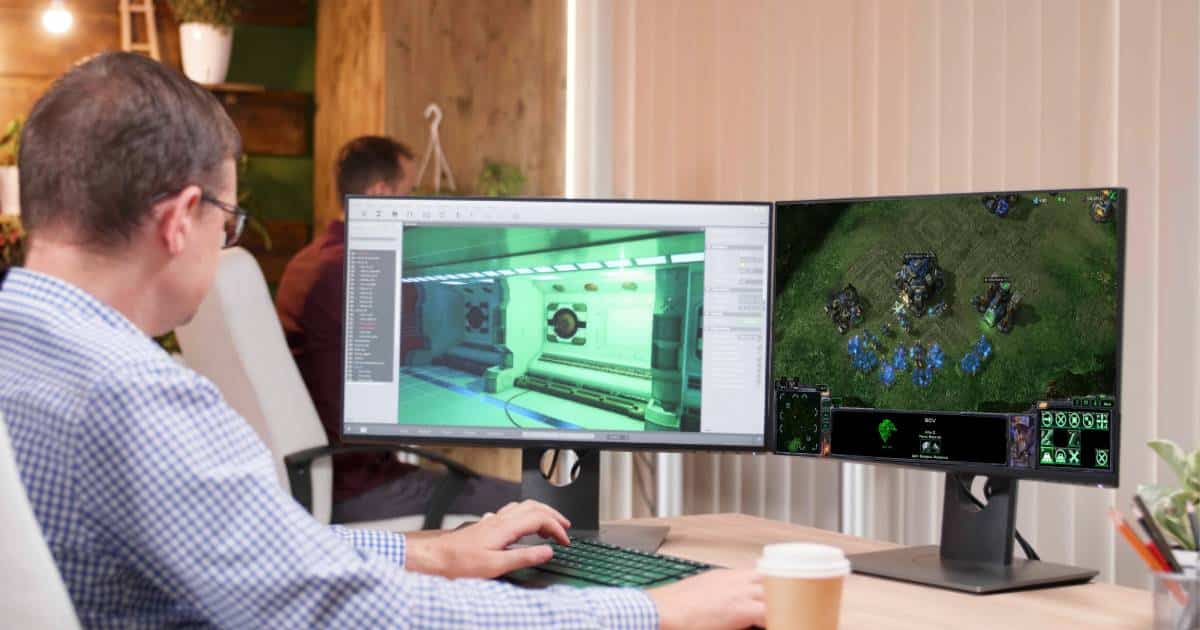
Those who have never played may not understand, but the dynamics of games like Starcraft encourage an analytical and strategic outlook that can be carried beyond the game, into other situations in life, such as work and even business. Keep reading to understand how the gamer method makes sense in this context, even for those who are not familiar with this universe.
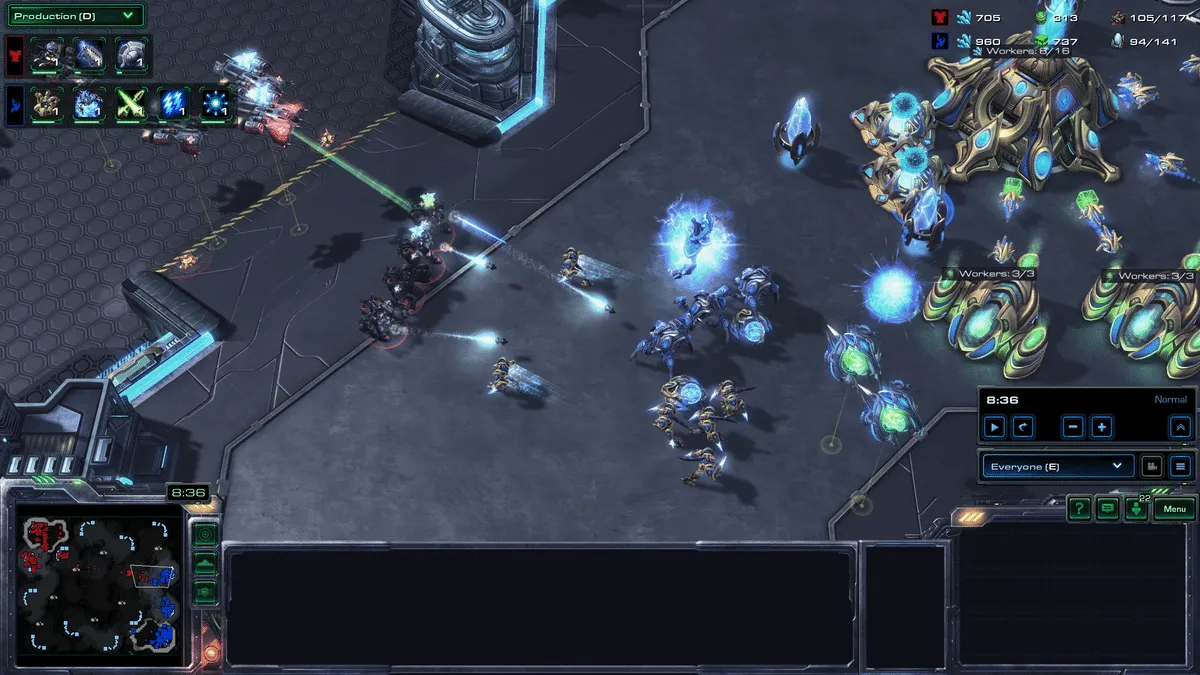
Starcraft is an RTS (Real Time Strategy) game, that is, a game without clearly defined stages, in which resources (one of them being time itself) are used to establish a base and fight your opponent, all strategically, thinking through the possibilities of achieving that goal.
In Starcraft, you need to gather the available resources in order to build more units, either for more efficient resource gathering or to build a more robust army. This way, decisions must be made all the time, and there are different game strategies that can be studied and refined, even considering the type of character chosen and which character the opponent has.
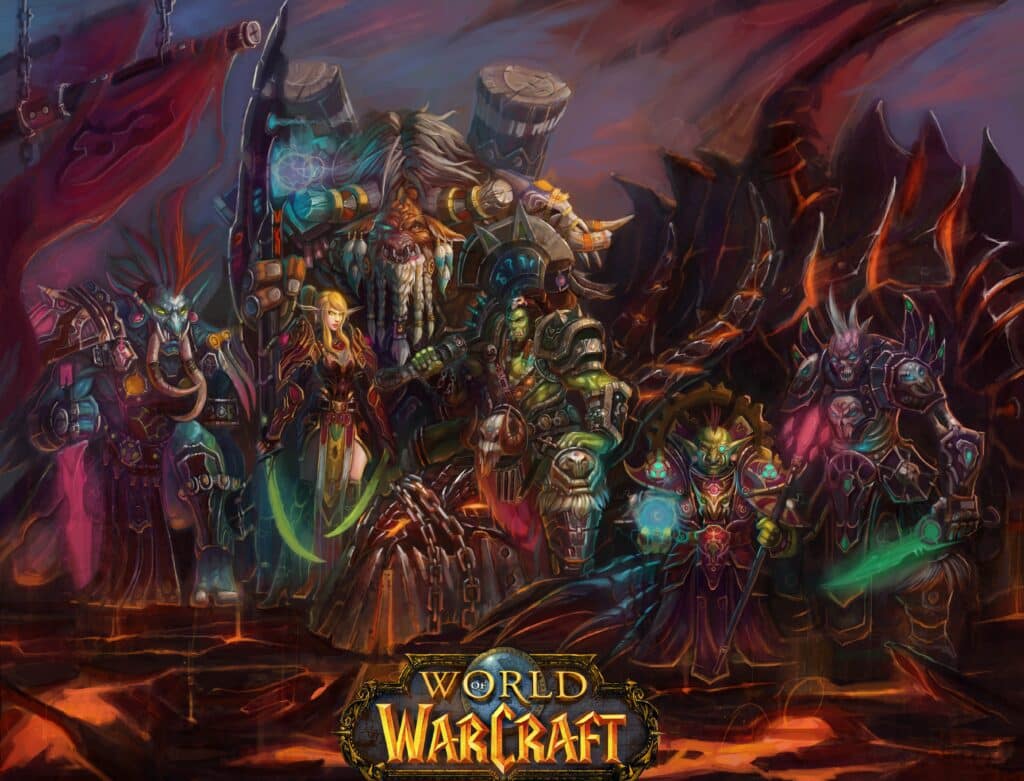
World of Warcraft is another one of the most popular games in the RTS category.
Source: wallup.net
But how can all this be applied to a business logic? Here on the blog, you will find several articles based on the applicability of gamer logic in other areas of life besides pure entertainment. This time, we chose Starcraft because of its affinity with a billion-dollar enterprise: Shopify.
The company may not be that popular in Brazil (yet), but its achievements are remarkable, mainly for having noticed an important market need and for its commitment to offering a solution capable of solving what was previously a problem for many entrepreneurs.
Shopify creates software and website solutions for entrepreneurs, focused above all on entrepreneurs who are just starting out and do not have the resources to build everything they need from scratch.
Shopify’s CEO, Tobi Lutke, is a big gaming enthusiast, especially of Starcraft. Tobi even says he learned more about business from the game than from books dedicated to the subject.
3 lessons that can be identified in Starcraft
1 – You need to ask questions all the time
Understanding the concept of Real-Time Strategy (or RTS), you can see that Starcraft demands a constant state of alertness to events and to the opponent’s actions and reactions.
The same happens in business: you need to pay constant attention to market indicators, to how customers react, and to improvements that can be made. It is then necessary to ask questions about your surroundings and try to answer them, reacting as the answers emerge.
And, drawing a more direct parallel with the example of Shopify, the company was founded to try to answer a question from Tobi Lutke himself, in his search at the time to create an online store for snowboard equipment. Tobi wondered why it was so hard to start an online business.
Studying ways to make this easier, researching, and also observing that this was a need for other people, ended up culminating in the creation of Shopify.
2 – Don’t stop at the first answer
As briefly explored in the previous point, the movement of asking questions and trying to solve them must be a constant task.
So an initial answer can be an incredible starting point, but failing to continue observing and reacting will easily put a business at a disadvantage, out of date.
In Starcraft, an opening move can be very successful, but that alone is not enough to win the match; tactical analysis is constant and contextual.
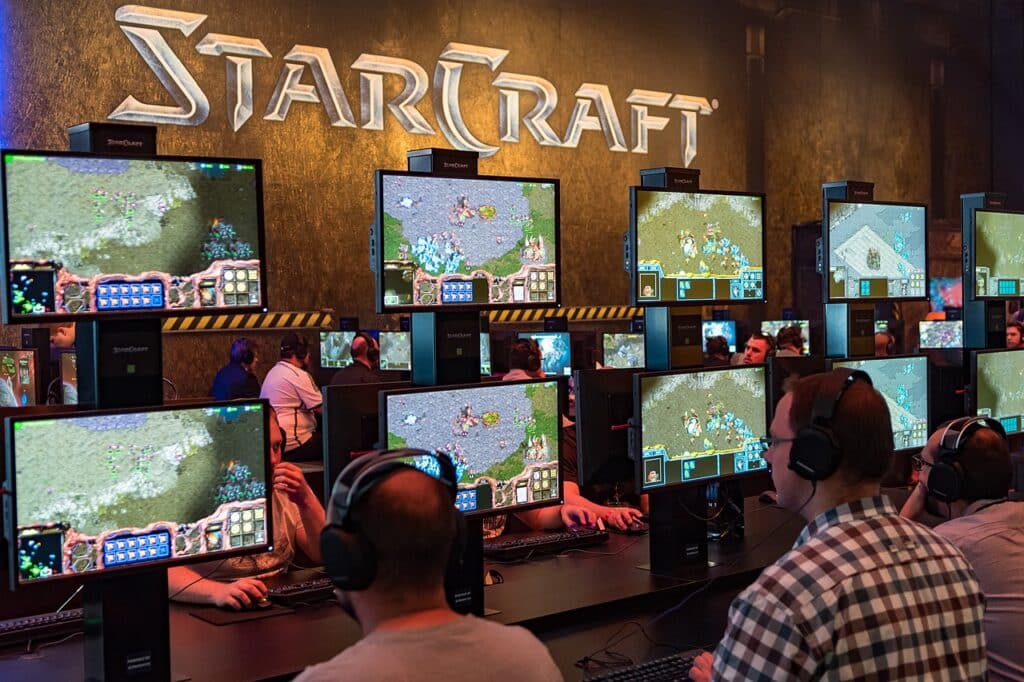
Starcraft Gamescom 2017. Source: dronepicr.
3 – Sometimes, the best alternative is to go against the grain
This lesson has to do with the pursuit of innovation. If, for example, all the players in the market are already focusing on one specific solution, aimed at one specific slice of the market, why not look at the needs of other groups?
Using creativity, it is possible to “attack” on fronts that are not yet so explored, and get surprising results.
The Gamer Method in everyday practice
These are just a few of the possible parallels between real-time games (especially Starcraft) and business strategies.
In everyday practice, there is still much more to explore and learn, especially when it comes to soft skills related to agility, analytical ability, and decision-making, traits that make what we learn from games very valuable when also used in other areas of life and work.
Featured image: Adrian Holm.