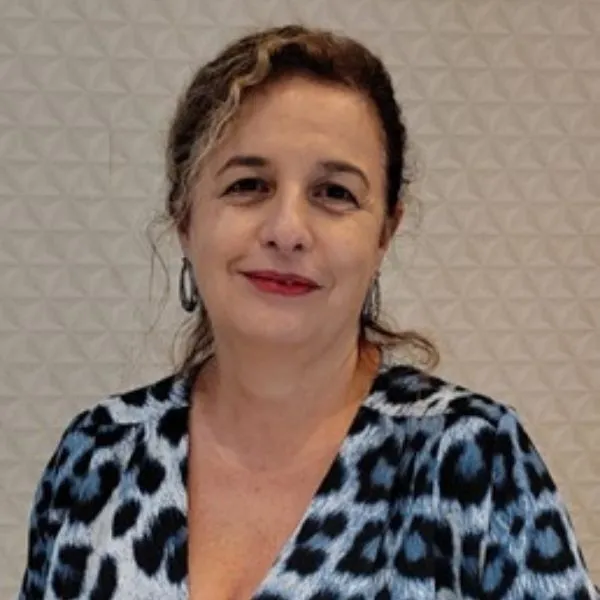
On November 10 and 11, Prof. Dr. Thais Adriana do Carmo, Coordinator of the FAPUGA Undergraduate Programs, took part in the XXI São Paulo Pharmaceutical Congress / XII International Seminar on Pharmaceutical Sciences, an event organized by the Regional Pharmacy Council of the State of São Paulo.
This year, the theme of the Congress and the International Symposium was: The market is transforming and the best professionals are reinventing themselves, covering areas related to the pharmacy profession and public health: clinical analyses, integrative and complementary health practices, the pharmaceutical market, compounding and hospital pharmacy, the pharmacist in Aesthetic Health, among others.
Prof. Thais has taken part in other editions of the event, and this year she was one of the Congress’s scientific reviewers, presented a scientific paper, and was a speaker at two panels.
“It is very good to take part in this event, which has prompted important reflections on the pharmaceutical market and on the challenges and directions of the pharmacy profession in Brazil. And it is very rewarding to take part as a speaker and to contribute as a reviewer of the scientific papers. I feel part of the history of the profession’s evolution,” she says.
Dr. Thais do Carmo’s Participation in the Pharmaceutical Congress
At this edition of the Pharmaceutical Congress, the professor presented the scientific paper: Scientific evidence on the action of topical metformin.
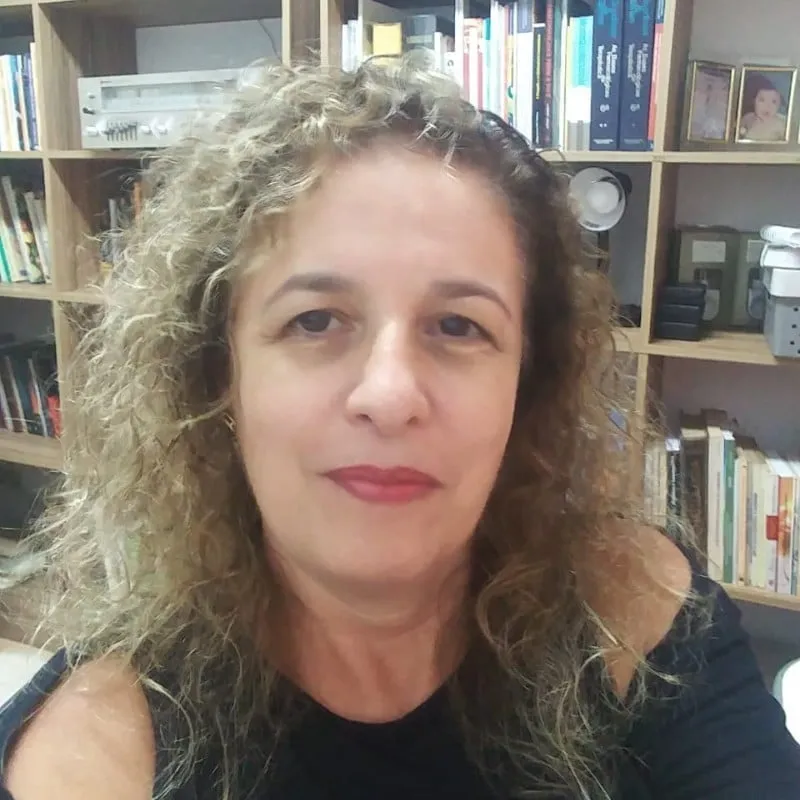
“This paper was the result of an undergraduate research project begun in 2020. Since I work in Clinical Pharmacy and Pharmaceutical Care, I am always attentive to medical prescriptions and to how medications are used. And a student showed me a prescription from a physician indicating the use of topical metformin for blood glucose control. Since I had never seen anything like it, I decided to carry out a systematic review. And, in fact, we found no evidence supporting the use of this form. This is very important, especially in this era of fake news that we are living through.”
As a speaker at the two round tables of the Pharmaceutical Congress, the subjects were Osmology, Essential Oils, and Aromatherapy. At the table of the II Essential Oils Symposium, she again addressed the topic of Scientific Evidence, but this time to support the practice of Aromatherapy.
“It is very important that prescribers base their therapeutic decisions on scientific knowledge. To do so, they need to know how to look for reliable and trustworthy information.”
At the Pharmaceutical Congress round table on the “Medicinal use of essential oils,” the professor addressed the concept and application of essential oils, stressing the importance of legal regulation for their therapeutic use. She also presented the work carried out by the CRFSP Osmology Technical Working Group, of which she is deputy coordinator.
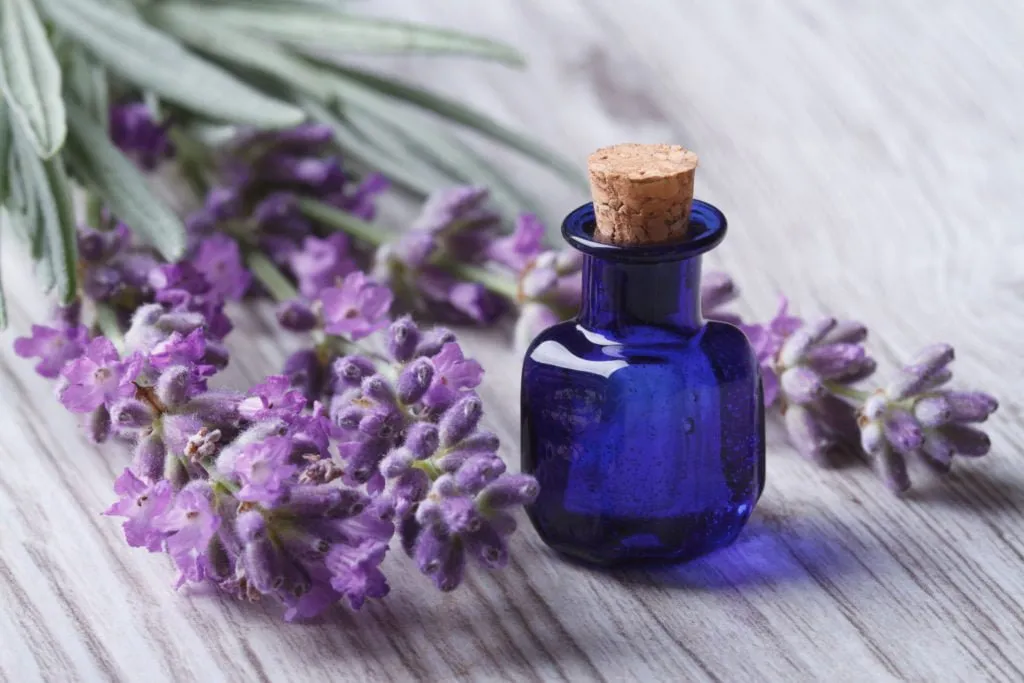
lavender oil in a glass bottle on a background of fresh flowers. Horizontal close-up
“More and more people are seeking integrative and complementary practices to take care of their health, including Aromatherapy. And it is up to us, health professionals, to take the necessary precautions and to guide the public on the correct use and the possible risks that may arise from such practices,” she concludes.